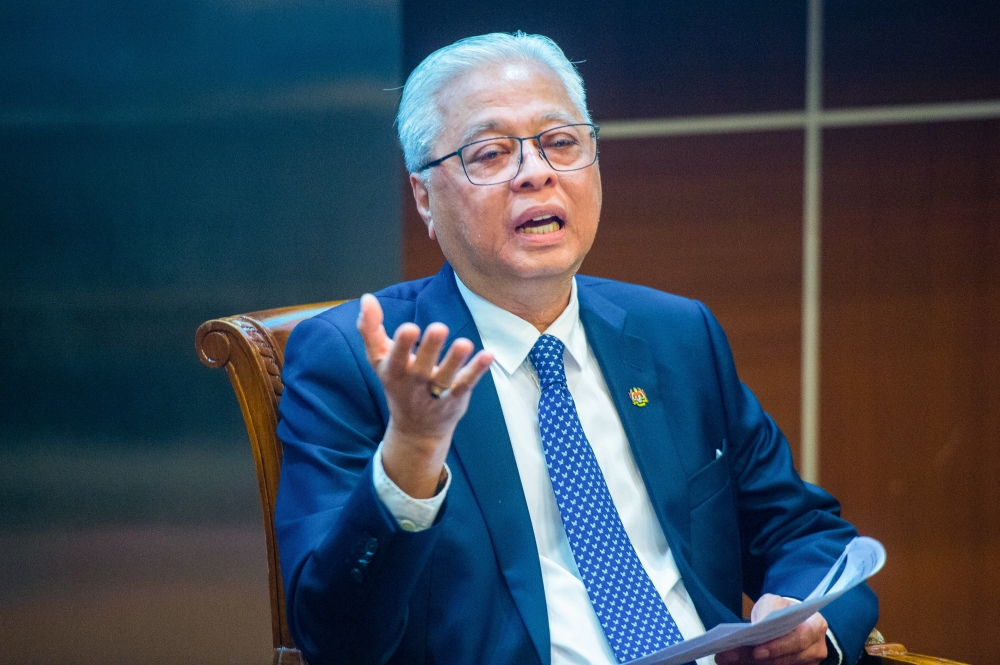
Former Prime Minister Datuk Seri Ismail Sabri Yaakob has recovered well following a surgical procedure to implant a pacemaker at Institut Jantung Negara (IJN) in Kuala Lumpur, with medical staff confirming his condition remains stable after the intervention.
The cardiac device, which helps regulate abnormal heart rhythms, was successfully fitted as part of his ongoing heart care management. IJN, Malaysia's premier cardiac speciality hospital, conducted the procedure using standard surgical protocols for such interventions. The successful completion of this operation marks a significant step in addressing the former leader's cardiovascular health requirements.
For Malaysian political observers, the medical update provides clarity on the wellbeing of one of the nation's recent political figures. Ismail Sabri served as Prime Minister during a turbulent period in Malaysian politics, taking office in August 2021 following Tan Sri Muhyiddin Yassin's resignation. His tenure lasted until August 2022, when Datuk Seri Anwar Ibrahim assumed the premiership. The former PM has since remained an active figure within the United Malays National Organisation (UMNO) and continues parliamentary duties as a Member of Dewan Rakyat.
The implantation of a pacemaker represents a common but significant intervention for individuals experiencing cardiac arrhythmias or heart conduction disorders. These battery-powered devices monitor heart rhythm and deliver electrical impulses when necessary to maintain proper heart function. While such procedures are routine in developed healthcare settings, they underscore the importance of regular cardiac monitoring and early intervention in managing heart conditions.
IJN's expertise in handling complex cardiac cases has positioned it as a regional centre of excellence for cardiac care. The hospital routinely performs hundreds of such procedures annually, with success rates comparable to international standards. The fact that Ismail Sabri received treatment at this facility reflects both the quality of Malaysia's healthcare infrastructure and the established protocols for managing high-profile patients requiring specialised medical attention.
The stable condition reported following surgery suggests the procedure encountered no unexpected complications. Medical recovery typically progresses smoothly in the days following pacemaker implantation when performed without incident. Patients are generally advised to avoid strenuous activity during the healing phase, though most individuals return to their normal routines within weeks. For a former head of government, such health developments naturally attract public attention given the visible role such figures maintain in civic and political discourse.
From a broader healthcare perspective, the successful management of Ismail Sabri's cardiac condition demonstrates Malaysia's capacity to deliver advanced medical interventions domestically. This capability reduces the need for prominent citizens to seek treatment abroad, while also showcasing the training and qualifications of local cardiac specialists. The availability of cutting-edge facilities within the country contributes to medical tourism and strengthens Malaysia's regional reputation for healthcare excellence.
The timing of such medical procedures often reflects careful coordination between patient needs and hospital schedules. For political figures, the discretion exercised in managing health matters contrasts sharply with the public nature of their official roles. While the former PM's condition warranted medical intervention, the scheduling and execution occurred with minimal disruption to public life, a testament to professional handling by both medical staff and his personal team.
Cardiovascular health management has become increasingly significant across Southeast Asia as populations age and lifestyle-related risk factors increase. Conditions requiring pacemaker implantation affect individuals across all demographics and socioeconomic backgrounds. The visibility of such procedures among prominent figures like Ismail Sabri can potentially raise awareness about cardiac health monitoring and the importance of seeking timely medical intervention when symptoms arise.
Moving forward, Ismail Sabri's recovery will likely proceed under the continued care of IJN's cardiologists, with regular follow-up appointments to ensure optimal pacemaker function. Modern devices are programmable and can be adjusted remotely, allowing for personalised treatment as his condition evolves. The former PM's medical trajectory will be of interest not only to his family and close associates but also to observers of Malaysian politics seeking updates on the wellbeing of senior political figures who continue contributing to the nation's governance and legislative processes.

