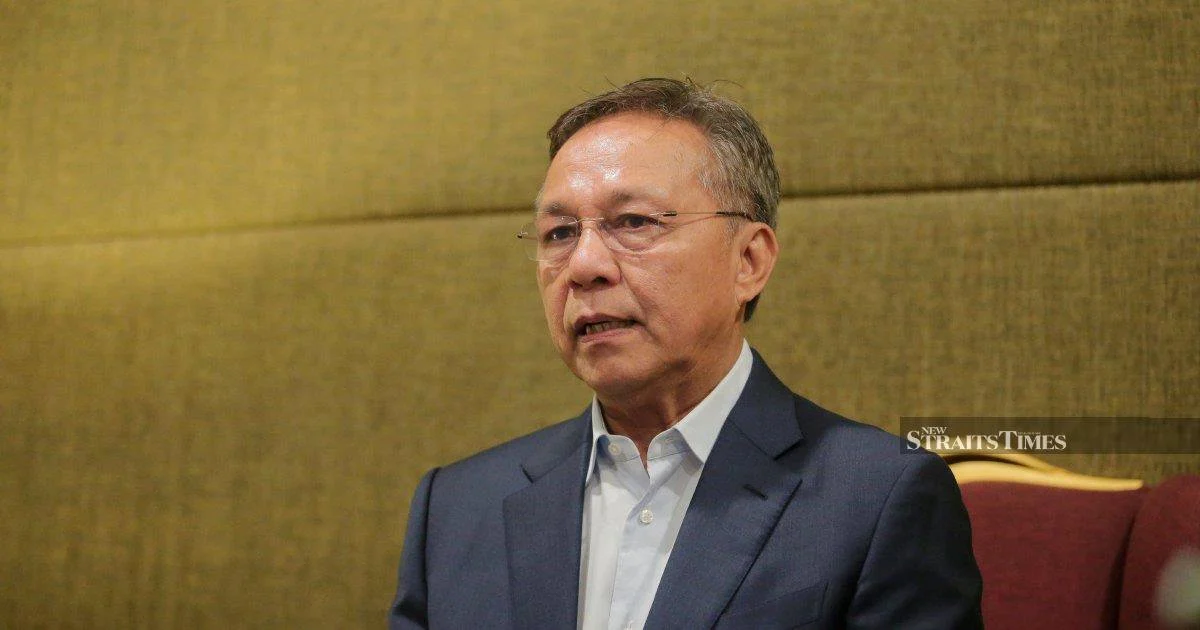
Datuk Seri Hasni Mohammad, who previously held the top executive position in Johor state government, has been removed from the Barisan Nasional candidate lineup contesting the upcoming state assembly elections, signalling a potential strategic repositioning of the veteran politician towards federal-level representation.
The exclusion of the former menteri besar from the slate of candidates seeking seats in the state legislature has triggered considerable discussion within political circles about his future political direction. Observers have begun to speculate whether Hasni might be preparing to contest a parliamentary constituency in the next general election rather than defending or seeking a state assembly seat.
The decision to drop Hasni from the state-level candidate list represents a notable shift in the political fortunes of someone who once occupied one of the most powerful positions within Johor's executive hierarchy. Such removals from electoral slates typically occur when there is a deliberate strategic recalibration, either because a party wishes to move a figure away from state-level competition or because the individual themselves is pursuing alternative political avenues.
In the Malaysian political system, state assembly seats and parliamentary seats represent distinct electoral battlegrounds with different constituencies and voter bases. While a politician might previously have held a state assembly seat alongside parliamentary representation—a common arrangement in Malaysian politics—parties often require candidates to make choices about which contest they will prioritise, particularly when electoral momentum and resources need concentration.
The timing of Hasni's removal from the Johor BN slate comes as political parties across Malaysia prepare for the next general election cycle. Johor has historically been a significant political battleground, and the state election presents an opportunity for Barisan Nasional to strengthen its position in a key state. The decision to exclude Hasni from state candidacy suggests that Johor BN's leadership may believe his strengths and experience would be better deployed at the parliamentary level.
For Hasni personally, a transition from state politics to parliamentary representation would represent a natural progression rather than a political retreat. Many Malaysian politicians, especially those with substantial administrative experience as menteri besar or chief minister, subsequently focus their energies on federal parliament where they can influence national policymaking and potentially take on ministerial portfolios at the federal level.
The former Johor chief minister's political profile and track record qualify him as a potentially strong parliamentary candidate. His experience in steering state government affairs provides substantial credentials for representing a constituency and engaging with federal legislative matters, areas where his expertise in administration and governance could prove valuable to both his party and his constituents.
The exclusion also raises questions about potential parliamentary constituencies where Hasni might contest. Parliamentary boundaries in Johor remain subject to ongoing discussions about electoral redistribution, and the party may be considering optimal constituency alignments that would maximise electoral prospects. The decision to shift his focus away from state assembly elections suggests careful planning regarding where his candidacy would be positioned in the broader electoral strategy.
From Barisan Nasional's perspective, the restructuring of candidate slates reflects the coalition's ongoing efforts to optimise its electoral positioning across both state and federal levels. The party must balance the retention of experienced politicians with the necessity of introducing fresh candidates and managing internal competition within its component parties, particularly in states like Johor where multiple parties hold seats and have stakes in candidate selection.
The political implications of Hasni's removal extend beyond his individual prospects. It signals to the broader political community in Johor that established figures may be redeployed according to strategic calculations at the highest levels of party leadership. Such decisions can influence morale within the party organisation and affect the willingness of other politicians to commit themselves to particular electoral contests.
Regionally, developments in Johor politics warrant close observation given the state's significance within the broader Malaysian political landscape. Johor's electoral outcomes have historically carried implications for federal power dynamics, and changes in candidate positioning at this level can presage broader shifts in political strategy and emphasis heading into the general election cycle.
The speculation surrounding Hasni's potential parliamentary candidacy will likely persist until formal candidate announcements are made for the next general election. The former menteri besar's removal from the state election slate, however, appears to represent a deliberate decision to concentrate his political energies at the federal level, positioning him for a potential role in national parliament and the politics that will dominate Malaysian governance in the years ahead.