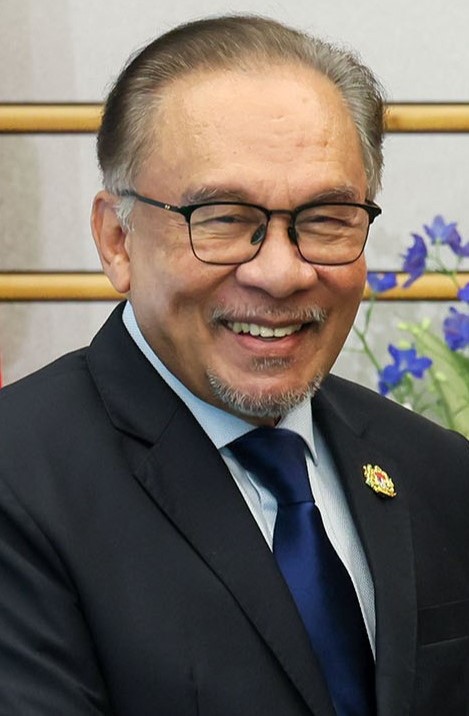
Johor Barisan Nasional chairman Onn Hafiz Ghazi will seek re-election in the Machap constituency as the ruling coalition prepares for state polls that are expected to reshape the political landscape in Malaysia's southernmost mainland state. The decision underscores BN's strategy to leverage experienced party figures and prominent ministerial veterans to consolidate support in key constituencies.
Ghazi's candidacy carries particular significance given his recent reconciliation with Umno, the dominant component of the Barisan Nasional coalition. His background in federal health administration brings established credentials that BN hopes will resonate with voters concerned about healthcare delivery, pandemic management legacies, and social services—issues that have gained prominence in post-COVID political discourse across Malaysia.
The Machap seat represents a crucial battleground in Johor's electoral arithmetic. As BN chairman at the state level, Ghazi's personal performance in his constituency will carry symbolic weight for the broader coalition campaign. His position requires him to model the electoral competitiveness that BN candidates must demonstrate across the state to justify the coalition's continued governance claims.
Ghazi's return to Umno after a period outside the party reflects broader realignments within Malaysia's political establishment. These movements signal attempts by traditional powerbrokers to rebuild fractured party structures and consolidate support bases that have become fragmented through defections and leadership disputes. His rejoining the party demonstrates confidence that Umno's organisational machinery remains viable in securing electoral mandates despite past controversies.
The forthcoming Johor election will test whether BN can maintain its historic dominance in a state where it has governed continuously since independence. Johor serves as an essential revenue generator for federal government finances through petroleum royalties and port operations, making its political control strategically valuable. BN's performance here carries implications for the federal government's stability and resource access.
As a former health minister, Ghazi brings direct experience managing pandemic response protocols, healthcare system reforms, and public health crises—all issues that remain prominent in voter consciousness. His track record in these portfolios can be presented as evidence of executive competence, though rivals may scrutinise his tenure for policy shortcomings or controversial decisions made during his ministerial period.
The contest for Machap will likely centre on local development priorities, constituency service delivery, and perceptions of whether current governance has adequately addressed residents' needs. Both BN and opposition parties traditionally focus campaigns on concrete matters like road conditions, school infrastructure, healthcare facility availability, and business support mechanisms—bread-and-butter concerns that dominate constituent communication.
Ghazi's high-profile role as state BN chairman means his electoral fortunes will be closely watched as a barometer of coalition strength. A commanding victory would boost morale across BN's broader Johor machinery, while a narrow win or unexpected setback could trigger reconsideration of campaign strategies and candidate selections elsewhere in the state. The race effectively functions as a test case for BN's operational capacity.
Umno's success in retaining significant representation in Johor represents a crucial element of its national political rehabilitation following previous electoral setbacks and internal governance crises. The party has invested considerable effort into organisational rebuilding, and Johor remains its strongest territorial base. Strong performances here strengthen arguments that Umno retains sufficient grassroots support to warrant continued partnership at federal level.
Opposition parties, meanwhile, will view Machap as an opportunity to chip away at BN's traditional strongholds. The opposition's performance in Johor—particularly in constituencies like Machap—will signal whether anti-BN sentiment has taken sufficient root in the state to challenge the coalition's dominance. Close contests may emerge in constituencies where rural-urban demographic shifts have altered voter compositions and preferences.
The election will unfold amid broader Malaysian discussions about governance quality, anti-corruption measures, and institutional accountability. Voters are increasingly scrutinising candidates' track records in public office, demanding evidence of achievement and results. Former ministers seeking re-election must demonstrate that their previous government roles yielded tangible benefits for their constituencies, not merely occupying positions of authority.
Machap's electoral dynamics reflect Johor's character as a state balancing traditional agricultural and fishing communities with emerging urban centres and industrial zones. Candidates must address both development aspirations of growing towns and preservation concerns of rural constituencies. Ghazi's challenge involves fashioning a message that encompasses this diversity while maintaining BN's coalition coherence across competing demographic interests.
The Johor election ultimately represents a crucial moment for assessing whether Malaysia's traditional power structures can adapt to evolving voter expectations and changing political alignments. Ghazi's contest in Machap exemplifies how veteran politicians are positioning themselves within these shifting configurations, betting that ministerial experience and established networks remain assets in contemporary electoral competition.