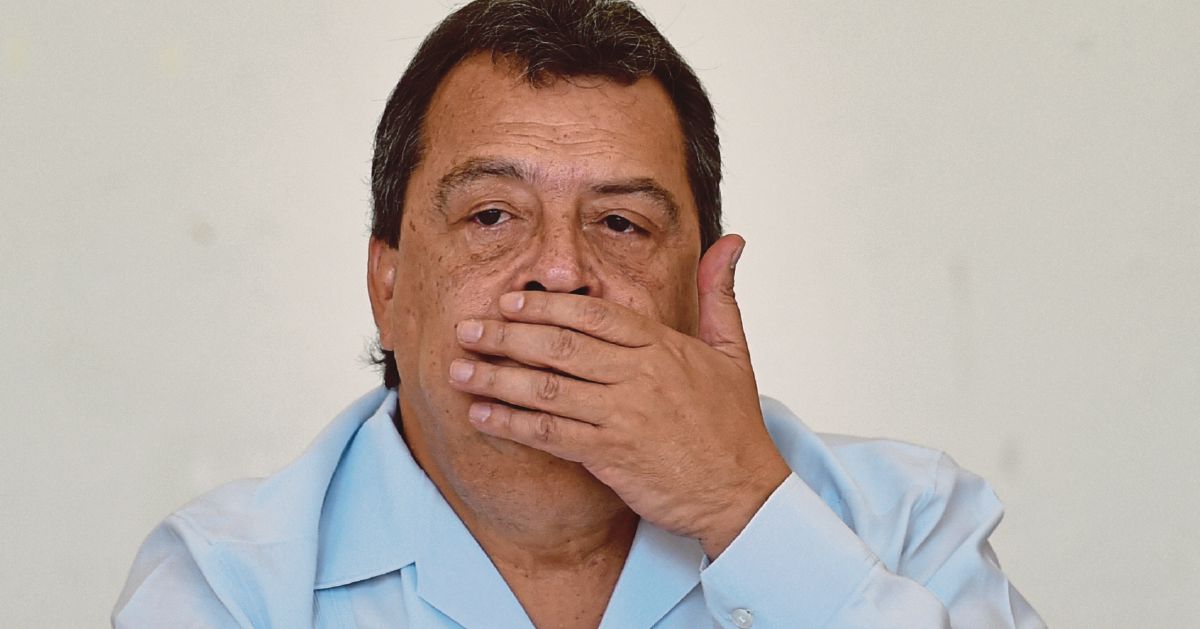
The former governor of Guerrero, a southern Mexican state, faces detention following allegations that he orchestrated the destruction of evidence pertinent to the 2014 vanishing of 43 students. Authorities announced the arrest on Thursday, marking a significant development in a case that has drawn international scrutiny and renewed debate about institutional accountability within Mexico's governance structures.
The 2014 incident in Guerrero has remained one of Mexico's most emblematic cases of institutional failure. The disappearance of the students thrust the state into the spotlight, generating widespread outcry from human rights organisations, international observers, and families of the missing. The case symbolises broader concerns about law enforcement's capacity to prevent crimes and government transparency in responding to mass disappearances across the country.
Investigators determined that the former governor purportedly instructed subordinates to eliminate or conceal documentation that could have clarified what happened to the 43 students. Such evidence destruction allegations represent a particularly serious dimension of the case, as they suggest deliberate obstruction beyond the initial disappearance. The destruction of records undermines the investigative process and denies families crucial information about their relatives' fates.
Mexico's legal system has faced substantial criticism for slow-moving justice mechanisms in high-profile cases. Years frequently elapse between alleged crimes and meaningful prosecutorial action, partly due to institutional bottlenecks and competing priorities within the justice apparatus. The current arrest reflects efforts by authorities to pursue accountability even years after the original incident, though observers note that extended delays complicate investigations and evidence preservation.
For Southeast Asian readers, this case illustrates challenges confronting many developing nations regarding institutional transparency and official accountability. Mexico's experience mirrors concerns voiced across the region about government bodies concealing information and evading scrutiny. The willingness of authorities to investigate former state officials, though tardy, suggests that mechanisms for oversight—however imperfect—can eventually function when political conditions permit.
The implications for Mexico extend beyond the immediate case. Successful prosecution would signal that former high-ranking officials cannot rely on their previous positions to shield them from investigation. Such outcomes potentially encourage compliance with legal processes and transparency expectations among sitting officials, though sceptics note that political considerations frequently influence enforcement patterns.
Families of the 43 missing students have maintained international campaigns demanding answers and justice. Their persistence has kept pressure on Mexican authorities to pursue investigation leads that might otherwise fade from political attention. The arrest acknowledges the legitimacy of these demands while simultaneously underscoring how long institutions have required to respond adequately to the initial crisis.
Mexico's broader context of disappearances compounds the significance of this case. Thousands of individuals have vanished under unclear circumstances throughout the country, many cases receiving minimal official attention. When authorities do investigate disappearances involving former officials, the cases acquire particular resonance as potential turning points in institutional practices.
International human rights monitors have documented Mexico's inconsistent record in investigating official misconduct. Progress in high-profile cases coexists with impunity in numerous other situations, creating an uneven landscape where accountability depends partly on victim visibility and sustained external pressure. The 43 students case benefited from extensive media coverage and coordinated advocacy, advantages unavailable to many disappeared persons.
The arrest reflects evolving Mexican approaches to official malfeasance, though observers note that prosecutions represent only initial steps. Conviction rates for high-level officials accused of crimes remain relatively modest, and legal processes can extend over many years. Families and advocates recognise that detention does not guarantee justice in conventional terms, particularly when cases involve complex institutional conspiracies.
Governance failures evident in the 2014 disappearance extended across multiple institutional levels. Officers, state officials, and potentially federal agencies apparently coordinated in ways that facilitated the disappearance and subsequent concealment of evidence. Addressing such systemic failures requires more than individual prosecutions; structural reforms to police culture, transparency standards, and institutional oversight demonstrate particular urgency.
The case's trajectory offers lessons for other nations confronting disappearances and official misconduct. Institutional investigations, when pursued persistently despite political obstacles, can sometimes yield consequences for former officials. Nevertheless, successful outcomes remain exceptional rather than routine, highlighting the exceptional resources and sustained attention required to challenge entrenched patterns of impunity.
Moving forward, the former governor's case will test Mexican judicial capacity to handle complex prosecutions involving institutional actors. The outcome may influence how prosecutors approach other suspected official misconduct cases, potentially encouraging or discouraging similar investigations. For families of the 43 missing students, the arrest represents an acknowledgment of institutional wrongdoing, though achieving clarity about their relatives' exact fates remains an ongoing struggle.

