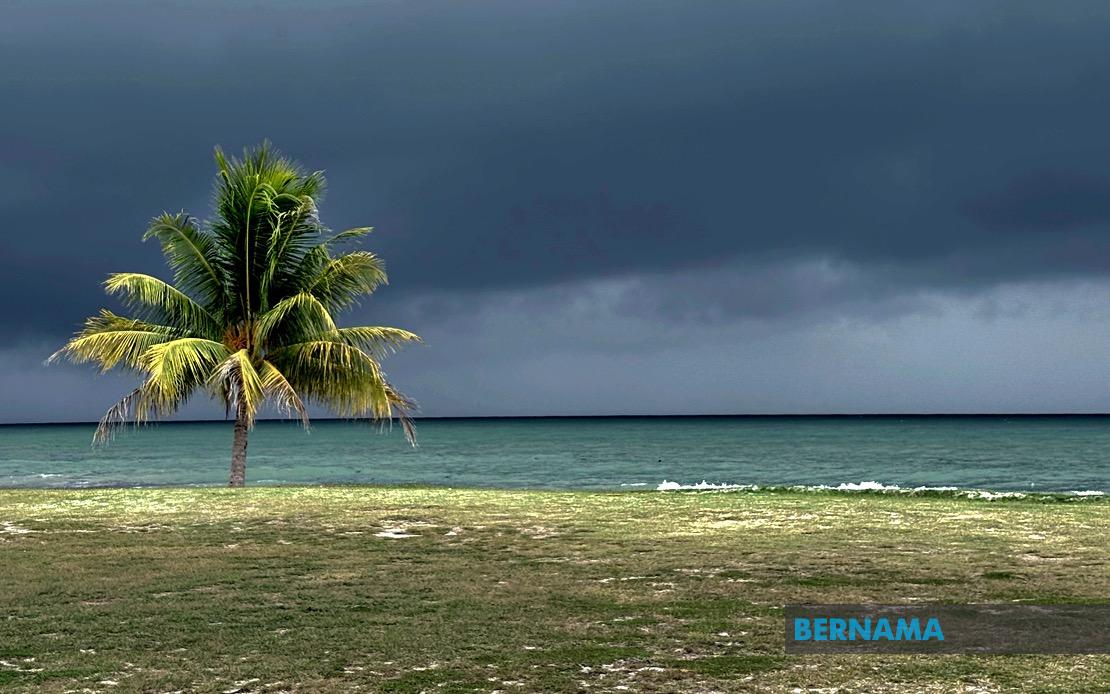
The Malaysian Meteorological Department has put five states on alert for hazardous weather conditions expected to persist until 11 pm today, with thunderstorms, heavy rainfall, and strong winds posing risks to communities and infrastructure across the country. The warning underscores the volatile atmospheric conditions affecting large swathes of Peninsular Malaysia as well as the eastern Malaysian states of Sarawak and Sabah, where residents are advised to exercise caution and remain indoors where possible.
On the peninsula's east coast, Kelantan faces the most extensive threat, with four districts identified as vulnerable: Kota Bharu, the state capital and commercial hub; Bachok, a densely populated coastal district; Machang, a rural inland area; and Pasir Puteh, a smaller district in the north. The concentration of warnings across Kelantan reflects the state's exposure to monsoonal and inter-monsoon weather patterns that frequently bring severe convective activity to this region. Terengganu has also been placed under alert, specifically the Kemaman district, which encompasses both urban and industrial zones that could face disruption if flooding or wind damage occurs.
Pahang, Malaysia's largest state by area, faces warnings affecting four significant localities. Jerantut and Temerloh are important towns in the central and northern regions, serving as transport hubs and commercial centres. Maran, a smaller district in the same vicinity, is also affected, as is Kuantan, the state capital and a major economic centre on the coast. The breadth of the warning across Pahang suggests meteorological systems are developing across a wide geographic zone, potentially indicating the formation of an organized weather system rather than isolated convective cells.
The severity of conditions expected in these areas means authorities are preparing for potential impacts on daily operations. Heavy rainfall can lead to localized flooding in low-lying areas, while thunderstorms bring lightning hazards and the possibility of sudden wind gusts that could topple trees, damage structures, and disrupt power supplies. Strong winds accompanying such systems can also affect maritime activities and pose risks to transport networks.
In East Malaysia, authorities have extended similar warnings to protect populations in Sarawak and Sabah. In Sarawak, the Limbang Division—which encompasses Lawas and other settlements in the state's northernmost region—faces the alert, positioning it as a boundary zone for adverse weather moving across the Sulu and Sulawesi Seas. This area's remoteness and challenging terrain can complicate emergency response efforts if severe impacts occur. Sabah, spanning three distinct geographic regions, has received more granular warnings reflecting its diverse topography and population distribution.
Sabah's Interior Division, encompassing Nabawan and Keningau, sits inland and is vulnerable to orographic effects where moisture-laden winds forced over elevated terrain intensify precipitation. The state's West Coast Division, covering Ranau and other areas near Mount Kinabalu, is similarly susceptible to enhanced rainfall due to mountain effects. Sandakan Division on the east coast, comprising Tongod, Telupid, Beluran, and Sandakan town itself, fronts the Celebes Sea and frequently experiences the full force of tropical weather systems approaching from the northeast and east.
The issuance of this alert by MetMalaysia, the country's primary weather forecasting agency, carries significant weight in Malaysia's disaster preparedness framework. The 11 pm deadline provides a clear temporal boundary for residents and authorities to complete preparations, secure loose objects, reinforce structures if necessary, and ensure families remain in safe locations. Given that thunderstorms often develop rapidly in tropical regions, the relatively tight timeframe emphasizes the imminent nature of the threat.
For Malaysian readers, particularly those in the affected states, the practical implications are substantial. Commuters should anticipate delays or disruptions to public transport. Outdoor activities, recreational events, and construction work should be suspended or relocated indoors. Agricultural workers, especially in rural Kelantan, Terengganu, and Pahang, should move livestock to sheltered areas and secure equipment. Fishermen and maritime operators in coastal districts should avoid venturing to sea during the warning period.
The geographical scope of this warning—spanning the economically important east-coast region of Peninsular Malaysia alongside two major East Malaysian states—reflects the complexity of tropical weather systems that can affect multiple jurisdictions simultaneously. Such multi-state alerts are common during inter-monsoon periods, typically April-May and September-October, though thunderstorms and heavy rain can occur year-round in Malaysia's equatorial and tropical climate. The timing of this particular warning, in late June, suggests conditions linked to the Southwest Monsoon transition or residual moisture patterns from preceding weather systems.
Residents in these five states are urged to monitor official weather updates, prepare emergency supplies, and stay informed through local authorities and media channels. While the specific duration until 11 pm provides a defined end-point to the alert, weather conditions can shift rapidly, and authorities may issue updates or extensions depending on actual atmospheric developments. Staying vigilant and prepared remains essential for mitigating risks from severe weather in Malaysia's tropical environment.

