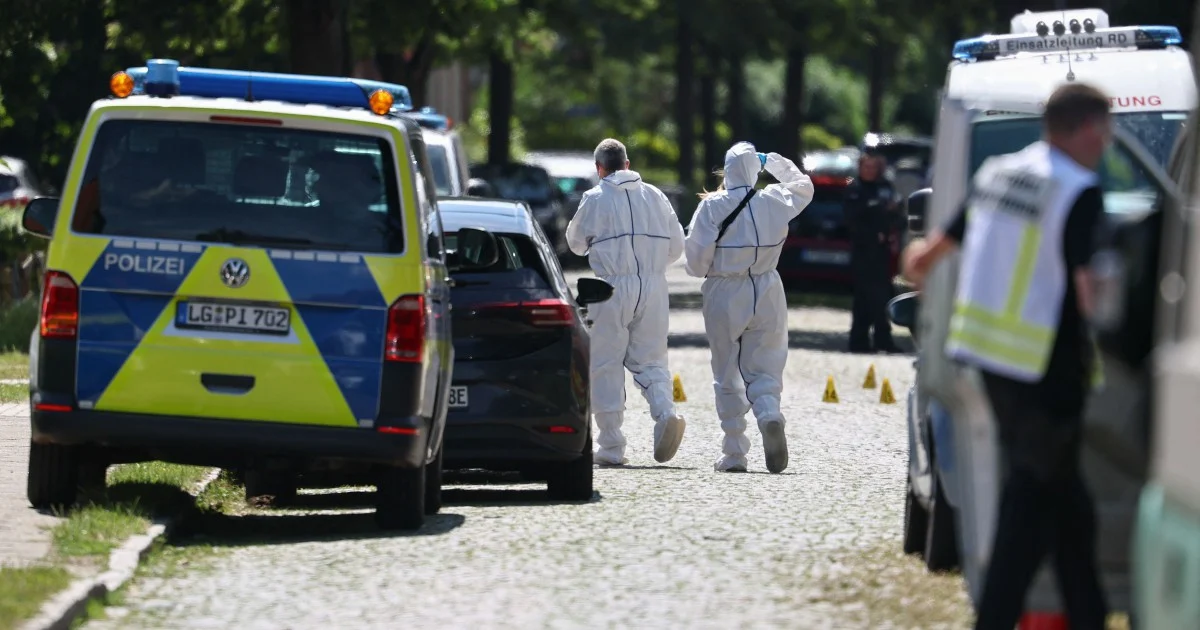
A shooting at a youth welfare centre in Stade, Germany on Monday has claimed five lives, with authorities confirming the arrest of a suspect in what represents one of the nation's deadliest mass shooting incidents in recent memory. The incident underscores persistent security concerns surrounding public facilities across Europe, even in countries with comparatively stringent firearms regulations.
The Stade facility, which serves as a hub for youth welfare services and support programmes, became the scene of a violent incident that shocked both local residents and the broader German community. Officials have moved swiftly to secure the facility and launch a comprehensive investigation into the circumstances that led to the tragedy. The rapid deployment of emergency services and the subsequent arrest of the suspect demonstrate coordinated law enforcement responses to critical incidents.
Germany, despite having among Europe's strictest gun control laws, has nonetheless witnessed several significant shooting incidents over the past decade and a half. The prevalence of such events, even in heavily regulated societies, raises important questions about the effectiveness of legislative measures alone in preventing motivated individuals from acquiring weapons and committing acts of violence. Mental health assessment, threat identification, and community awareness programmes have become increasingly important components of preventative security strategies.
The arrest of the suspected gunman will now lead to detailed police investigations aimed at understanding motivations, examining the suspect's background, and determining whether warning signs were missed. German law enforcement agencies have developed sophisticated protocols for handling such situations, and the swift apprehension suggests operational efficiency. However, the fact that the tragedy occurred at all highlights gaps that may exist in early intervention systems or monitoring mechanisms designed to identify individuals at risk of committing violent acts.
Youth welfare centres hold particular significance in European social systems, serving vulnerable populations including minors requiring support services, counselling, and assistance with social integration. That such a facility became the target of violence raises concerns about the safety of workers and beneficiaries in these settings. The attack may have lasting psychological impacts on survivors, families of victims, and staff members who work in similar facilities across Germany and neighbouring nations.
From a regional perspective, this incident resonates across Southeast Asia, where countries including Malaysia maintain their own youth welfare and social support infrastructure. While gun violence manifests differently across regions due to divergent firearm regulations and cultural contexts, the vulnerability of public institutions to determined attackers remains a universal challenge. Malaysian readers may find instructive lessons in how German authorities respond to such crises, particularly regarding community notification, trauma support, and institutional security enhancements.
The timing and location of the attack at a youth welfare centre suggests potential targeting, though investigators will need to establish whether the suspect had any prior connection to the facility or its personnel. Understanding the motivation behind such incidents—whether driven by personal grievance, ideological extremism, or mental health crisis—becomes crucial for developing targeted prevention strategies. German security analysts will examine whether existing threat assessment mechanisms functioned adequately or whether new protocols should be introduced.
Public institutions across Europe are increasingly implementing security measures that balance accessibility with safety, a tension particularly acute at welfare facilities that must remain open and welcoming to vulnerable populations. The challenge of providing adequate protection without creating fortress-like environments that discourage help-seeking behaviour represents an ongoing dilemma for administrators. This incident will likely prompt comprehensive security audits at similar facilities throughout Germany and potentially influence security standards across the European Union.
The arrest of the suspect brings some closure to the immediate crisis but initiates a lengthy legal process that will scrutinise the events leading to the tragedy. German courts, operating within the country's robust legal framework, will examine evidence and hear testimony that may illuminate how a motivated attacker bypassed security measures or failed to trigger prior intervention by authorities or mental health professionals. The judicial proceedings will be followed closely not only within Germany but across Europe and internationally, given the prominence of such incidents in contemporary public discourse.
For Malaysia and other Southeast Asian nations, this German tragedy serves as a reminder of the ongoing need to strengthen security at public facilities while maintaining their essential function as community resources. Investment in staff training, mental health support systems, and community awareness programmes—alongside appropriate physical security measures—represents a balanced approach to reducing risks. The incident underscores how wealthy, developed nations with comprehensive safety systems remain vulnerable to determined individuals, suggesting that no security framework can provide absolute protection against all potential threats.

