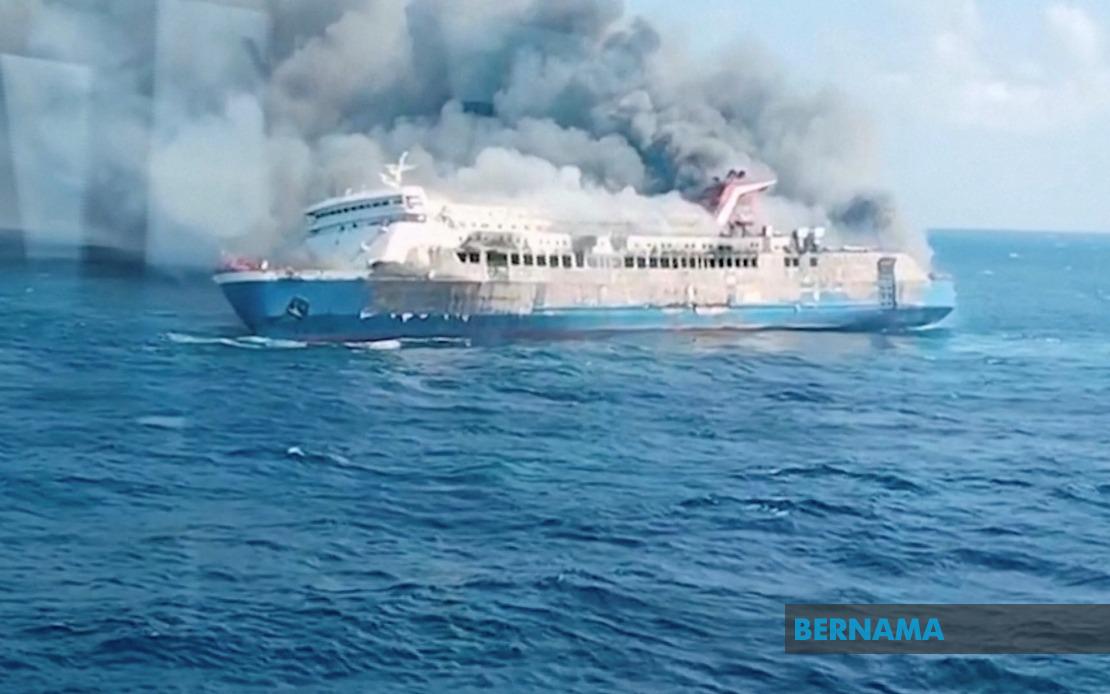
A major maritime disaster unfolded in Indonesian waters on Thursday when the passenger ferry KMP Mutiara Santosa 2 erupted in flames while transiting between Surabaya and Makassar. The incident, which occurred in the waters off northern Sumenep in Madura, has claimed at least five lives, with search and rescue teams continuing their desperate hunt for 41 passengers and crew members who remain unaccounted for following the catastrophic fire.
The ferry was operating at near-full capacity when disaster struck, carrying 232 passengers alongside a crew complement of 39 personnel. Authorities received their first distress reports at 8.24 am local time, prompting an immediate and coordinated emergency response. By 4 pm the same day, rescue operations had successfully extracted 225 survivors from the vessel, representing the majority of those aboard. However, the rapid scale of the evacuation underscores both the efficiency of response protocols and the severity of conditions that forced such hasty departures from the doomed vessel.
According to Nanang Sigit, Chief of the Surabaya Search and Rescue Office, the intensity of the fire devastated much of the ferry's structure with remarkable speed. Passengers sought refuge by congregating on the bridge and forward sections of the ship while awaiting rescue assistance. The concentration of survivors in specific areas of the vessel suggests that the fire's spread may have been directional or that certain compartments became untenable far more rapidly than others. Nanang's account paints a picture of panic and confusion aboard the burning vessel, with passengers forced to make immediate decisions about their survival.
The rescue operation benefited from the presence of nearby maritime traffic in these heavily-trafficked waters. Several passengers who made the desperate choice to abandon ship and jump into the sea were retrieved by vessels in the vicinity, highlighting the critical role played by merchant traffic and fishing boats in such emergencies. This aspect of maritime rescue operations remains underappreciated in public discourse, yet these civilian vessels frequently serve as the first line of defence in catastrophic incidents occurring far from dedicated rescue infrastructure.
The search and rescue effort has mobilised substantial resources across multiple governmental and maritime agencies, deploying numerous assets and personnel across the affected waters. The ongoing nature of these operations reflects the challenging conditions facing rescue teams, as the vastness of the ocean and adverse environmental factors complicate efforts to locate survivors in the water or trace the movements of those who may have drifted from the primary incident zone.
Investigations into the cause of the fire remain in their preliminary stages, with Indonesian authorities yet to release findings regarding how the blaze initiated or spread with such devastating rapidity. Understanding the root cause will be critical not only for addressing immediate accountability but for implementing preventive measures across the broader commercial ferry fleet serving Indonesia's extensive inter-island shipping networks. The nation relies heavily on maritime transport to connect its far-flung archipelago, making vessel safety standards a matter of significant public interest.
For Malaysian observers, this incident carries particular resonance given the shared maritime environment and comparable reliance on inter-island ferry services across Southeast Asia. The Strait of Malacca and surrounding waters see intense shipping traffic from Malaysian vessels, and the technical and operational vulnerabilities exposed by the KMP Mutiara Santosa 2 incident warrant close attention from Malaysia's maritime authorities. Equipment standards, crew training protocols, and emergency response procedures on vessels operating in regional waters merit review in light of this tragedy.
The scale of the missing persons suggests that recovery operations may extend for days or weeks, as searchers systematically comb surrounding waters and attempt to identify remains. The psychological toll on families of the missing, alongside the broader trauma experienced by survivors who witnessed the catastrophic event, presents challenges that extend beyond the immediate rescue phase into longer-term humanitarian and investigative domains.
This incident underscores persistent vulnerabilities in maritime transport safety across developing economies, where aging vessel fleets, variable maintenance standards, and sometimes inconsistent enforcement of international safety regulations create conditions conducive to tragedy. The contrast between the successful rescue of 225 people and the loss of five lives serves as a reminder that even partial success in maritime emergencies comes at considerable human cost when preventive measures fail.

