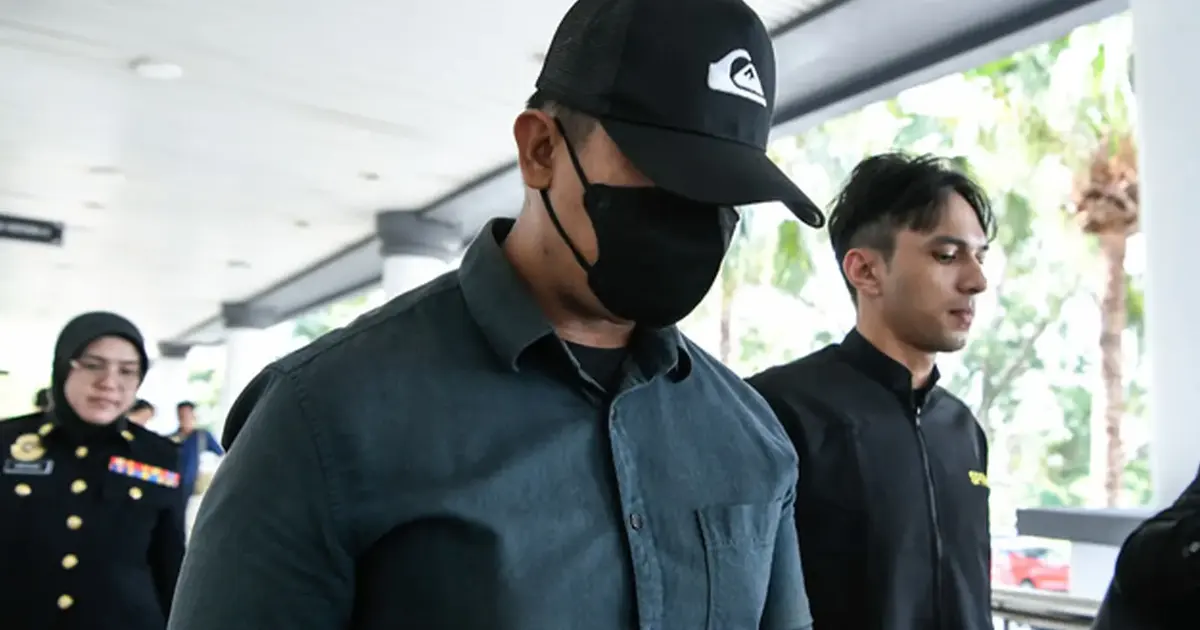
A superintendent with Malaysia's fire and rescue department faces corruption charges after allegedly pocketing RM11,500 in bribes to facilitate business licensing approvals, in what investigators describe as a scheme designed to circumvent standard regulatory procedures. Johari Bar Azwar is accused of accepting payments in exchange for issuing support letters—documents that businesses rely upon to obtain permits from the fire and rescue department, a gatekeeping authority whose certification is often mandatory for commercial operations.
The alleged misconduct occurred across two distinct periods. According to the charges, Johari accepted RM1,500 in 2024, followed by a substantially larger payment of RM10,000 during the preceding year. The timing of these transfers—separated by more than twelve months—suggests a pattern rather than an isolated lapse in judgment, raising questions about how systematically such arrangements may have operated. The accumulation of these sums illustrates how corruption at mid-management levels can extract meaningful resources from businesses while undermining the integrity of regulatory frameworks.
The case strikes at a critical vulnerability in Malaysia's administrative infrastructure. Business owners seeking to establish or expand commercial operations must navigate multiple approval stages, and certificates or support letters from government agencies like the fire and rescue department carry substantial weight. When officials in such positions exploit their authority by conditioning approval on informal payments, they effectively create a shadow tax on entrepreneurship whilst simultaneously introducing unpredictability into business planning. Companies cannot reliably calculate their true entry costs or project timelines when facing demands for illicit payments.
This particular allegation reflects broader concerns about corruption within regulatory bodies tasked with public safety oversight. The fire and rescue department's mandate encompasses building safety assessments, licensing approvals, and enforcement of fire safety codes—functions that directly impact public welfare. When superintendents responsible for executing these duties accept bribes, they compromise not only the legitimacy of their institution but potentially the quality of fire safety compliance itself. Businesses paying irregular fees to bypass scrutiny may have less incentive to meet actual safety standards, creating public risk.
For Malaysian businesses, especially small and medium enterprises, such corruption imposes asymmetric costs. Larger corporations with established networks and resources may navigate the system more effectively, while smaller operators face steeper barriers when forced into corrupt transactions. This dynamic distorts fair competition and incentivises cutting corners rather than compliance. The practice essentially creates a regressive tax on entrepreneurship, discouraging legitimate business formation in regulated sectors.
The charges against Johari Bar Azwar signal ongoing enforcement efforts by Malaysia's anti-corruption authorities, though critics argue that convictions remain insufficiently frequent relative to the scale of institutional corruption. The Malaysian Anti-Corruption Commission has increasingly focused on mid-level officials whose positions provide access to approval mechanisms, yet the prevalence of similar arrangements across various government departments suggests systemic challenges rather than exceptional individual failures. Addressing corruption effectively requires both prosecution of offenders and structural reforms to reduce opportunities for bribery.
Regulatory streamlining and digital systems offer potential solutions. Countries that have migrated approval processes to transparent, automated platforms—where decisions follow predetermined criteria without discretionary judgment—have experienced measurable reductions in bribery. Malaysia's ongoing digitalisation initiatives across government agencies present opportunities to reduce the human judgment component in routine approvals, thereby narrowing spaces where corrupt transactions can flourish. Implementation of such systems in the fire and rescue department could substantially improve both compliance and public confidence.
The case also underscores the importance of internal controls and accountability mechanisms within government agencies. Support letter issuance should ideally involve multiple approval steps and audit trails, making individual officials less capable of orchestrating unauthorised transactions. Whistleblower protections and anonymous reporting channels within departments can incentivise colleagues to report suspicious behaviour before it crystallises into formal charges. Building a professional culture where corruption carries reputational and career consequences alongside legal penalties remains essential.
For Southeast Asian observers, this case illustrates challenges common across the region's regulatory landscapes. Developing economies often struggle with capacity constraints and inadequate compensation in government service, factors that investigators frequently cite as corruption drivers. However, structural explanations do not excuse individual choice. Professional standards and ethical commitments remain critical even when external incentives are limited. Malaysia's response to this case will partly determine whether future mid-level officials perceive corruption as a manageable risk or an unacceptable violation of public trust.

