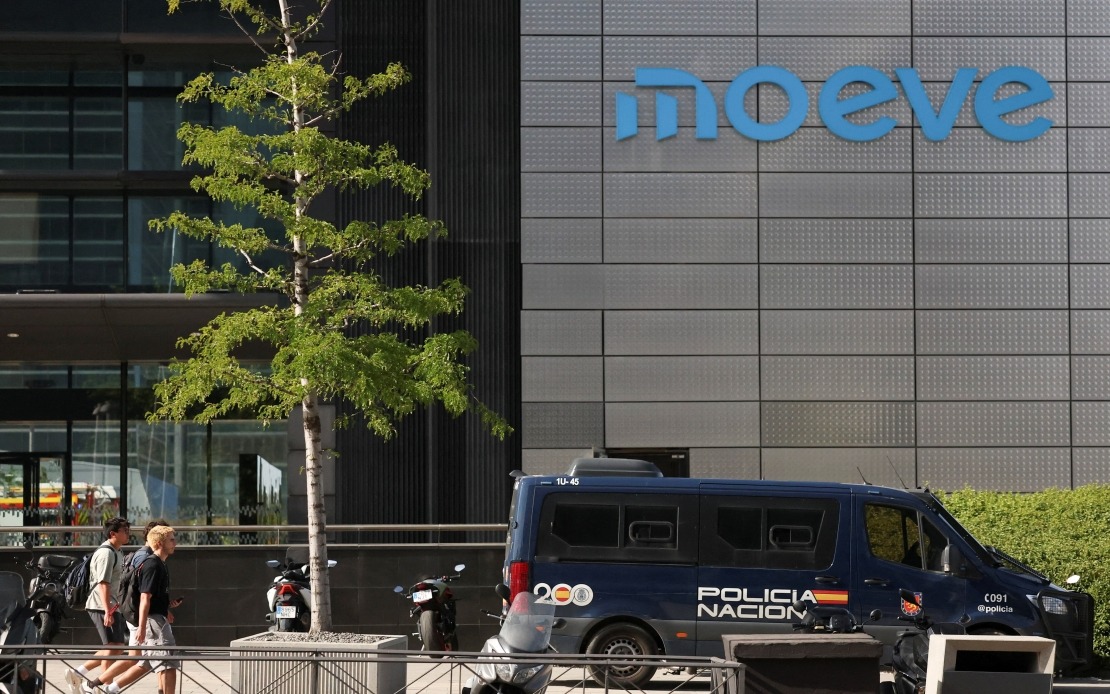
A significant fire engulfed Torre Moeve, Madrid's iconic second-highest skyscraper, on Tuesday afternoon, creating a dramatic plume of smoke visible across the Spanish capital. The incident unfolded rapidly, with emergency services responding swiftly to contain the blaze and ensure the safety of occupants in the high-rise structure that dominates the city's skyline.
The emergency began when an explosion occurred inside the building at approximately 5:00 pm local time, according to reports from Spain's National Police cited by state broadcaster RTVE. The precise cause of the explosion remained under investigation, though authorities quickly determined the origin point and initiated containment procedures. The timing of the incident during the late afternoon meant the building still had a significant number of workers and visitors present, making the evacuation a critical priority for emergency responders.
According to information released by the Spanish government's Madrid delegation, the fire originated on the 25th floor, which contains technical rooms and mechanical systems essential to the building's operations. This location, away from primary office spaces, likely contributed to the manageable evacuation process. The technical nature of the affected area suggested the fire may have been related to electrical or mechanical systems, though investigators were still examining evidence to determine the exact trigger.
Emergency procedures activated immediately following the explosion and fire outbreak. The entire tower was evacuated as a precautionary measure, with building management and emergency services working in coordination to move occupants to safety. The rapid response prevented any fatalities or serious injuries, demonstrating the effectiveness of Spain's emergency management protocols for high-rise buildings. The evacuation of a structure of Torre Moeve's size—Spain's second-tallest building—represents a significant logistical operation given the number of floors and occupants involved.
Firefighting crews from the Madrid City Council responded to the scene with specialized equipment suitable for tackling blazes in tall buildings. Their efforts proved effective, with firefighters successfully containing and extinguishing the fire. Following suppression efforts, emergency personnel conducted thorough inspections of the building's interior to identify any remaining hotspots, structural damage, or safety hazards that might affect the building's immediate reopening or ongoing operations.
Medical attention was provided to three individuals affected by the incident. Two workers experienced mild smoke inhalation—a common consequence of fires in enclosed spaces—while a passer-by outside the building suffered an anxiety attack triggered by the frightening scenes of fire and smoke. All three individuals received treatment at the scene and were deemed fit enough to be released without requiring hospitalization, indicating the medical impact remained relatively contained.
The incident at Torre Moeve highlights the importance of robust safety systems and rapid emergency response capabilities in managing crises at major urban landmarks. High-rise buildings in major cities across Europe, including Spain, are subject to strict building codes and safety regulations designed to protect occupants and minimize damage. The successful evacuation and fire suppression at Torre Moeve suggest these systems functioned as intended during this emergency.
For Malaysian readers and businesses with operations or investments in European markets, the Torre Moeve incident serves as a reminder of the critical importance of maintaining comprehensive insurance coverage and business continuity plans for properties and operations abroad. The visible disruption caused by the fire, while managed effectively, would have temporarily affected tenants and operations in the building, demonstrating how unexpected incidents can impact business activities even in well-developed urban environments with advanced emergency services.
The incident will likely prompt detailed investigations by Spanish authorities to determine the precise cause of the explosion and fire, with findings potentially informing future building safety regulations and maintenance protocols. Such investigations are standard practice in major incidents affecting significant infrastructure and help establish whether any systemic vulnerabilities or maintenance failures contributed to the emergency.

