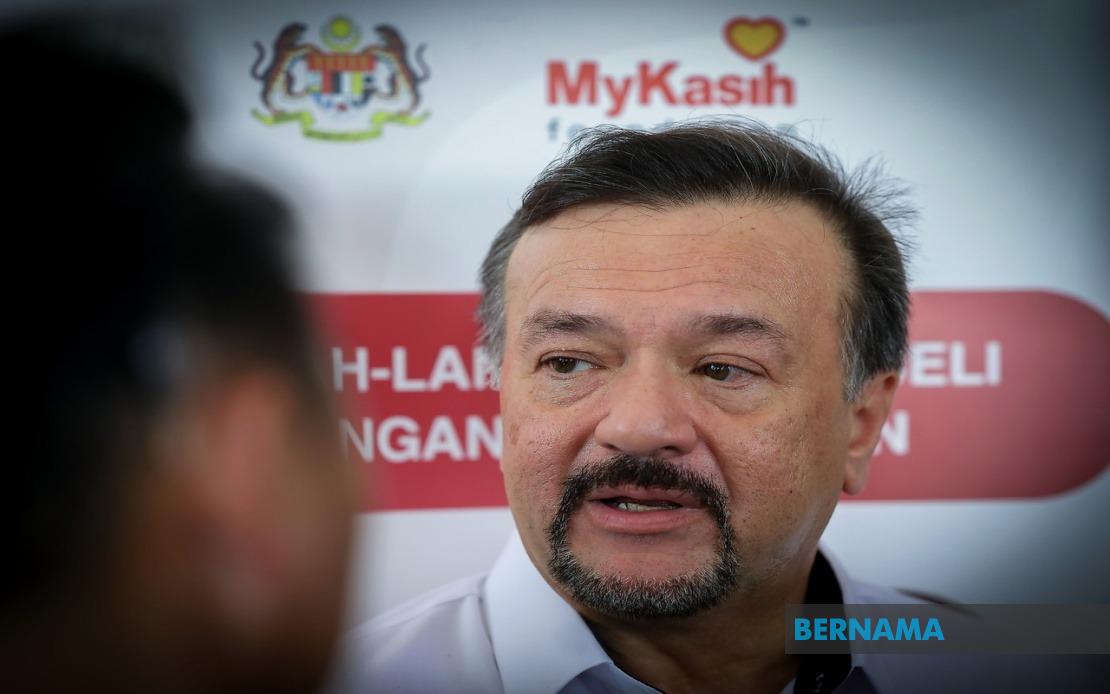
The Malaysian government has signalled flexibility in managing the BUDI MADANI Diesel subsidy initiative, with Finance Minister II Datuk Seri Amir Hamzah Azizan indicating that proposed adjustments will hinge on empirical evidence of fuel consumption patterns rather than speculation or administrative pressure. Speaking at a media briefing in Kuching on the implementation of targeted diesel subsidy reforms, Amir Hamzah underscored the government's commitment to evaluating the programme's effectiveness through concrete usage metrics before making significant policy changes.
Any modification to the scheme, including potential increases to individual fuel quotas, will be determined by analysing how consumers actually utilise their allocated allowances. This data-driven stance reflects a measured approach designed to prevent wasteful overspending while ensuring the subsidy reaches those with genuine transport needs. The minister's comments suggest that the Ministry of Finance remains willing to revisit administrative parameters if evidence points to systemic shortcomings.
Early performance indicators offer reassurance regarding the programme's initial calibration. Consumption records spanning January to May demonstrate that only 0.76 per cent of participants exceeded the 200-litre threshold, indicating the allocation structure is functioning as intended for the vast majority of recipients. This statistical snapshot has informed the government's cautious stance: rather than rushing to expand quotas based on anecdotal feedback, officials prefer to accumulate a more comprehensive dataset that reflects seasonal variation and genuine demand patterns.
The philosophy underlying this approach draws on lessons learned from previous targeted subsidy initiatives. When the government rolled out the RON95 fuel subsidy programme, participants initially complained that quota ceilings were too restrictive. However, subsequent analysis revealed that the restrictions were adequate for most consumers, and concerns were often overstated. This experience shaped current policy thinking and created institutional confidence in letting programmes stabilise before undertaking major revisions.
The e-hailing sector provides an instructive precedent that influenced how the government now structures energy subsidies. When ride-sharing drivers first accessed targeted diesel support, they raised concerns about insufficient fuel allowances. Rather than implementing blanket increases, the Ministry of Finance conducted a thorough examination of actual fuel consumption recorded by platform operators. This granular analysis enabled the government to identify which drivers genuinely faced elevated fuel costs due to high mileage and which were operating within conventional parameters.
The outcome was a differentiated quota system reflecting actual operational demands. E-hailing drivers now access either 600 or 800 litres monthly, assigned on the basis of documented usage patterns. This two-tier approach balances fiscal responsibility with equitable treatment, ensuring that subsidies are proportionate to genuine needs while discouraging artificially inflated claims. The successful implementation of this framework demonstrates that the government possesses both the analytical capacity and political willingness to refine subsidy structures when data justifies intervention.
Applying this precedent to the BUDI Diesel programme suggests that quota adjustments remain plausible if empirical evidence accumulates demonstrating widespread shortfalls. However, the government's current posture emphasises patience and systematic evaluation rather than reactive policy-making. Officials recognise that allowing systems to function through multiple operational cycles generates richer information than snapshots taken during initial rollout phases, when behaviour may not yet reflect long-term patterns.
For consumers and industry stakeholders relying on diesel subsidies, this stance carries both reassuring and cautionary implications. The assurance lies in government receptiveness to evidence-based modifications and demonstrated willingness to enhance support where justified. The caution relates to the timeline for potential changes—policy adjustments will follow extended observation periods rather than respond immediately to complaints. Businesses and individuals dependent on diesel subsidies should plan operations assuming current quota levels will persist for at least the medium term.
The presence of Works Minister Datuk Seri Alexander Nanta Linggi at the briefing underscores interagency coordination around subsidy policy, particularly regarding sectors like construction and logistics that consume substantial diesel quantities. This administrative alignment suggests that any future adjustments will incorporate input from multiple government bodies responsible for sectors reliant on transport fuels, ensuring that policy decisions reflect comprehensive sectoral understanding rather than Finance Ministry preferences alone.
The government's pragmatic approach to subsidy management addresses broader Southeast Asian concerns about programme sustainability and fiscal discipline. Countries throughout the region wrestle with energy subsidy systems that consume significant budget allocations, often with limited visibility into whether support reaches intended beneficiaries efficiently. Malaysia's emphasis on data-driven refinement and willingness to establish differentiated support levels according to demonstrated need positions the BUDI Diesel initiative as a model for targeted rather than universal subsidy architecture.
Looking ahead, the accumulation of consumption data through the remainder of 2024 and into 2025 will provide the statistical foundation for any substantive policy revisions. Should patterns emerge indicating systemic quota insufficiency affecting broad participant segments, the government has signalled its openness to expansion. Conversely, if data confirms that current allocations adequately serve the vast majority while preventing excess consumption, the present structure will likely persist. This data-dependent pathway avoids both the political pitfalls of perceived stinginess and the fiscal hazards of unwarranted programme expansion.
The BUDI Diesel programme represents a deliberate shift from universal subsidies toward precision targeting, reflecting evolving government thinking about balancing social support with fiscal sustainability. Finance Minister Amir Hamzah's willingness to review and adapt the framework based on real-world performance metrics suggests that subsequent iterations of Malaysian energy subsidies will become progressively more sophisticated in matching support levels to actual requirements. For Malaysian businesses and motorists, this translates into a subsidy environment that prioritises evidence over ideology but maintains sufficient flexibility to accommodate genuine operational constraints as they emerge.