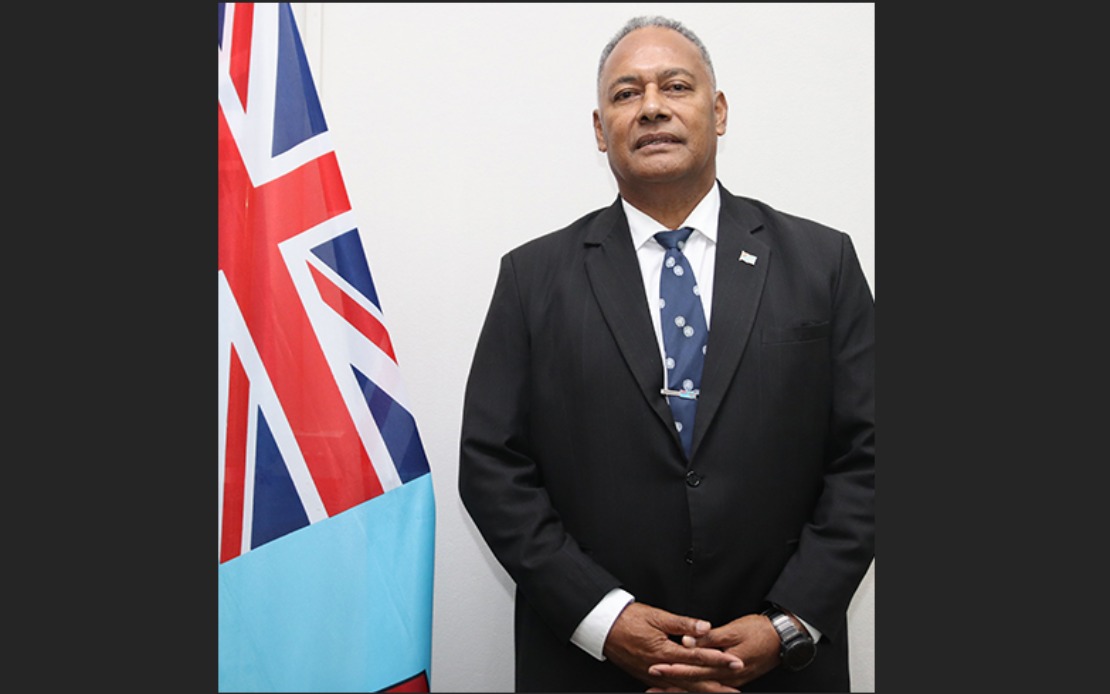
Sakiasi Raisevu Ditoka, Fiji's Foreign and External Trade Minister, is arriving in Malaysia for a four-day working visit beginning Sunday, marking a significant diplomatic engagement aimed at deepening bilateral cooperation between the two nations. The visit underscores growing interest from Pacific Island nations in strengthening ties with Southeast Asia's largest economies, positioning Malaysia as a strategic partner for island states seeking economic diversification and regional engagement beyond traditional relationships.
During his stay, Ditoka will engage in high-level meetings with Malaysia's Foreign Minister Datuk Seri Mohamad Hasan, focusing on expanding partnership across multiple sectors. The ministerial discussions will centre on trade and investment expansion, reflecting both nations' commitment to broadening economic interdependence. Beyond commerce, conversations will address capacity-building initiatives that could enhance Fiji's technical capabilities and institutional development through Malaysian expertise and know-how.
The agenda encompasses several strategic sectors particularly relevant to Malaysia's Indo-Pacific positioning. Forestry cooperation offers potential for knowledge transfer in sustainable land management, while renewable energy partnerships align with both countries' climate commitments and energy security goals. Cultural exchanges have also been prioritised, recognising that people-to-people connections strengthen diplomatic foundations and create lasting goodwill between populations separated by vast ocean distances.
A crucial component of the visit involves broader regional dialogue. Both ministers will explore approaches to strengthening Malaysia's ties with other Pacific Island nations, reflecting Kuala Lumpur's expanding engagement with this geographically dispersed but strategically important region. This multilateral dimension signals Malaysia's growing recognition that maintaining influence in Indo-Pacific affairs requires sustained relationships across the Pacific, not merely bilateral arrangements.
Parallel to foreign ministry discussions, Ditoka will meet Investment, Trade, and Industry Minister Datuk Seri Johari Abdul Ghani to identify fresh economic opportunities. This track acknowledges that sustainable bilateral relationships require tangible commercial benefits for private sectors in both countries. New joint ventures, trade facilitation mechanisms, or sectoral partnerships may emerge from these consultations, creating revenue streams for Malaysian and Fijian businesses while strengthening economic interdependence.
A symbolic highlight of the visit involves reopening Fiji's High Commission in Kuala Lumpur, a facility that had previously closed. This physical reinstatement of diplomatic infrastructure demonstrates mutual commitment to regularised engagement and signals that both governments intend serious, sustained diplomatic presence rather than episodic interactions. The reopened mission will serve as a focal point for ongoing bilateral coordination and provide a dedicated venue for Fijian citizens and businesses accessing Malaysian services.
The establishment of the Malaysia-Fiji Business Council during the visit promises to institutionalise private sector engagement. Such councils typically facilitate introductions between companies, provide market intelligence, and create frameworks for joint ventures. For Malaysian enterprises, Fiji represents a gateway to Pacific Island markets and investment opportunities. Conversely, Fijian businesses gain access to Southeast Asia's supply chains, manufacturing expertise, and capital markets, transforming the bilateral relationship into a mutually beneficial economic ecosystem.
Existing trade data reveals a relationship heavily skewed toward Malaysian exports. In 2025, bilateral trade reached RM880.01 million, with Malaysian exports accounting for RM867.92 million and Fijian imports standing at merely RM12.09 million. This imbalance suggests significant untapped potential for Fijian exports to Malaysia. The trade deficit reflects Fiji's limited manufacturing capacity and Malaysia's stronger industrial base, but it also indicates opportunity. Strategic investments in Fijian agriculture, fisheries, or light manufacturing could reshape this dynamic, creating more balanced and sustainable trade patterns that benefit both economies.
Fiji's position as the most developed Pacific Island economy and a regional hub makes it strategically valuable for Malaysia's broader Indo-Pacific strategy. As China intensifies its engagement across the Pacific through infrastructure and financial investments, Malaysia's diplomatic outreach demonstrates a Southeast Asian alternative approach emphasising partnership, capacity building, and mutual respect rather than dependency-creating arrangements. This positioning appeals to Pacific nations seeking diversified partnerships and reduced reliance on any single power.
The visit also reflects Malaysia's recognition that Southeast Asia's prosperity increasingly depends on stable relationships with neighbouring regions. The Indo-Pacific concept transcends traditional geographic boundaries, encompassing Indian and Pacific Ocean nations in an interconnected web of security, trade, and geopolitical interests. By deepening ties with Fiji and signalling openness to broader Pacific engagement, Malaysia strengthens its regional diplomatic influence and creates platforms for addressing shared challenges from climate change to maritime security.
For Malaysian stakeholders, the renewed focus on Pacific Island engagement opens commercial doors in tourism, education services, technology, and financial services. Malaysian universities already attract Pacific Island students; expanded educational partnerships could deepen people-to-people connections. Similarly, Malaysian hospitality and tourism expertise could support Fiji's efforts to diversify its visitor economy beyond traditional sources.
The timing of this high-level visit suggests both governments prioritise deepening engagement before international circumstances shift further. As geopolitical competition intensifies in the Indo-Pacific, nations are consolidating partnerships and signalling alignment. Malaysia's sustained diplomatic initiative toward Fiji demonstrates that small island nations remain important players in regional calculations, worthy of ministerial-level attention and institutional investment.
Looking forward, the outcomes from Ditoka's visit—including concrete trade agreements, investment commitments, or sectoral cooperation frameworks—will reveal the substantiveness of this diplomatic engagement. Whether the reopened High Commission and Business Council generate tangible economic activity will ultimately determine whether this visit marks genuine relationship deepening or remains primarily symbolic.

