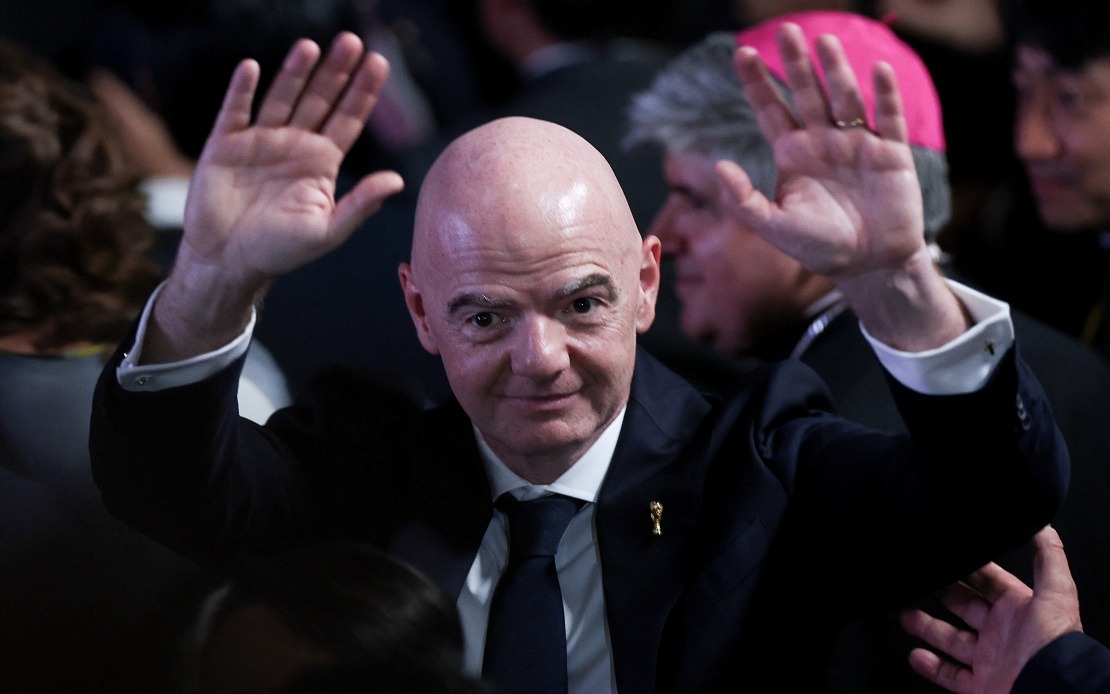
Football's governing body has launched a robust defence of its embattled president, signalling that any attempt to circumvent established procedural rules in selecting leadership will face institutional resistance. The statement, released late Saturday from Istanbul, represents FIFA's most direct pushback yet against mounting criticism of Gianni Infantino as he pursues re-election for a further four-year mandate. The timing underscores deepening fractures within world football's structure, with multiple confederation leaders and member associations now openly questioning aspects of his stewardship.
FIFA framed its position as a defence of institutional integrity rather than a personal endorsement, emphasising that the organisation's statutes and democratic frameworks must be upheld regardless of circumstances. The governing body made clear it would not countenance any presidential election process that deviates from its established constitutional procedures, positioning itself as a guardian of proper governance. This emphasis on procedural correctness suggests FIFA's leadership views the current turbulence not merely as political disagreement but as a potential threat to the organisation's foundational legitimacy.
Infantino's mandate rests nominally on the support of FIFA's 211 member associations, who constitute the organisation's supreme decision-making body. FIFA's invocation of this democratic foundation appears designed to suggest that challenges to the president lack broad grassroots legitimacy among national football federations worldwide. However, the need for FIFA to make this assertion publicly signals that this consensus may be fragile. The organisation's statement notably avoided addressing specific criticisms or allegations, instead characterising opposition as part of what it termed a "concerted and ongoing effort" by unnamed actors with unclear motives.
Backing for Infantino extends beyond FIFA's own apparatus. The South American Football Confederation and the Confederation of African Football have both publicly supported the president's position, according to FIFA's account. This geographical distribution of backing is strategically significant, as Africa and South America together represent a substantial voting bloc within FIFA's member structure. Their public alignment with Infantino provides him numerical insurance against any potential challenge, though such statements may also signal that these confederations face internal pressure to demonstrate solidarity.
The language FIFA employed in characterising its opponents is notably harsh. The organisation accused unnamed individuals of attempting through "allegations, insinuations or misinformation" to achieve goals they could not accomplish through legitimate democratic channels. This framing transforms the debate from substantive governance questions into a narrative about bad-faith actors attempting to undermine the organisation. FIFA further dismissed recent reporting as containing "unsubstantiated assertions and demonstrably false claims," though it provided no examples or specifics of what it disputed.
Infantino's career trajectory featured prominently in FIFA's defence of his record. The organisation highlighted that he has devoted more than three decades to European and world football administration, suggesting his experience and institutional knowledge constitute qualifications for continued leadership. FIFA credited him with expanding access, resources, and opportunities throughout the global game, implying that the breadth of his work should outweigh whatever concerns critics have raised. This emphasis on legacy and accomplishment appears designed to appeal to member associations that have benefited from FIFA initiatives during his tenure.
Yet FIFA's assertion that it welcomes "legitimate scrutiny" sits uncomfortably alongside its aggressive dismissal of recent criticism as distortion and manufacture. The organisation's insistence that "repetition does not make an allegation true" and that "speculation and insinuation should not be presented as fact" suggests that FIFA views its critics not as offering reasonable concerns but as engaged in a propaganda campaign. This rhetorical stance may resonate with supporters but potentially alienates those genuinely seeking clarity on disputed matters.
For Malaysian readers and Southeast Asian football stakeholders, this institutional tension carries practical implications. Malaysia sits within FIFA's Asian Football Confederation, which has not publicly positioned itself as either firmly backing or opposing Infantino. The direction Asian football takes during this leadership dispute could influence resource allocation, tournament hosting opportunities, and administrative influence within the global game. How member associations from the region navigate the coming presidential election may determine their access to FIFA's expanded development programmes and financial commitments.
The centralisation of power within FIFA under Infantino's leadership has been a recurrent point of contention among observers of global football governance. Some member associations have grown concerned about what they view as excessive presidential authority and insufficient checks on executive discretion. The current dispute reflects not simply personality conflict but substantive questions about how international sport should be administered and whether sufficient accountability mechanisms exist to ensure leadership serves all member interests rather than consolidating power.
Infantino's fourth-term ambitions place him on track to substantially surpass predecessors in tenure, assuming he succeeds in the upcoming election. This extended continuity could reshape how FIFA operates and set precedents about presidential authority that affect the organisation for decades. The intensity of the current defence suggests FIFA's leadership views this moment as critical for establishing the legitimacy and stability of extended presidential mandates in international football governance.
The coming months will determine whether FIFA's institutional weight proves sufficient to quell the divisions now surfacing or whether they continue escalating toward confrontation at the formal election. Member associations will face decisions about whether to respect FIFA's invocation of statutory procedures or whether to support alternative processes for evaluating leadership. These choices will carry consequences extending far beyond the immediate question of who leads world football.

