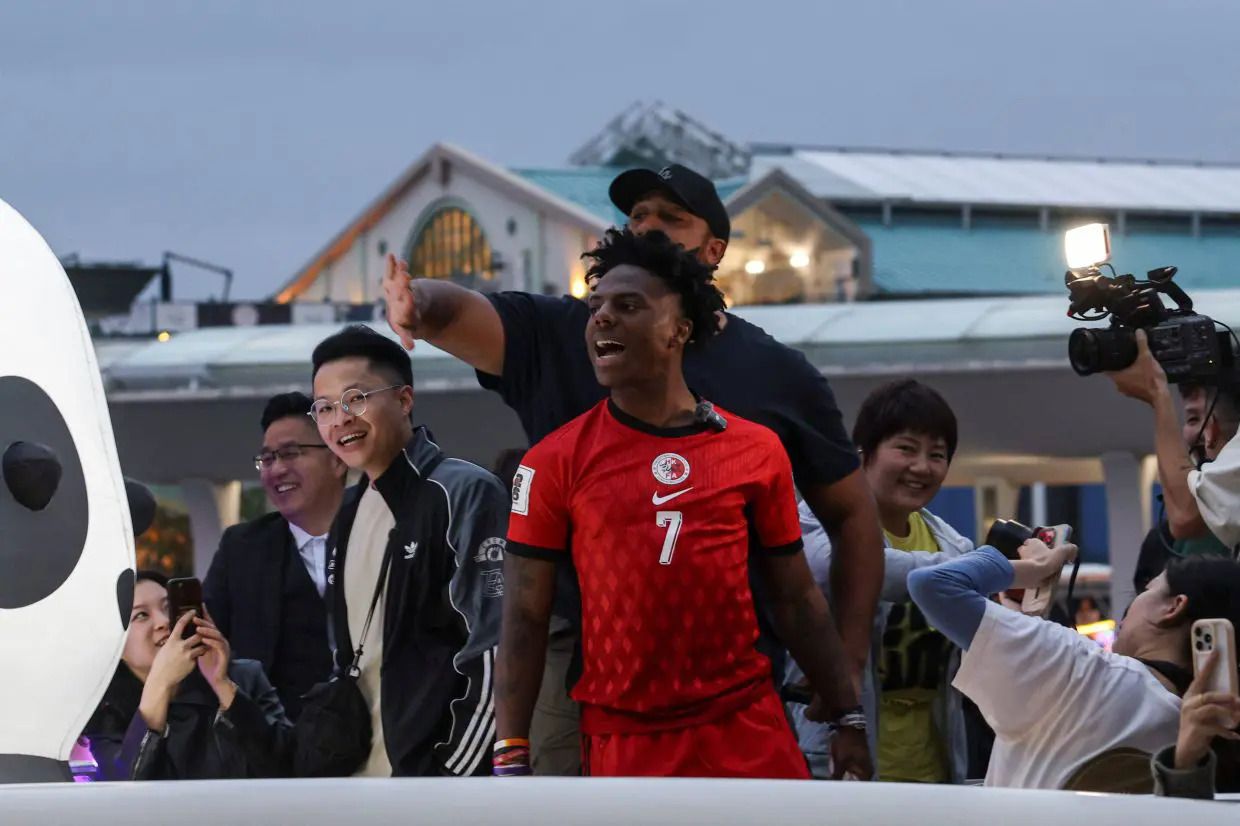
FIFA has initiated a formal investigation into racist abuse allegedly directed at prominent content creator IShowSpeed during last week's World Cup fixture between Argentina and Cape Verde at Miami Stadium. The global football governing body announced the probe through social media on Tuesday, July 7, confirming it had become aware of the incident occurring on July 3 and moved swiftly to examine what transpired during the match.
Darren Watkins Jr, professionally known as IShowSpeed, is a 21-year-old American streamer commanding a significant digital following across multiple platforms. His YouTube channel alone boasts over 57 million subscribers, with tens of millions more engaged audiences distributed across other social media services. The scale of his reach underscores the visibility of the World Cup tournament through contemporary digital broadcasting channels, extending football's presence far beyond traditional television audiences.
The streamer's participation in the tournament represents an evolving approach to World Cup coverage and fan engagement. Operating under a special arrangement coordinated between FIFA, YouTube, and American broadcaster Fox Sports, IShowSpeed has been granted unprecedented access to attend matches and broadcast live content to his global audience. This partnership reflects the modern sports industry's recognition that content creators and digital platforms constitute essential components of how millions consume major sporting events, particularly among younger demographics.
FIFA's public statement emphasized the organisation's stated commitment to eliminating racist conduct from football environments. The governing body declared that it "strongly condemns racism, hate and discrimination in all forms," while asserting that such behaviour has "no place in football, at the FIFA World Cup, or anywhere in society." These pronouncements represent FIFA's official stance, though the actual implementation and enforcement of anti-racism policies has remained a subject of considerable debate within international football circles.
The incident targeting IShowSpeed is particularly significant because it occurred during an event specifically designed to showcase football's global appeal and commercial potential. The World Cup functions as one of sport's most watched international competitions, and negative incidents occurring during matches generate substantial publicity that can overshadow the sporting competition itself. The targeting of a content creator with massive reach potentially amplifies the exposure of such behaviour across digital networks, reaching audiences far beyond those physically present at the stadium.
Additionally troubling are reports that IShowSpeed experienced further racist abuse during a subsequent Argentina versus Egypt match on Tuesday, where an Argentine supporter allegedly mimicked monkey gestures during an encounter with the streamer. This sequential nature of incidents suggests a pattern rather than isolated behaviour, raising questions about stadium security protocols and the effectiveness of existing measures designed to identify and remove individuals engaging in discriminatory conduct.
The incidents underscore persistent challenges facing football worldwide regarding fan behaviour and racial discrimination. Despite numerous high-profile campaigns and penalties implemented across major leagues and competitions, racist abuse continues to surface at prominent events. For Southeast Asian readers, this resonates particularly given the region's football communities and the aspirations of players and supporters seeking to participate in or attend major international tournaments where professional standards should be upheld.
IShowSpeed's status as a high-profile African-American content creator likely contributed to the targeting, reflecting how racism in football frequently intersects with xenophobia and prejudice directed at individuals based on both race and nationality. The streamer's visibility and digital prominence may have made him a particular focus, though this does not diminish the seriousness of the allegations or FIFA's obligation to investigate thoroughly.
The investigation's outcomes will potentially set precedents for how FIFA addresses racist behaviour when it involves content creators and digital personalities rather than traditional athletes or match officials. Given the streamer's significant audience reach, any disciplinary action or public communications from FIFA may influence broader discussions about racism in sports across multiple demographic groups who follow his content.
FIFA's commitment to investigation and accountability will be tested by the rigour of this probe and the transparency with which findings are communicated. For football fans across the region and globally, these investigations carry weight in determining whether stated commitments to eliminating discrimination translate into meaningful consequences for perpetrators and systematic improvements in stadium safety and fan conduct standards.

