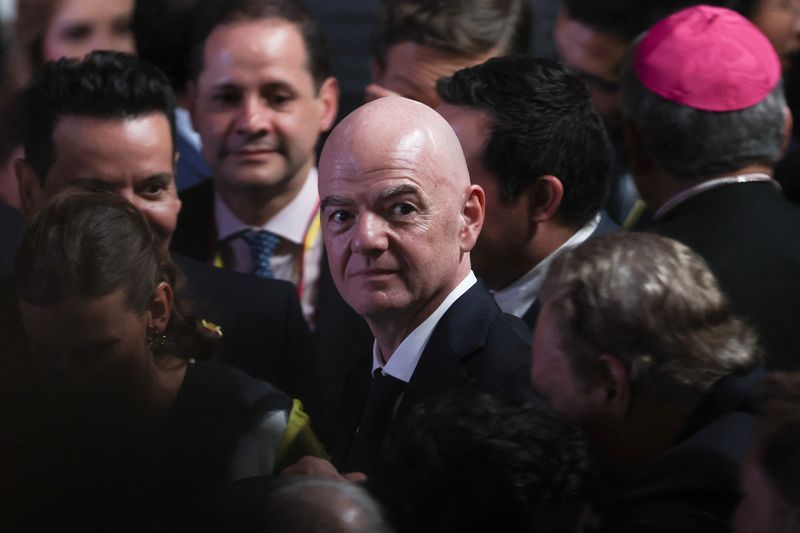
FIFA has issued a forceful statement defending President Gianni Infantino as the world's football governing body faces its deepest leadership crisis in recent years, triggered by the spectacular failure of an ambitious plan to monetise the commercial rights of the World Cup and other major tournaments. The statement, released on Saturday, characterises recent attacks on Infantino as a "concerted and ongoing effort" to destabilise his position through methods that circumvent FIFA's formal governance structures, marking an escalation in the bitter dispute that has fractured the football world.
The collapse of the proposal to raise approximately $4.2 billion through the sale of commercial stakes has exposed fundamental divisions within international football's power structure. What appeared to be a visionary strategy to unlock new revenue streams morphed into a political disaster when UEFA, numerous national associations, and senior FIFA insiders publicly rejected the plan. The backlash forced FIFA into crisis management mode, with senior leadership convening an emergency meeting in Morocco this week to attempt damage control and reassure member associations that Infantino retained their confidence.
Infantino's embattled position has been further complicated by investigative reports, notably from The Daily Telegraph, concerning payments made by UEFA to a former employee during the president's tenure as the European confederation's general secretary. Infantino has categorically denied any wrongdoing in connection with these payments, and FIFA has similarly dismissed the allegations as baseless and without merit. The timing of these reports, emerging amid the commercial proposal debacle, has intensified pressure on the president and provided ammunition to his critics seeking his removal from office.
The FIFA statement deliberately avoids naming specific critics or identifying which allegations it considers unfounded, instead deploying sweeping language about "unsubstantiated assertions and demonstrably false claims" appearing in recent media coverage. This rhetorical approach suggests FIFA's leadership believes the most effective response is to challenge the entire narrative framework rather than engage with individual charges. The governing body has signalled it will aggressively contest any inaccurate or misleading reporting through direct confrontation with media outlets.
Crucially, FIFA has drawn a clear distinction between legitimate democratic challenges to Infantino's leadership and what it characterises as illegitimate efforts to undermine him through misinformation campaigns. The statement explicitly warns that any alternative pathway to removing or replacing the president must operate strictly within FIFA's established statutes and democratic procedures, effectively serving notice that backroom manoeuvres or coordinated pressure campaigns organised outside formal institutional channels will be resisted. This positioning reflects FIFA's anxiety that Infantino's opponents may be attempting to force his departure without triggering a formal leadership contest.
Infantino's supporters within the global football community remain substantial, despite the Western alliance of UEFA and Scandinavian federations turning against him. The Confederation of African Football unanimously endorsed his leadership this week, while South America's CONMEBOL has indicated it will not recognise any removal process that bypasses a full membership vote. Mexico's football federation has similarly pledged loyalty to Infantino, even as its regional confederation CONCACAF called for a comprehensive reassessment of his presidency. This geographic split reveals how Infantino's support remains concentrated in the Global South and among developing football nations.
The next major test of Infantino's political durability will come at the FIFA Congress scheduled for Morocco in March, where his bid for a fourth term will be formally considered. At present, no clear challenger has emerged to mount a serious candidacy against him, though the window for alternative candidates to organise remains open. The absence of a compelling alternative figure has likely strengthened Infantino's position despite recent setbacks, as many member associations may prefer to work with the devil they know rather than risk uncertainty with an untested leader.
Norwegian Football Federation President Lise Klaveness became one of the highest-profile voices calling for Infantino's resignation on Friday, arguing that the president has forfeited the institutional trust necessary to govern FIFA effectively. Her intervention carries symbolic weight as it represents pressure from one of world football's traditionally respected voices, though Norway's voting power within FIFA remains limited. The accumulation of such statements from prominent figures in developed football nations signals that Infantino faces genuine reputational damage even if his survival remains statistically likely based on voting patterns.
The crisis also reflects deeper structural tensions within FIFA that transcend Infantino's individual leadership. The governing body's attempt to unlock new commercial value through the World Cup rights proposal highlighted fundamental disagreements about FIFA's financial model, its relationship with continental confederations, and how decisions affecting the entire football ecosystem should be made. UEFA's role in blocking the proposal demonstrated that even FIFA's highest-profile regional body retains significant veto power, complicating the notion that Infantino can govern unilaterally.
For Malaysian and Southeast Asian football observers, the unfolding drama holds particular relevance given the region's growing importance in global football markets and FIFA's expansion initiatives. The AFC's response to Infantino's leadership challenges will likely determine whether Asian football nations collectively back the incumbent president or explore alternative approaches. The outcome of this crisis will shape FIFA's trajectory and potentially influence how major commercial decisions affecting Asian football are negotiated in coming years.
The statement from FIFA essentially represents a defensive posture rather than a confident assertion of strength. By warning against coordinated challenges and emphasising adherence to formal procedures, FIFA suggests anxiety that informal coalitions might successfully pressure Infantino into resignation before a formal leadership contest occurs. Whether this defence proves sufficient will depend on whether his opponents can mobilise sufficient member association support to force the issue through legitimate channels before March's Congress, or whether the current storm will gradually dissipate as attention shifts to other football matters.

