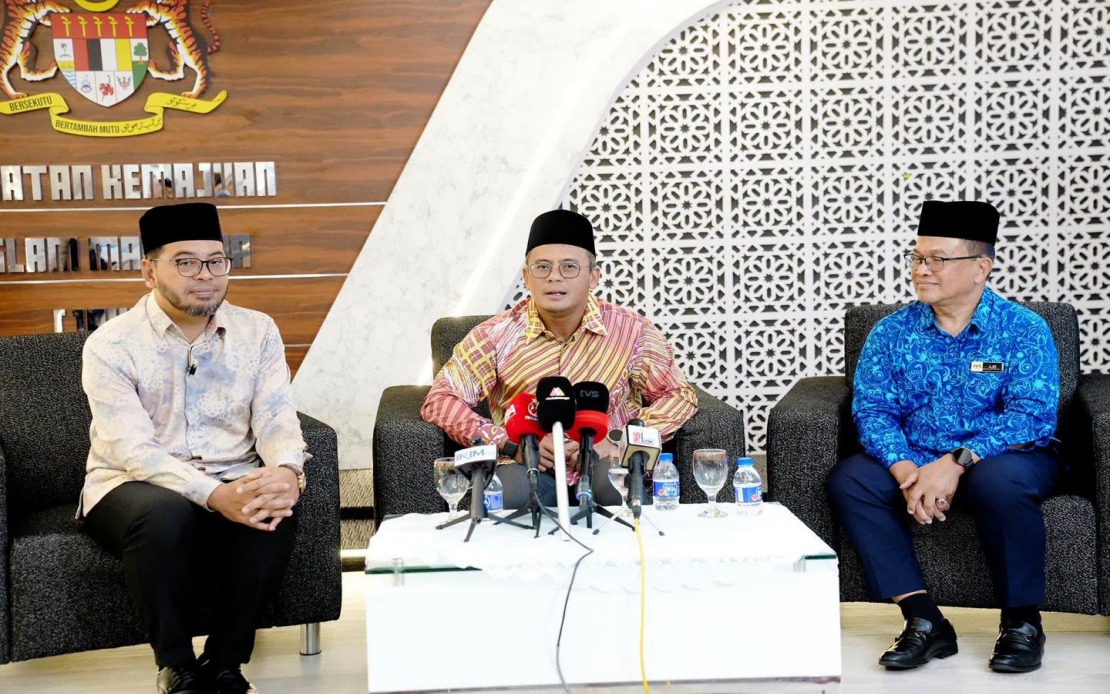
The Festival Turath Islami Selangor, a successful state-level initiative that has run for three editions, is being elevated to national prominence this year through a new partnership between Selangor and the federal government. Launching as Festival Turath Islami Malaysia 2026, the expanded event will run for eight days beginning September 13, with the majority of programming held at the Putra Mosque in Putrajaya. The move reflects a joint commitment between the Selangor State Government and the Federal Government through the Prime Minister's Department (Religious Affairs) to place Islamic scholarship and heritage at the centre of national cultural discourse.
Selangor Menteri Besar Datuk Seri Amirudin Shari outlined the rationale for relocating the festival's main venue from the Selangor state mosque to Putrajaya's Putra Mosque, emphasising that the expansion to national level necessitates a setting befitting a federal celebration. The shift in scale and location underscores official recognition that Islamic scholarly traditions merit prominence not merely at state level but as part of Malaysia's broader national identity and values. Minister in the Prime Minister's Department (Religious Affairs) Dr Zulkifli Hasan's presence at the launch announcement signals substantial federal backing for the initiative.
This year's edition carries the theme "Hikmah Warisan Islam" and focuses on Al-Hikam al-Ata'iyyah, a classical Sufi text composed by Ibn Ata-illah As-Sakandari. The work stands as a cornerstone of Islamic philosophical and spiritual thought, offering guidance on spiritual principles including sincerity, trust, and the relationship between believers and the divine. Notably, Al-Hikam al-Ata'iyyah has exercised considerable intellectual influence throughout the Islamic world and specifically within Malay-Muslim scholarly circles, making it particularly resonant for Malaysian audiences engaging with their own Islamic intellectual heritage.
Since its inception in 2023, the festival has operated as a dedicated platform for examining foundational Islamic texts and their contemporary relevance. The inaugural edition examined Ihya' 'Ulumuddin by Imam Al-Ghazali, the second edition focused on Al-Arba'in al-Nawawiyah by Imam al-Nawawi, and the third featured Tafsir al-Jalalain by Imam Jalaluddin al-Suyuti. This carefully curated progression through canonical Islamic scholarly works demonstrates an underlying pedagogical strategy to build systematic engagement with classical Islamic thought, positioning the festival as more than entertainment but as structured intellectual dialogue.
The 2026 edition will assemble an impressive roster of 23 scholars from Malaysia and abroad to facilitate more than 42 scholarly sessions across the eight-day period. International participants include Sheikh Dr Ali Jum'ah, a prominent contemporary Islamic scholar whose work bridges classical and modern Islamic thought. Domestic representation features distinguished figures such as Prof Dr Sayyid Idris al-Fasi al-Fihri, Ustaz Dr Adi Hidayat, Ustaz Wadi Annuar, and Selangor Mufti Datuk Setia Dr Haji Anhar Haji Opir. This assembled expertise promises substantive engagement with Al-Hikam al-Ata'iyyah rather than superficial celebration.
Beyond formal academic sessions, the festival programming encompasses diverse religious and cultural activities designed to make Islamic heritage accessible to various audience segments. Kuliah Subuh sessions will offer early-morning spiritual instruction, while Dalail al-Khairat recitations provide devotional engagement with Islamic texts. The five-day Talaqqi Kitab Al-Hikam programme facilitates direct study of the featured text, whilst supplementary events including Tausiah Perdana lectures, Qasidah traditional singing ceremonies, and an Islamic Book Festival create multiple entry points for public participation.
Among the festival's most significant innovations is the inaugural National Muzakarah Ulama Turath, a scholarly convocation specifically designed to unite Islamic scholars from across Malaysia's diverse regions and traditions. This gathering aims to strengthen intellectual cooperation among the country's Islamic academic community whilst collectively examining practical solutions to contemporary challenges confronting Muslim populations. The initiative addresses a longstanding need for structured dialogue amongst Malaysia's considerable scholarly establishment, potentially creating a sustainable mechanism for national Islamic intellectual discourse extending beyond the festival itself.
The elevation from state to national level carries substantial implications for how Malaysia positions Islamic scholarship within its cultural and governance frameworks. Rather than treating Islamic heritage as a peripheral or nostalgic concern, the federal government's partnership signals recognition that engagement with classical Islamic texts and contemporary scholarly dialogue can serve foundational roles in national identity formation and human development. For Malaysian Muslims, the festival offers legitimised space for intellectual engagement with their religious tradition at the highest institutional levels.
From a Southeast Asian perspective, Malaysia's institutionalisation of Islamic scholarly festivals presents a model potentially relevant for other Muslim-majority nations in the region grappling with questions of Islamic heritage preservation and contemporary relevance. The festival's focus on classical texts rather than sectarian controversies offers a framework emphasising scholarly consensus and spiritual universals. Notably, the inclusion of international scholars ensures the gathering functions as a node within broader Islamic intellectual networks rather than an insular national exercise.
The logistics of hosting such an expanded event at Putra Mosque place significant demands on organisational infrastructure and coordination between state and federal authorities. The eight-day duration and 23 participating scholars require careful programme scheduling to ensure substantive engagement rather than rushed superficiality. Previous successful editions of the festival suggest organisers possess requisite experience, yet the elevation to national scale introduces complexities absent from earlier iterations, from media management to accommodating substantially larger anticipated attendance.
Registration and detailed programming information for Festival Turath Islami Malaysia 2026 will be released through official channels as planning progresses toward the September 13 launch date. The festival represents a meaningful commitment to positioning Islamic scholarly discourse as integral to Malaysian national life, offering citizens opportunities for intellectual and spiritual engagement with their tradition under state auspices. For regional observers, the festival demonstrates how Muslim-majority democracies can actively support classical Islamic scholarship whilst maintaining contemporary relevance.

