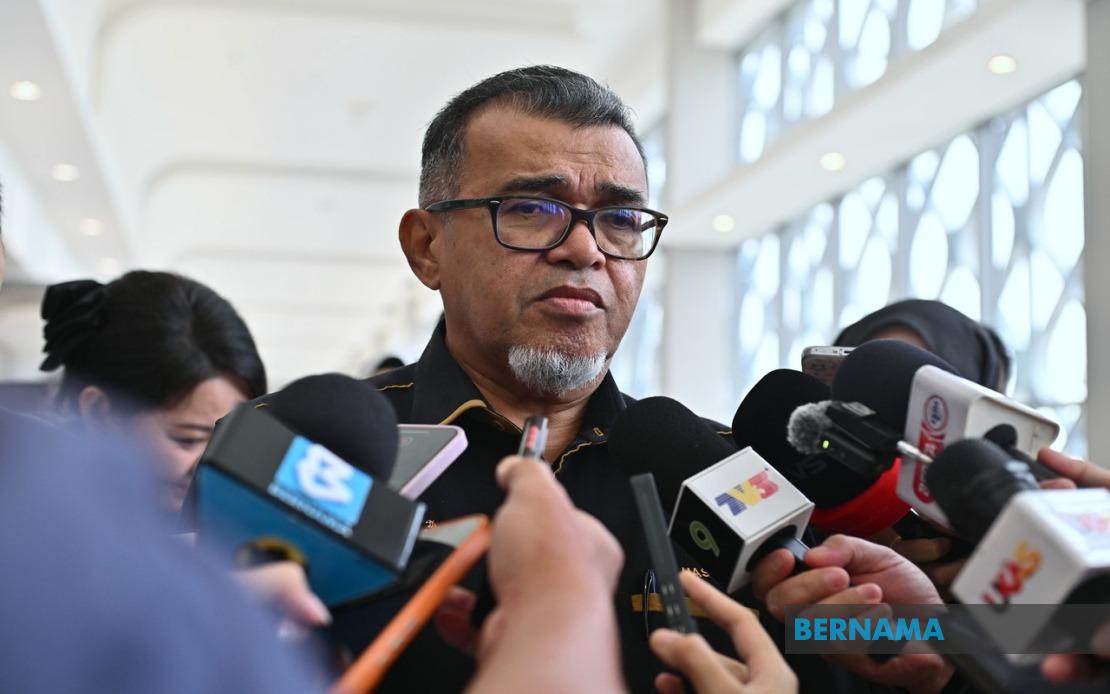
The Federal Government is investing RM30 million to modernise two critical Short Take-Off and Landing (STOL) airports serving remote communities in Sarawak's interior, signalling renewed focus on infrastructure development in rural regions. Deputy Transport Minister Datuk Hasbi Habibollah announced the allocation, which divides equally between Long Banga and Ba'kelalan, with RM15 million earmarked for each facility. The announcement comes as part of broader efforts to ensure that remote areas receive comparable infrastructure development to more populated regions, addressing longstanding disparities in air connectivity.
The upgrade programme represents a strategic recognition that STOL airports form the backbone of connectivity for isolated communities where traditional road networks remain impractical or non-existent. These facilities serve multiple functions beyond passenger transport, including medical evacuations, supply deliveries, and administrative travel. By improving these airports, the government aims to reduce the isolation that hampers economic development and access to essential services in Sarawak's interior regions. The allocation reflects the transport ministry's commitment to the MADANI concept, which emphasises inclusive growth and ensuring no community is left behind in development initiatives.
A central component of the upgrade strategy involves runway extension projects at both locations. The existing runways currently restrict operations to Twin Otter aircraft, which possess limited passenger capacity and require frequent rotation to meet demand from local communities. Expanding these facilities would enable larger aircraft operations, potentially introducing regional operators with improved comfort and cargo handling capabilities. This progression in aircraft types represents a significant quality-of-life improvement for residents who currently experience bottlenecks during peak travel periods and face delays for urgent medical transport.
The Twin Otter aircraft currently serving Long Banga and Ba'kelalan, while proven workhorses in challenging terrain, face inherent payload limitations that constrain economic opportunity. Limited passenger capacity means higher operational costs per traveller and reduced flexibility in scheduling. Extended runways would open possibilities for aircraft such as the Cessna Caravan or larger turboprops, expanding connectivity options and potentially attracting commercial interest from regional carriers. This expansion could stimulate modest economic activity through improved logistics for local products and increased business travel.
Rural Sarawak communities have historically experienced infrastructure investment cycles driven by political priorities rather than systematic needs assessment. The RM30 million commitment suggests a more sustained approach to addressing transport gaps in the state's interior. These two airports specifically serve populations that depend on air travel as their primary link to district centres and the state capital, Kuching. Improved facilities would reduce travel times and costs for accessing government services, healthcare, and educational opportunities, directly benefiting thousands of residents.
The modernisation initiative also carries implications for emergency services and disaster response. Remote areas face particular vulnerability during medical crises, with patient evacuation depending entirely on aircraft availability and runway condition. Better-maintained facilities with extended runways enhance the reliability of emergency airlift operations. Additionally, improved airports strengthen the government's capacity to respond to natural disasters common in the region, such as floods and landslides, by ensuring consistent access for relief supplies and personnel.
Investment in rural transport infrastructure reflects recognised development priorities across Southeast Asia, where geographic isolation remains a primary constraint on poverty reduction and opportunity creation. Malaysia's approach through targeted STOL airport upgrades mirrors strategies employed across the region to connect inland populations to broader economic networks. For Sarawak specifically, these improvements contribute to the state government's diversification agenda, enabling tourism development in culturally significant interior areas and facilitating resource management in agricultural and forestry sectors.
The timing of the announcement, delivered during the National MADANI Taxi Renewal Programme event for Sarawak, underscores the transport ministry's integrated approach to connectivity. Rather than treating rural air transport as a separate issue, the government is positioning airport improvements within a comprehensive vision of modern mobility. This holistic perspective acknowledges that effective transport systems require investment across modes and regions, ensuring that rural populations benefit proportionately from national development expenditure.
Implementation timelines for the Long Banga and Ba'kelalan upgrades remain subject to planning and procurement processes typical of government infrastructure projects. Stakeholder coordination between federal authorities, the Sarawak state government, and local communities will prove essential to ensure that improvements address genuine local priorities. Community input on runway specifications, terminal facilities, and supporting infrastructure can enhance project relevance and long-term operational sustainability.
The RM30 million allocation, while substantial in absolute terms, requires contextualisation within Sarawak's broader transport infrastructure needs. The state encompasses vast territories with numerous communities dependent on air connectivity, suggesting that additional funding mechanisms may be necessary to achieve comprehensive coverage. However, the commitment demonstrates government recognition that rural transport deserves continued investment despite competing national priorities. Success in upgrading these two facilities could establish momentum for similar projects across other underserved regions.

