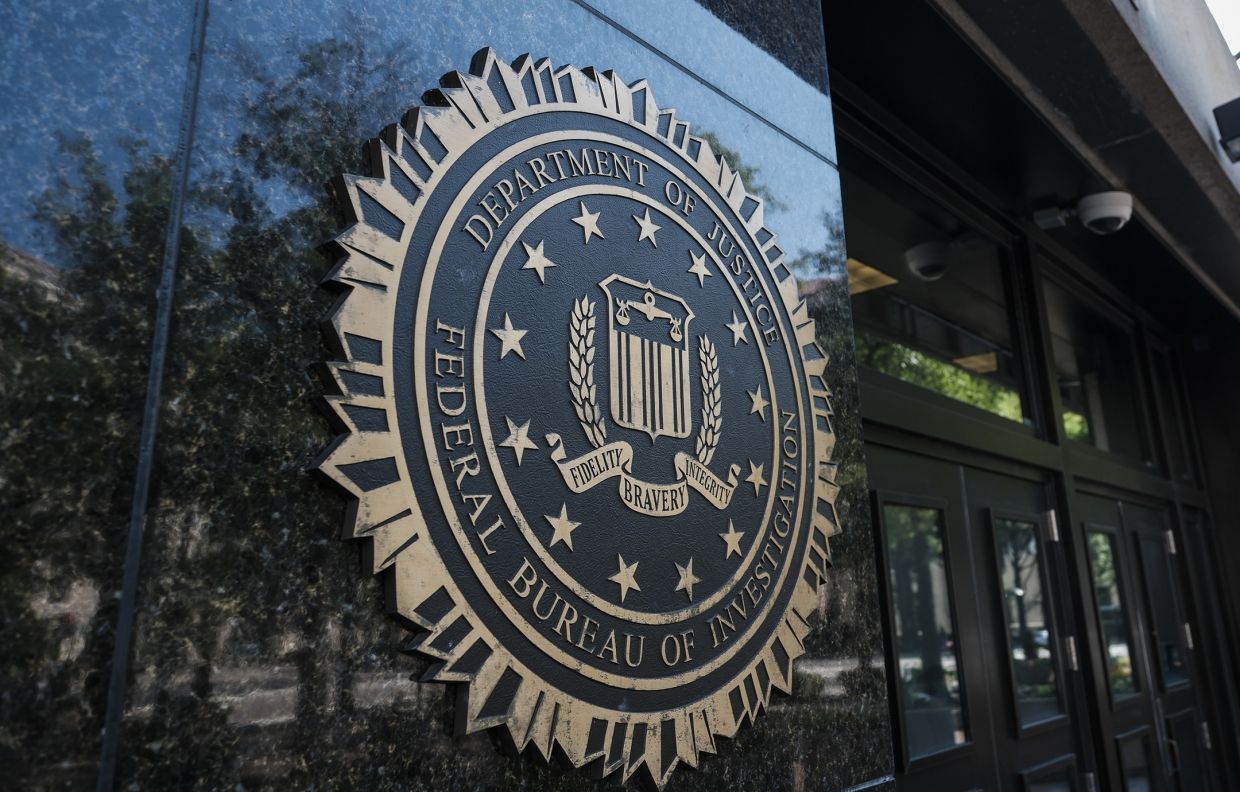
A high-ranking FBI agent stationed in Washington has found himself on the wrong side of the law after admitting to stealing cryptocurrency that had been seized as evidence in an active investigation. Patrick Yaroch, who held the rank of supervisory agent, made the shocking confession after what investigators characterised as a moral awakening, ultimately deciding to reveal his actions to colleagues at the Justice Department rather than remain silent about the scheme.
The circumstances surrounding Yaroch's admission paint a picture of an official wrestling with his conscience. According to an affidavit filed in the case, Yaroch disclosed his theft to an unnamed colleague within the Justice Department, explaining that the matter was "eating him up inside" and that he felt compelled to "get it off his chest." This voluntary disclosure, though ultimately leading to his arrest, suggests an internal conflict that eventually overcame whatever motivation had driven him to misappropriate the funds in the first place. The decision to confess rather than cover his tracks demonstrates a degree of moral reckoning that, while insufficient to prevent legal consequences, distinguished his case from many white-collar crimes involving concealment.
Investigators examining Yaroch's cryptocurrency wallet discovered evidence of systematic theft spanning the latter part of 2024 and into early 2025. The agent had conducted between ten and twelve separate withdrawals from the account, utilising a pass phrase that the FBI had legitimately obtained during its investigation into another individual. When authorities scrutinised the wallet, they uncovered approximately one million dollars—considerably more than the amount Yaroch himself claimed to have taken. This discrepancy raised questions about whether Yaroch's own recollection was accurate or whether the actual theft exceeded his understanding of the total sum involved.
Yaroch's motivation, as disclosed to colleagues, centred on frustration with institutional limitations. He told others that he had been "spinning out of control" and expressed dissatisfaction that "the FBI could not or would not act against adversarial cryptocurrency accounts." This rationale provides insight into how an established federal agent might justify serious criminal conduct—through a lens of organisational failure and perceived injustice. Rather than viewing his actions as theft, Yaroch appeared to frame them through the prism of bureaucratic dysfunction, suggesting he believed the system itself was failing to address cryptocurrency-related threats adequately.
The timing of Yaroch's arrest raised procedural questions about the investigation's progression. Though the agent had been cooperating with federal investigators and indicated his intention to continue doing so on August 3, after consulting with legal counsel, FBI officials made the decision over a weekend to search his residence and take him into custody. Notably, the charging papers at the time focused on possession of stolen property rather than the act of stealing itself—a distinction that prosecutors may have adopted to expedite his arrest while the investigation remained ongoing.
Court documents reveal that Yaroch had engaged in planning that extended well beyond the immediate theft itself. Internet activity records showed that in May, the agent had queried ChatGPT about investment strategies for one million dollars, with specific life goals in mind. His queries reflected aspirations toward early retirement around age forty and a desire to establish a slower-paced lifestyle involving viticulture and agriculture in picturesque European locations such as Cilento or Portugal's Dao region. These searches suggest that Yaroch may have viewed the stolen cryptocurrency as a means to fund a radical lifestyle change rather than as a temporary emergency measure.
The case presents a concerning vulnerability within federal law enforcement—the ability of agents with legitimate access to seized assets and investigative tools to exploit that position for personal gain. Yaroch's supervisory status meant he likely possessed greater access and fewer oversight constraints than junior agents would have encountered. His knowledge of the pass phrase system and cryptocurrency procedures, combined with his authority within the bureau, created an opportunity that he ultimately acted upon, albeit with eventual remorse.
For Malaysia and the Southeast Asian region, this incident underscores the complexity of cryptocurrency crime and the institutional challenges agencies face when managing digital assets. As regional law enforcement bodies increasingly encounter seized cryptocurrencies in investigations—particularly related to money laundering, fraud, and transnational crime—the Yaroch case demonstrates that internal controls and oversight mechanisms must be robust. The sophistication required to steal digital assets from federal custody suggests that dedicated expertise exists within enforcement agencies, but that same expertise can become a liability if proper safeguards are absent.
The broader implications extend to trust in financial institutions and regulatory bodies across Asia. If even established, well-resourced agencies like the FBI struggle to prevent internal theft of digital assets, smaller or less well-equipped regional authorities may face amplified challenges. The case also highlights the psychological dimensions of white-collar crime—how institutional frustration, access to substantial sums, and life aspirations can converge to produce serious criminal conduct among professionals who ought to be beyond reproach.
As of the latest court filings, Yaroch had not been formally charged with the theft itself, a procedural fact that observers attributed to the rapid pace of the investigation. His legal representation had not yet been publicly identified, leaving the matter at an early stage of the criminal process. The case remains instructive for enforcement agencies worldwide grappling with the challenge of securing digital assets and maintaining integrity among personnel entrusted with their custody.

