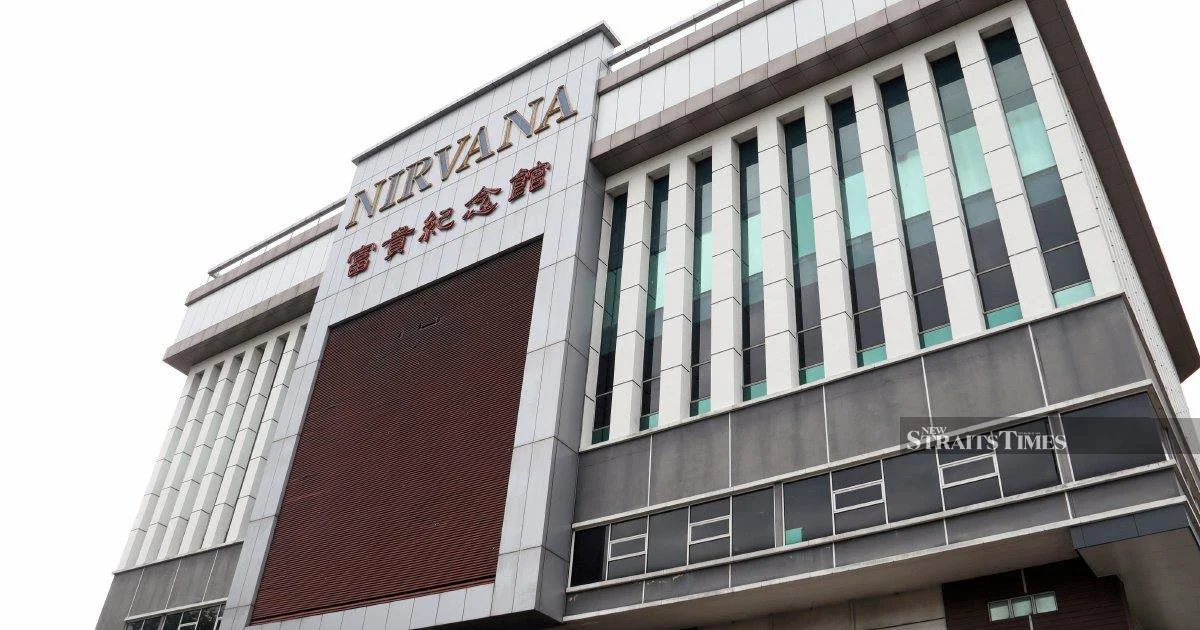
A grieving family in Shah Alam has initiated legal proceedings against Nirvana Memorial Park (Shah Alam) Sdn Bhd, accusing the facility of gross negligence after two urns containing their parents' cremated remains vanished from the columbarium in January. The lawsuit represents a significant development in what many Malaysians regard as a deeply troubling breach of trust, as memorial parks hold sacred responsibilities in maintaining the dignity and security of their clients' final resting places.
The disappearance of cremated remains raises urgent questions about security protocols at commercial columbaria across Malaysia. Family members entrust these facilities not merely with physical property but with deeply personal and irreplaceable items that carry profound spiritual and emotional significance. The incident at Nirvana Memorial Park serves as a stark reminder that such institutions must implement robust safeguarding measures befitting the sensitive nature of their services.
The timing of the alleged theft in January suggests the family discovered the loss several months ago, yet the case is only now moving through the legal system. This delay, whether due to investigation processes or family deliberation, underscores how challenging it can be for grieving families to navigate both their emotional trauma and the technical aspects of pursuing accountability. The decision to pursue litigation indicates the family has exhausted other avenues of resolution with the memorial park operator.
In Malaysia's growing sector of funeral and memorial services, incidents like this expose potential regulatory gaps. While the industry continues expanding to meet demand from an aging population and increasing cremation preferences, oversight mechanisms may not have kept pace. Families placing their trust in these establishments expect industry-standard security systems, including surveillance cameras, access controls, and proper documentation of stored remains. Any failure in these areas constitutes negligence that directly impacts vulnerable individuals during their most difficult times.
The legal claim of negligence typically requires demonstrating that the memorial park failed to exercise reasonable care in protecting the stored urns. This could involve examining whether adequate security measures existed, whether staff were properly trained in handling procedures, whether access logs were maintained, and whether the facility had insurance or indemnification protocols in place. The burden of proof will likely focus on what precautions a reasonably prudent columbarium operator would implement.
Beyond the immediate family, this lawsuit carries implications for all Malaysians who have entrusted cremated remains to such facilities. Consumer confidence in memorial parks depends fundamentally on the belief that these institutions can be held accountable when things go wrong. The court proceedings will establish important precedent regarding industry standards and the legal obligations that memorial park operators must fulfill. A successful case could force comprehensive security upgrades across the sector.
The spiritual and cultural dimensions of this case deserve consideration as well. For many Malaysian families, regardless of their religious or cultural background, the proper custody and veneration of deceased parents' remains represents a fundamental filial duty. The loss of these ashes inflicts a unique form of harm that extends beyond mere property damage. Courts may need to grapple with how to value such losses and provide appropriate remedies when conventional compensation mechanisms prove inadequate.
From an insurance and liability perspective, the case raises questions about what coverage memorial park operators carry and whether existing policies adequately protect families against theft or loss. Insurance frameworks should incentivize facilities to maintain high security standards, creating a market mechanism that drives industry-wide improvements. If operators cannot easily obtain insurance or face prohibitive premiums due to poor security records, they will be motivated to upgrade systems and training.
The investigation into how the urns disappeared will likely reveal much about the specific circumstances at Nirvana Memorial Park's Shah Alam location. Whether the theft was committed by an outsider exploiting security weaknesses or by someone with legitimate access to the facility will substantially influence how courts assess the negligence claim. The family's legal team will presumably examine surveillance footage, staffing records, visitor logs, and facility maintenance schedules to build their case.
For other memorial park operators in Malaysia, this lawsuit should serve as a wake-up call to audit their own security arrangements. Industry associations may need to establish binding standards for columbarium security, staff vetting, and documentation procedures. Regulatory bodies overseeing funeral and memorial services should consider whether current licensing requirements adequately address these concerns or whether enhanced standards are necessary.
The broader context includes Malaysia's demographic trajectory, with an aging population creating growing demand for funeral services and cremation facilities. As this sector expands, ensuring professional standards and accountability becomes increasingly important. Families deserve assurance that when they choose cremation and columbarium storage, their trust will be honored through proper security and care protocols.
This case will likely take months or longer to progress through the legal system, but the outcome could reshape how memorial parks operate across the country. Whether through court-ordered remedies, regulatory changes, or industry self-regulation, the incident has already catalyzed necessary conversations about protecting Malaysian families' most sacred trusts. The lawsuit represents not merely one family's pursuit of justice, but potentially a turning point in how the nation's memorial services industry is held to account.

