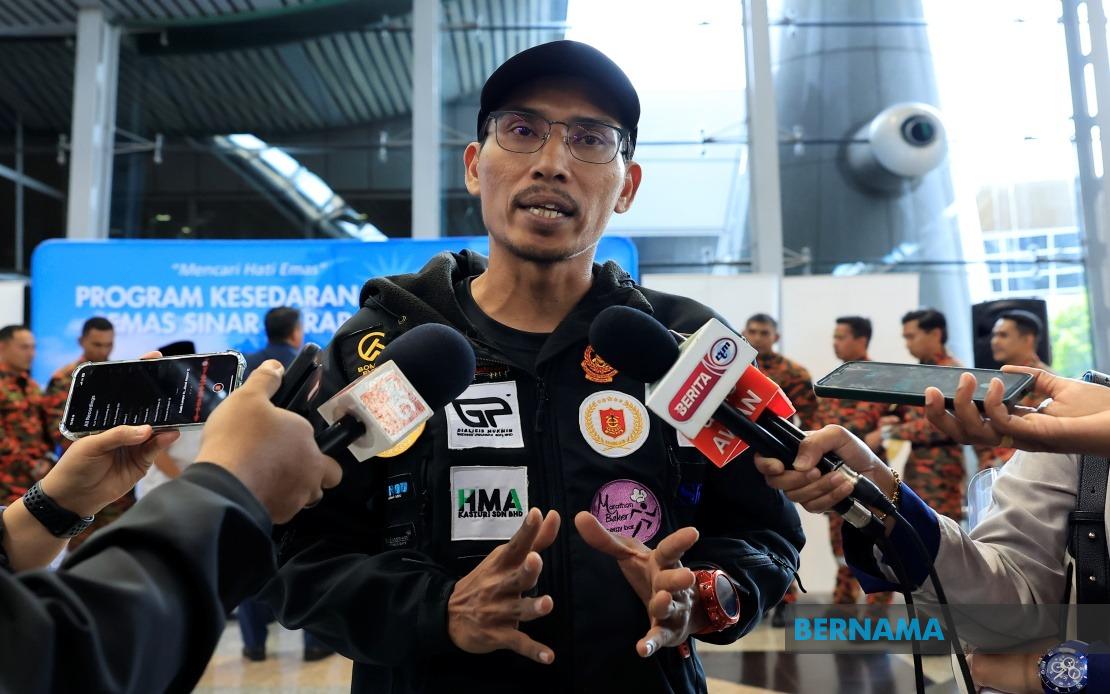
The family of Mohd Fakhrul Munir Mohd Isa, a 44-year-old special forces member with Malaysia's Fire and Rescue Department, remains cautiously optimistic about his chances despite a week passing since communication ceased following catastrophic flash floods and landslides in Rasuwa, Nepal. Known professionally as Loe, the experienced mountaineer was part of a 10-member Malaysian expedition group trekking towards Everest Base Camp when the disaster struck, leaving two Malaysian officers unaccounted for and raising concerns across Southeast Asia's disaster response community.
Spoken to by media on August 28, his brother Mohd Saiful Munir Mohd Isa, 46, articulated the family's determination to maintain positive expectations while simultaneously bracing for potentially devastating outcomes. The sibling, who works as an operations officer at Port Klang Fire and Rescue Station, expressed confidence that the complete loss of contact stemmed directly from the environmental catastrophe affecting the region rather than indicating a worst-case scenario. This measured perspective reflects both the family's understanding of communications infrastructure in remote mountain terrain and their familiarity with their relative's adventurous pursuits in challenging environments.
Mohd Fakhrul Munir's reputation as a serious mountaineer and accomplished climber meant that regular expeditions to Nepal formed a natural part of his lifestyle. His brother disclosed that the missing firefighter visited Nepal frequently—typically three to five occasions annually—treating the Himalayan nation almost as a second home base for his climbing endeavours. This pattern of repeated visits underscored that the expedition should not be considered extraordinary or particularly risky by the family's assessment, representing instead a continuation of established pursuits that had previously presented no cause for alarm.
The last direct contact between the brothers occurred approximately one week before the trip commenced, leaving the family without recent communication to provide updated details or indications of his condition. Based on the documented itinerary that the expedition group was following, analysis suggested that the party would have been positioned within valley areas precisely when the flash floods and associated landslides occurred, effectively trapping them in the disaster zone and preventing escape or emergency communications. Mohd Saiful Munir characterised this situation as one where his brother remained essentially stranded by natural forces rather than facing alternative misfortunes, a framing that emphasised the temporary and circumstantial nature of their separation.
The Malaysian Fire and Rescue Department's director-general, Datuk Seri Nor Hisham Mohammad, formally identified Mohd Fakhrul Munir Mohd Isa alongside Planning and Research Division deputy director Mohd Sani Harul as the two JBPM officers unaccounted for following the Nepal incident. This official confirmation elevated the situation from personal family concern to a matter of national institutional significance, as both individuals held substantive positions within Malaysia's disaster response apparatus. The irony was not lost—professional emergency responders found themselves unable to respond to or escape from their own emergency, highlighting the unpredictable and indiscriminate nature of natural disasters that respect neither professional qualifications nor governmental authority.
Mohd Saiful Munir indicated that the family had consciously adopted a strategy of relying exclusively on official communications channels and verified information from relevant authorities rather than speculating based on media reports or social media rumours. This disciplined approach reflected not only the family's emotional maturity during crisis but also their understanding of how disaster situations develop and how information becomes progressively clarified over time. The brother's explicit statement that he would "only rely on official information from the authorities" positioned the family as partners with government agencies in managing the unfolding situation professionally.
The emotional strain underlying Mohd Saiful Munir's composed public statements emerged most clearly in his acknowledgment that the family must simultaneously maintain hope while preparing themselves for tragic possibilities. He articulated the difficult psychological position of accepting that outcomes could turn negative, a necessary emotional preparation for families enduring extended uncertainty about missing loved ones in disaster zones. This balanced perspective—neither surrendering to despair nor engaging in unrealistic optimism—represented a mature coping mechanism that many families of missing disaster victims eventually adopt after initial shock subsides.
Beyond the personal dimension, this incident highlighted the risks faced by Malaysian adventurers and professionals engaged in high-altitude mountaineering across the Himalayan region. Nepal's monsoon season creates treacherous conditions in mountain valleys, where rapidly rising water levels and geological instability can transform scenic trekking routes into death traps within minutes. The Rasuwa district, lying at elevations where Western trekkers frequently congregate on Everest-bound expeditions, had suddenly demonstrated its lethal potential to both experienced climbers and casual tourists alike, serving as a stark reminder of nature's indifference to human expertise or preparation.
The Malaysian government's institutional response through the Fire and Rescue Department underscored the seriousness with which Kuala Lumpur was treating the situation. With two departmental officers among the missing, coordination between Malaysian authorities and Nepalese counterparts became essential, potentially involving diplomatic channels and international rescue coordination mechanisms. The incident raised questions about adequate safety protocols for government personnel undertaking high-risk mountaineering activities, insurance coverage, and pre-departure risk assessment procedures that organizations must implement before authorizing staff participation in such expeditions.
For Malaysian readers and the broader Southeast Asian community, the situation exemplified how globalisation and adventuring aspirations brought nationals into contact with natural hazards across the region. Nepal's popularity as a trekking destination meant that Malaysians regularly traversed areas vulnerable to monsoon-season disasters. The incident prompted reflection on whether adequate pre-departure briefings, emergency communication systems, and evacuation protocols were being consistently implemented by expedition organisers, travel companies, and government agencies responsible for citizen safety abroad.
As search and rescue operations continued in the aftermath of the Rasuwa flooding, the family's decision to maintain composure and public grace under extraordinary pressure reflected values that would resonate across Malaysian society. Their insistence on relying on verified information and avoiding premature speculation modeled responsible conduct during media-saturated crises. The unfolding situation remained fluid, with each passing day adding complexity to rescue efforts in challenging terrain where weather, accessibility, and the scale of destruction all complicated systematic search procedures that would ultimately determine outcomes for the missing members of the Malaysian expedition group.

