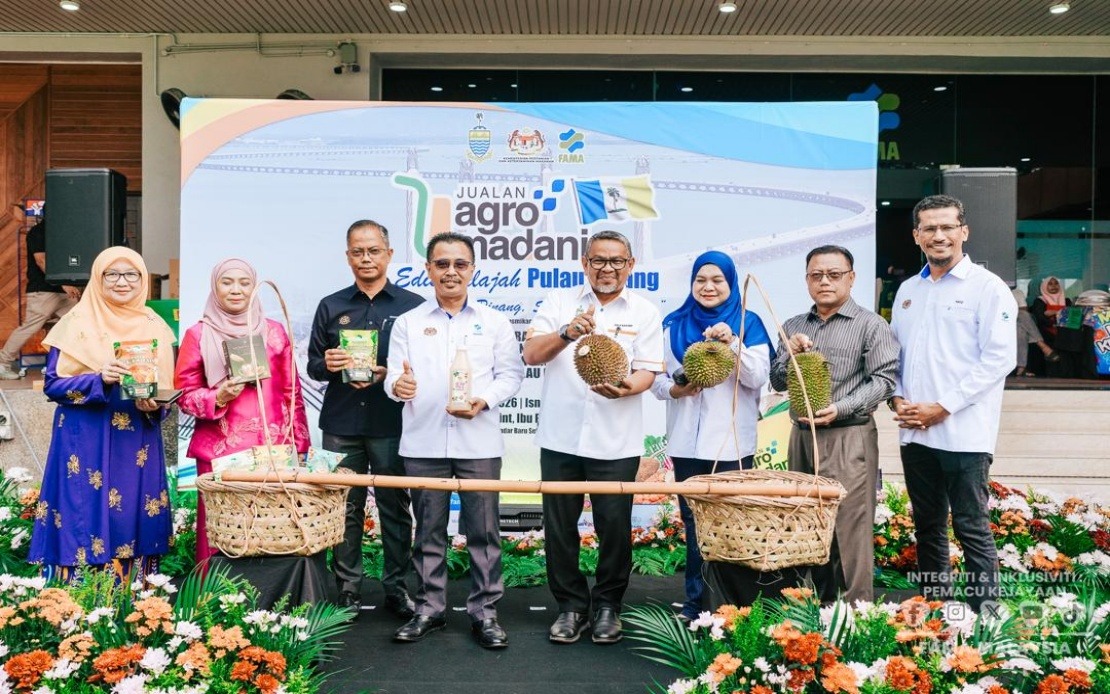
Malaysia's Federal Agricultural Marketing Authority (FAMA) has demonstrated strong momentum in supporting the nation's agricultural entrepreneurs through its Agro MADANI Sales (JAM) programme, which generated RM46.72 million in revenue during the January to May period this year. The initiative, executed through 1,833 separate marketing events held across the country, represents a concerted effort to reshape how locally-produced agricultural and food items reach Malaysian consumers while providing direct market access to small and medium-sized enterprise operators in the farming and agri-business sectors.
The success of the JAM programme underscores FAMA's broader strategic mission to fortify every link in Malaysia's agri-food supply chain. By creating dedicated marketplace platforms rather than relying solely on traditional retail channels, the authority has engineered a system where farmers, producers, and value-added food manufacturers can bypass middlemen and interact directly with end consumers. This structural approach addresses persistent challenges within the agricultural sector, where producers historically struggle with distribution networks and price margins are eroded by intermediaries.
Beyond the raw financial figures, the programme's architecture reveals an understanding that rural economic development in Malaysia requires more than simple price subsidies or production incentives. By generating visibility for locally-branded products and creating regular, predictable sales opportunities, FAMA has created a framework where agricultural entrepreneurs can build brand recognition and consumer loyalty. For Malaysian shoppers, the initiative promises access to premium produce at competitive prices while supporting domestic farming communities.
The Penang edition of the JAM programme, launched in collaboration with the state government at FAMA's Selayang headquarters, exemplifies how the initiative extends beyond Kuala Lumpur and the Klang Valley. This third major event featured 45 designated sales lots operated by 30 Penang-based entrepreneurs, targeting 2,000 visitors and setting a sales goal of RM100,000. The involvement of state-level officials, including Penang Rural Development, Agrotechnology, Food Security and Cooperatives Committee Exco Datuk Rashidi Zinol, signals that the programme has gained traction beyond federal ministries and enjoys buy-in from regional governments concerned with local economic development.
Penang's participation highlights the programme's capacity to highlight state-specific agricultural strengths and culinary traditions. The event showcased premium durian varieties including Balik Pulau produce and specialist cultivars such as Black Thorn, Red Prawn, and Hor Lor, alongside other tropical fruits like Cempedak King. By featuring products with geographic distinctiveness and quality reputations, the JAM platform allows producers to market products as premium offerings rather than commodity items, potentially commanding higher prices and strengthening producer incomes.
The integration of food and beverage alongside fresh produce demonstrates sophisticated event curation. By offering iconic Penang dishes such as nasi kandar, char kuey teow, Penang laksa, mee sotong, and traditional air sarbat, the programme transforms marketplace events into cultural experiences that draw broader audiences. This approach increases foot traffic while creating opportunities for agri-businesses to introduce consumers to value-added products derived from local agricultural inputs, supporting the shift toward higher-margin food manufacturing within farming communities.
Coordination between FAMA and the Penang Bumiputera Development Council represents an important dimension of the programme's design. By incorporating entrepreneurship development initiatives specifically targeting Bumiputera-owned businesses, the programme aligns with affirmative action objectives while building capacity within communities that historically faced barriers to market access. This targeted approach recognizes that market access alone cannot succeed without parallel support for business management, product development, and quality assurance.
For Southeast Asian context, Malaysia's approach through FAMA offers a regional template for agricultural modernization that prioritizes producer welfare alongside consumer access. Many neighbouring countries struggle with similar challenges of connecting smallholder farmers to urban markets while maintaining price competitiveness. The frequency and scale of the JAM programme—1,833 events in five months—suggests an operational model that could potentially be adapted or replicated elsewhere in the region, provided similar institutional capacity exists.
The programme's emphasis on affordability while maintaining quality standards addresses a crucial tension in agricultural marketing. Malaysian consumers increasingly demand both competitive pricing and assurances of freshness and quality, particularly for produce marketed as direct-from-producer. By creating branded events where FAMA's reputation stands behind the products, the authority mitigates information asymmetries that typically disadvantage small producers attempting to access urban retail channels.
Looking forward, the RM46.72 million achievement establishes a baseline against which FAMA can measure growth in subsequent periods. The question of scalability becomes central—whether the programme can expand beyond current event frequency and geographic reach without compromising operational quality or diluting producer benefits. Additionally, the sustainability of producer participation depends on consistent profitability; events must generate sufficient margins for entrepreneurs to justify their attendance costs and time investment.
The collaboration between FAMA, state governments, and specialized agencies like the Penang Bumiputera Development Council suggests that programme expansion will likely follow similar partnership models elsewhere. Sarawak, Sabah, Johor, and Kedah represent opportunities for geographic growth, each with distinct agricultural specialties and producer bases that could be showcased through region-specific JAM events. For Malaysian agricultural policy, the early performance metrics indicate that direct-to-consumer marketing platforms merit continued investment and strategic prioritization.
As Malaysia navigates broader economic challenges and inflation pressures affecting both producers and consumers, programmes like JAM that address supply-chain efficiency and direct producer-consumer connections gain particular relevance. By reducing distribution costs and market intermediaries, such initiatives contribute to price stability while strengthening rural incomes—dual objectives that remain central to agricultural policy across the region. The RM46.72 million in sales across five months represents not merely a financial achievement but evidence that carefully designed market interventions can create genuine value for multiple stakeholders simultaneously.

