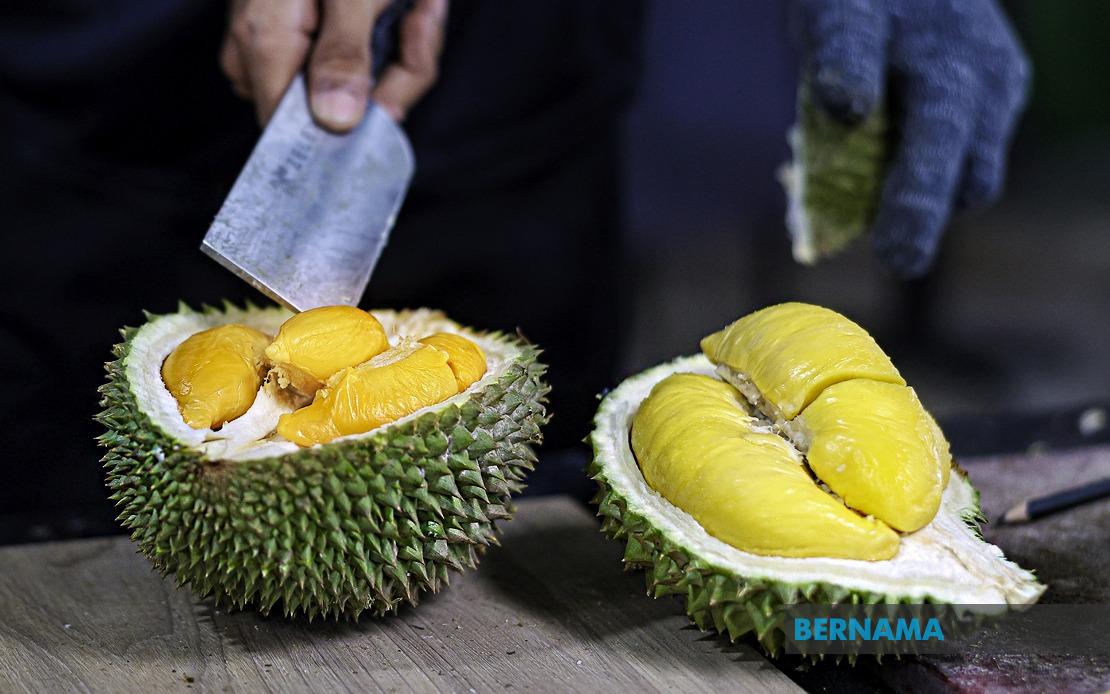
The Federal Agricultural Marketing Authority (FAMA) is mounting a concerted push to promote Penang's durian harvest through an expanded marketing and intervention strategy aimed at the 2026 season. Speaking at the opening of the Penang Durian Festival in Nibong Tebal on June 28, the state FAMA director Mohd Hafiz Nurulhuda outlined the agency's multi-pronged approach to managing the surge in local production while maintaining price stability for growers during the critical June-to-August marketing window.
Penang's durian output is forecast to reach over 18,000 metric tonnes this year, representing a modest increase from approximately 17,000 metric tonnes recorded in the previous season. While this uptick reflects growing productivity across the state's orchards, Mohd Hafiz emphasised that Penang's particular market position remains relatively insulated from the broader regional oversupply pressures affecting major durian-producing states. The distinction stems from Penang's production profile: roughly 70 per cent of the state's crop comprises premium varieties that command stronger prices, with only about 30 per cent consisting of the more price-sensitive kampung durian category.
The price environment for high-grade durians remains reassuring for producers. Premium cultivars such as Black Thorn and Musang King have maintained steady valuations in the RM30 to RM40 per kilogramme range, demonstrating consistent demand at the upper end of the market. This stability is crucial for Penang's reputation as a premium durian destination and provides growers with predictable revenue expectations. The resilience of premium variety pricing contrasts with potential vulnerability in the lower-priced segments, where oversupply conditions in neighbouring states could exert downward pressure.
To shield growers from price volatility, FAMA has instituted a protective floor-pricing mechanism for kampung durian. Under a forward purchasing agreement, the authority has committed to acquiring approximately 85 metric tonnes of durian, with a guaranteed floor price of RM2.70 per kilogramme for kampung varieties should market prices decline below that threshold. This intervention serves as a crucial safety net for smallholder producers who lack the scale or market access of larger commercial operations, ensuring a minimum viable income during periods of excess supply.
Infrastructure development forms a second pillar of FAMA's strategy. The authority has established two temporary collection and aggregation centres in Balik Pulau and Seberang Jaya, strategically positioned to consolidate harvest from dispersed orchard locations. These facilities have already channelled approximately 50 metric tonnes of durian to market this season, demonstrating their operational effectiveness in reducing post-harvest losses and improving supply chain efficiency. By concentrating produce at these hubs, FAMA can better manage quality control, standardisation, and logistics.
Market expansion initiatives complement these supply-side measures. FAMA has distributed 310 metric tonnes of durian through its established marketing outlets, extending the geographical reach of Penang's produce beyond traditional sales channels. Significantly, the agency has also enlarged direct sales operations into the Klang Valley, Malaysia's largest and most densely populated consumer market. This expansion reflects recognition that domestic demand in the central region remains strong and offers lucrative opportunities for premium regional suppliers willing to invest in logistics and market development.
Beyond immediate marketing tactics, FAMA is pursuing longer-term positioning strategies to solidify Penang's standing in Malaysia's premium durian sector. The authority is developing agro-tourism initiatives that leverage the state's natural advantages and growing reputation among domestic and regional consumers seeking authentic durian experiences. These projects aim to create added-value activities around durian consumption and cultivation, generating revenue streams beyond simple commodity sales while raising brand awareness and consumer loyalty.
Orchard modernisation and facility upgrades represent a parallel track of FAMA's medium-term vision. By enhancing production infrastructure and post-harvest handling capabilities, the authority seeks to lift Penang's competitive advantage in both quality and consistency. Such investments signal confidence in the sector's future and encourage private growers to adopt similar improvements, creating a virtuous cycle of productivity and reputation enhancement.
The intervention plan was unveiled during the Penang Durian Festival and the launch of the Road to MAHA 2026 programme, events that reflect the state government's commitment to agricultural promotion. Chief Minister Chow Kon Yeow's participation underscores the political significance of agriculture in Penang's economy and the administration's determination to support rural livelihoods. These public endorsements help build consumer confidence in local produce and signal that durian farming remains a viable and supported enterprise within the state.
For Malaysian consumers and industry observers, Penang's coordinated approach illustrates how targeted intervention can stabilise commodity markets while preserving grower incomes. The model combining price floors, infrastructure investment, and demand expansion offers lessons for other agricultural sectors facing cyclical oversupply. Whether FAMA's efforts can sustain premium positioning as production continues rising will be closely watched by stakeholders across Southeast Asia's durian trade, where Penang increasingly competes with established powerhouses in Thailand and Vietnam.

