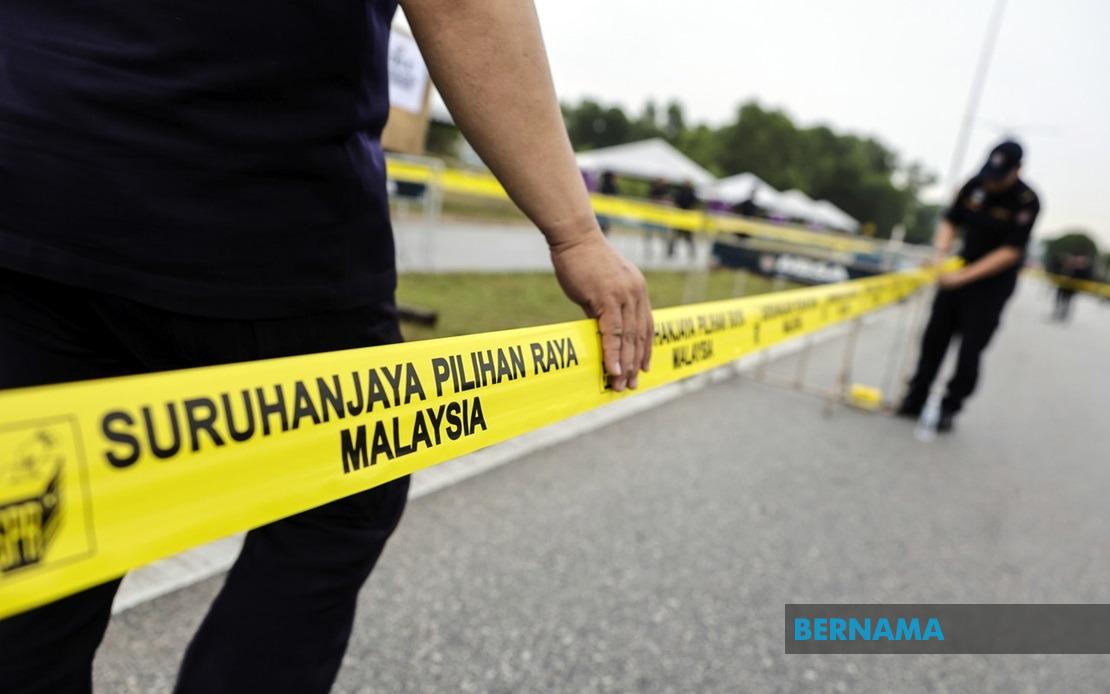
Negeri Sembilan voters and electoral participants can expect generally favourable weather conditions during tomorrow's nomination period, though an afternoon shift towards thunderstorms will require precautions, the Malaysian Meteorological Department has forecast. Dr Mohd Hisham Mohd Anip, the department's director-general, indicated that the morning hours—when the nomination process unfolds at eight centres between 9 am and 10 am—should see predominantly clear skies across most of the state. However, Port Dickson and Seremban are likely to experience rain earlier in the day, meaning candidates and supporters in the state capital should prepare accordingly.
The meteorological outlook takes on particular significance given the scale of the nomination exercise scheduled for July 18. With the Negeri Sembilan State Legislative Assembly comprised of 36 seats and nearly 900,000 registered voters participating in the electoral process, the smooth execution of nomination procedures depends partly on manageable weather conditions. The nomination centres will process candidate registrations during a compressed two-hour window, making afternoon weather disruptions less problematic for the formal nomination phase itself, though they could affect subsequent candidate announcement ceremonies and campaign activities.
Districts anticipated to benefit from fair morning conditions include Jelebu, Jempol, Kuala Pilah, Rembau and Tampin. These five constituencies, scattered across different regions of the state, represent a significant portion of the electoral landscape. The contrast with Port Dickson and Seremban, where rain is expected regardless of time of day, suggests a geographical pattern of weather distribution that residents of those areas should anticipate when planning their presence at nomination centres or conducting campaign-related activities.
The afternoon forecast presents a more uniform picture across the state. Thunderstorms are expected to develop across most districts as the day progresses, a typical pattern for July weather in Peninsular Malaysia. However, Dr Mohd Hisham provided reassuring detail about the nature of these storms, characterizing them as temporary interruptions rather than sustained deluge. He emphasised that the rainfall will constitute brief passing showers, the sort that clear relatively quickly without generating the waterlogging or disruption that prolonged heavy downpours would produce. This distinction matters considerably for evening campaign events or outdoor gatherings planned by competing coalitions.
Temperature readings are expected to remain within typical ranges for mid-July in the state. Minimum temperatures will hover between 23 and 24 degrees Celsius, while maximum values should reach 32 to 33 degrees Celsius. These moderate extremes suggest that despite the moisture in the atmosphere, the heat will not become oppressive—a factor relevant for candidates, workers and supporters who will be on their feet throughout the nomination period and beyond. The combination of warm daytime temperatures and afternoon showers creates the classic tropical weather pattern that Malaysians know well, though election day organisers typically prepare contingencies for precisely these conditions.
The nomination process itself represents a crucial juncture in Negeri Sembilan's electoral calendar. Following the dissolution of the State Legislative Assembly on June 5, the Election Commission has scheduled July 28 for early voting and August 1 for the main polling day. This compressed timeline means that nomination day effectively launches the formal campaign period, with candidates confirmed at each centre needing to maximise their visibility and messaging during the days immediately following. Weather-related disruptions could theoretically impact their ability to conduct initial campaign activities, making the afternoon thunderstorm forecast something to plan around rather than dismiss.
The electoral roll reflects a substantial participation base for this election. A total of 889,490 voters are registered to cast ballots, comprising 867,151 ordinary voters alongside 16,884 military personnel and their spouses, plus 5,455 police officers eligible for early voting. This size of electorate means that the nomination proceedings will process a high volume of candidate applications and validations, with eight nomination centres working in parallel to manage the workload. Logistical efficiency depends partly on steady operating conditions, though the weather forecast suggests that morning operations should proceed without meteorological impediment.
The political competition crystallising through these nominations reflects a broadly three-way contest. Pakatan Harapan fields 36 candidates across all seats, with PKR contesting 16 constituencies, DAP 11 and Amanah nine. Barisan Nasional presents 25 candidates: 16 from UMNO, seven from MCA and two from MIC. Perikatan Nasional contests 11 seats through a coalition including five PAS candidates, four from Wawasan, one from Gerakan and one from MIPP. Smaller parties including ASLI, PSM and Berjasa have also entered candidates, while Bersatu is expected to announce its slate today. This fragmentation across multiple parties and coalitions means that nomination day will process a complex ballast of candidacies, all requiring proper documentation and verification under whatever weather conditions prevail.
For candidates, campaign workers and election officials, the meteorological guidance carries practical implications. Those gathering in Port Dickson and Seremban should arrive prepared for rain at any point during the day, while counterparts in other districts can likely conduct morning activities without weather protection. The universal afternoon thunderstorm forecast means that anyone planning events or gatherings after the nomination ceremony should either relocate indoors or schedule activities to conclude before mid-afternoon. MetMalaysia has advised all stakeholders to monitor its website throughout the day for updated forecasts, a prudent approach given the potential for weather conditions to shift from initial predictions.
The scale of this election—encompassing 36 state seats, nearly 900,000 voters and campaigns spanning multiple coalitions and independent candidates—depends on countless logistical details executing properly. Weather represents just one variable, yet one that affects voter behaviour, campaign operations and the physical comfort of those participating in the democratic process. While the forecast for July 18 presents manageable conditions overall, with morning operations likely unimpeded and afternoon disruptions confined to passing showers, the meteorological department's guidance underscores the value of advance planning and flexibility as political actors prepare for what figures to be a closely contested election.

