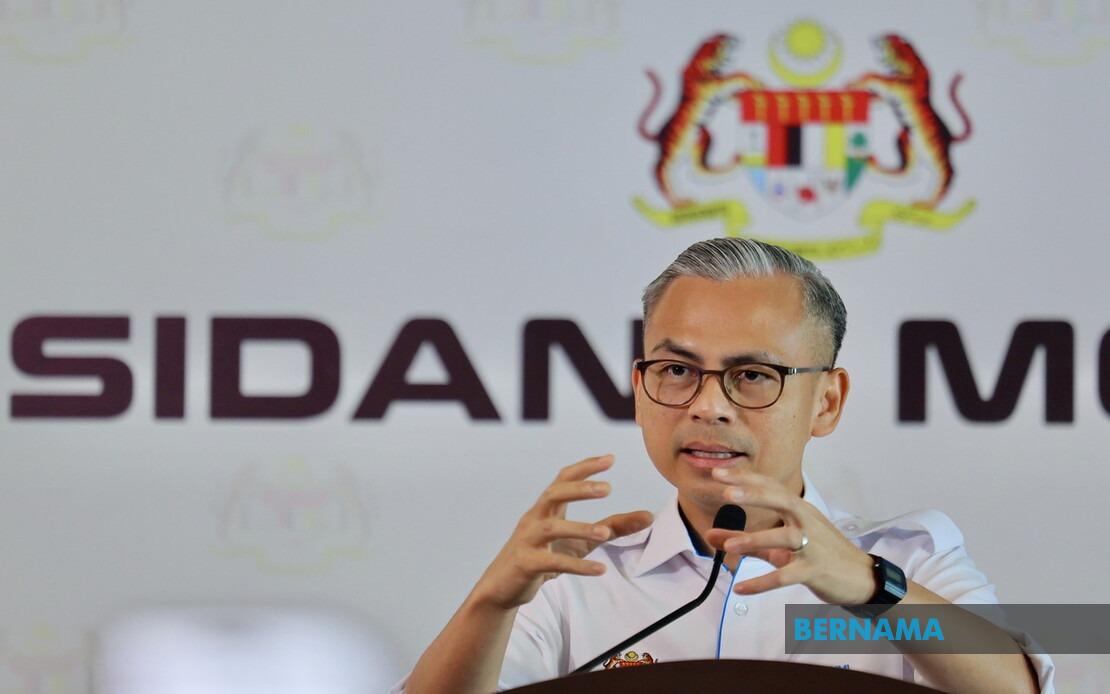
Communications Minister Datuk Seri Fahmi Fadzil has issued a rallying call for Malaysians to unite around shared values of patriotism and mutual respect as the nation prepares to mark its National Day and Malaysia Day celebrations. In a message posted through Berita RTM's X account, Fahmi underscored that the independence Malaysians enjoy today stands as a testament to the sacrifices and struggles borne by earlier generations, whose legacy deserves recognition and preservation.
The minister's appeal arrives at a moment when Malaysia continues navigating complex social and economic dynamics. His emphasis on cross-communal solidarity—transcending divisions of race, religion, culture and socioeconomic background—reflects a broader governmental push to reinforce the social cohesion that underpins national stability. This framing echoes longstanding Malaysian political discourse around the social contract and national harmony, albeit with contemporary nuance around inclusive prosperity.
Central to Fahmi's message is the concept of shared responsibility in national development. Rather than presenting progress as a top-down initiative, his statement positions economic and social advancement as a collective undertaking requiring participation and commitment from all Malaysians. This rhetorical shift carries particular significance given ongoing debates within Malaysia about wealth distribution, regional development disparities, and the effectiveness of government programmes in reaching marginalised communities.
The 2026 theme, "Malaysia MADANI: Kesejahteraan Dinikmati" (Malaysia MADANI: Shared Prosperity Enjoyed), provides the conceptual framework for this year's commemorations. MADANI, an acronym reflecting the government's development philosophy, emphasises humanistic values and inclusive growth. By selecting a theme centred on prosperity being "enjoyed" or "shared," policymakers signal commitment to ensuring that national development translates into tangible benefits for ordinary Malaysians across all demographic groups and geographic locations.
For a Malaysian audience, Fahmi's emphasis on mutual respect and harmony carries particular resonance given the nation's multicultural composition and historical experience. Malaysia's founding compact rested on delicate balances between different communities, and periodic tensions around religious expression, vernacular education, and economic opportunity continue to test these arrangements. Messaging from senior government officials that foregrounds unity and inclusivity therefore serves both symbolic and practical functions in reinforcing social glue.
The minister's expression of hope that Malaysia will "continue to progress as a united nation and command respect on the global stage" situates domestic harmony within an international context. This framing acknowledges that national cohesion directly influences Malaysia's diplomatic standing and economic competitiveness in regional and global markets. The notion that prosperity and international standing depend on internal unity provides additional motivation for cross-community cooperation beyond appeals to abstract patriotism.
Fahmi's call for Malaysians to "ignite the spirit of patriotism" employs language that bridges generational experience. Older Malaysians may connect this invocation to the independence struggle and early nation-building efforts, while younger citizens potentially interpret patriotism through contemporary lenses of sustainable development, technological advancement, and regional integration. This semantic flexibility allows the message to resonate across demographic divides.
The timing of these remarks, ahead of dual commemorations of National Day and Malaysia Day, acknowledges the distinct narratives embedded in each observance. National Day marks independence from colonial rule on August 31, 1957, while Malaysia Day on September 16 celebrates the formation of the Malaysian federation in 1963 through the merger of Malaya, Sabah, Sarawak and Singapore (which later departed). Invoking both simultaneously underscores continuity in the nation's trajectory while recognising regional particularities within the broader Malaysian framework.
For Southeast Asian observers, Fahmi's emphasis on unity amid diversity speaks to challenges faced across the region. Many neighbouring nations grapple with similar questions around balancing economic development with social cohesion, managing pluralistic societies, and projecting coherent identities internationally. Malaysia's approach, articulated through official messaging, offers one model for how multiethnic democracies attempt to navigate these tensions.
The minister's framing also implicitly addresses potential critiques regarding governance effectiveness and resource allocation. By positioning development as a shared responsibility requiring collective effort, the government invites Malaysians to view themselves as stakeholders in national outcomes rather than passive beneficiaries or critics. This rhetorical strategy, whether consciously deployed or not, deflects attention from questions about whether current policies adequately distribute development benefits and instead emphasises agency and participation.
Looking forward, Fahmi's message establishes a tone for how Malaysia's leadership intends to frame the nation's trajectory during 2026 celebrations. The emphasis on inclusive prosperity, cross-community harmony, and collective responsibility suggests that official narratives will prioritise cohesion and forward momentum rather than dwelling on historical grievances or contemporary disparities. This approach reflects broader calculations about which national stories best serve strategic objectives of social stability and international reputation.
The call to patriotism, couched within language about mutual respect and shared prosperity, represents a distinctly Malaysian formulation of national identity. Rather than patriotism rooted in ethnic or religious particularity, the government articulates a civic nationalism grounded in common citizenship and collective interests. Whether such messaging effectively mobilises genuine commitment across diverse populations remains an open question, but the strategic importance assigned to these themes underscores their centrality to how Malaysian leadership envisions national cohesion.

