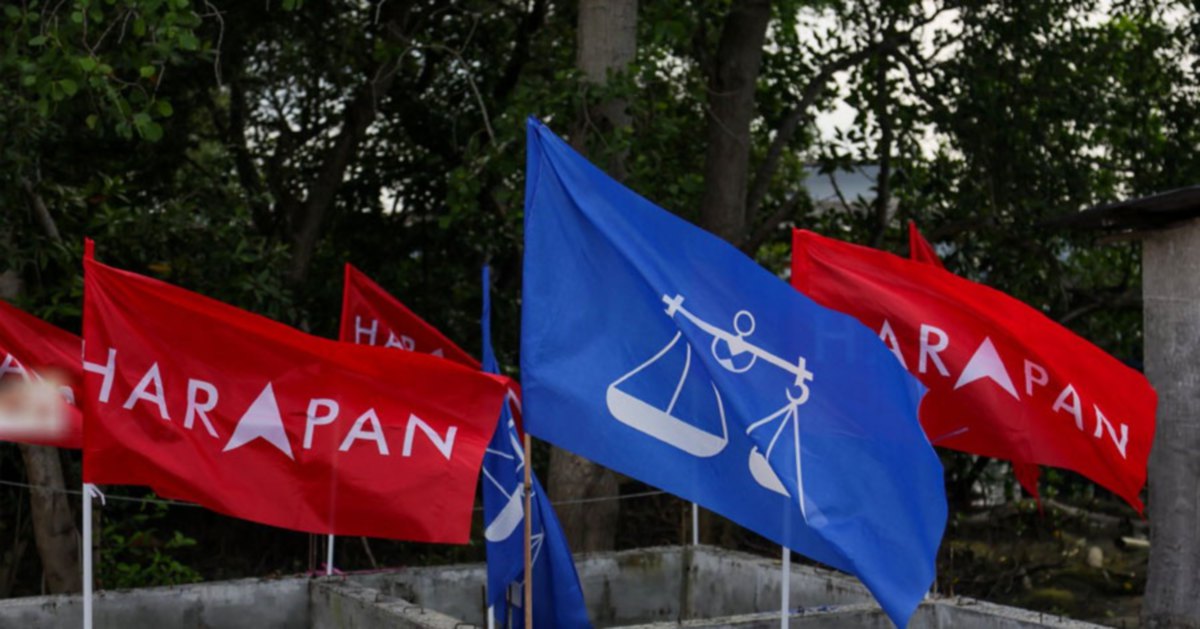
The machinery within Pakatan Harapan continues to operate at full throttle as coalition partners hash out the intricate details of seat distribution ahead of the next general election. On Tuesday, Datuk Seri Fahmi Fadzil, who steers the communications apparatus for PH, publicly acknowledged that Datuk Seri Amirudin Shari, the coalition's elections chief, convened with Datuk Seri Anwar Ibrahim, the chairman of the alliance, to discuss matters bearing directly on the coalition's electoral strategy.
This confirmation arrives at a critical juncture when Pakatan Harapan and Barisan Nasional are in the thick of negotiations that will ultimately determine which parties field candidates in which constituencies. The meeting between Amirudin and Anwar, though brief in description, signals that internal consensus-building is well underway within the PH leadership structure. The involvement of Amirudin—who orchestrates the coalition's electoral logistics—alongside the party chairman suggests these talks carry substance beyond routine administrative matters.
For Malaysian political observers, such confirmations offer rare windows into the choreography of coalition management. The public acknowledgment by Fahmi, a seasoned political communicator, serves multiple purposes: it provides transparency to the grassroots membership who anxiously monitor leadership movements, while simultaneously underlining that PH's top echelon remains unified in addressing the thorny question of seat allocation. In multiparty democracies like Malaysia, where coalitions are essential to securing parliamentary majorities, these negotiations frequently generate tension between partner organisations competing for the same constituencies.
The bilateral discussions between PH and BN carry profound implications for the political landscape across Peninsular Malaysia and beyond. Both coalitions bring considerable heft to the table, and the outcome of seat negotiations will reshape the competitive map in countless districts. For PH, the challenge lies in balancing the ambitions of its constituent parties—notably the Democratic Action Party, Amanah, and the Malaysian United Democratic Alliance—whilst maintaining a credible bargaining position with BN's component parties, particularly UMNO and MCA.
From a Southeast Asian perspective, Malaysia's coalition politics merit attention because the country's democratic architecture depends on these arrangements functioning smoothly. Unlike single-party dominant systems in the region, Malaysia requires coalition partners to collaborate, compromise, and sometimes endure friction for the sake of electoral viability. When communications directors like Fahmi publicly validate internal meetings, they are essentially assuring party members and supporters that leadership decisions emerge from deliberation rather than backroom wheeling.
The specifics of what transpired between Amirudin and Anwar remain undisclosed, reflecting the discretionary approach that negotiating parties typically adopt. Revealing detailed positions prematurely could undermine bargaining leverage or trigger internal dissent among those unhappy with particular territorial concessions. Nevertheless, the very occurrence of such a meeting—confirmed through official channels—indicates that both PH and its BN counterparts are making tangible progress toward finalising their seat pacts.
Malaysian voters keenly monitor these developments because seat allocation fundamentally determines their electoral choices. Constituents in marginal seats often find themselves in the unfamiliar position of voting for an unfamiliar candidate simply because coalition arithmetic demands a particular party field the nominee. This dynamic underscores why coalition negotiations carry such weight; they essentially predetermine outcomes in many constituencies before a single ballot is cast.
For the business and investor community, coalition stability matters considerably. Markets react to political uncertainty, and clear signals that major coalitions are progressing methodically through negotiations rather than fracturing into acrimonious disputes tend to reinforce confidence in Malaysia's political stability. Fahmi's confirmation thus serves an economic purpose beyond its narrowly political function, reassuring observers that the machinery of government is operating predictably.
The timing of Fahmi's disclosure warrants consideration as well. By publicly confirming the Amirudin-Anwar meeting, PH signals to its grassroots supporters and to BN negotiators alike that its internal processes are functioning transparently. This approach contrasts sharply with secretive negotiations that generate rumour and speculation, often breeding resentment among party members excluded from decision-making. In Malaysian politics, where internal party dissension can swiftly metastasise into public party defections, maintaining member confidence through transparent leadership communication carries strategic value.
As coalition negotiations progress across the coming weeks and months, similar confirmations from both PH and BN will likely pepper the political calendar. These public acknowledgments serve as breadcrumbs for observers tracking the intricate dance of Malaysian coalition politics, where every confirmed meeting represents incremental progress toward the final electoral blueprint that will determine which parties contest which seats when Malaysians next go to the polls.

