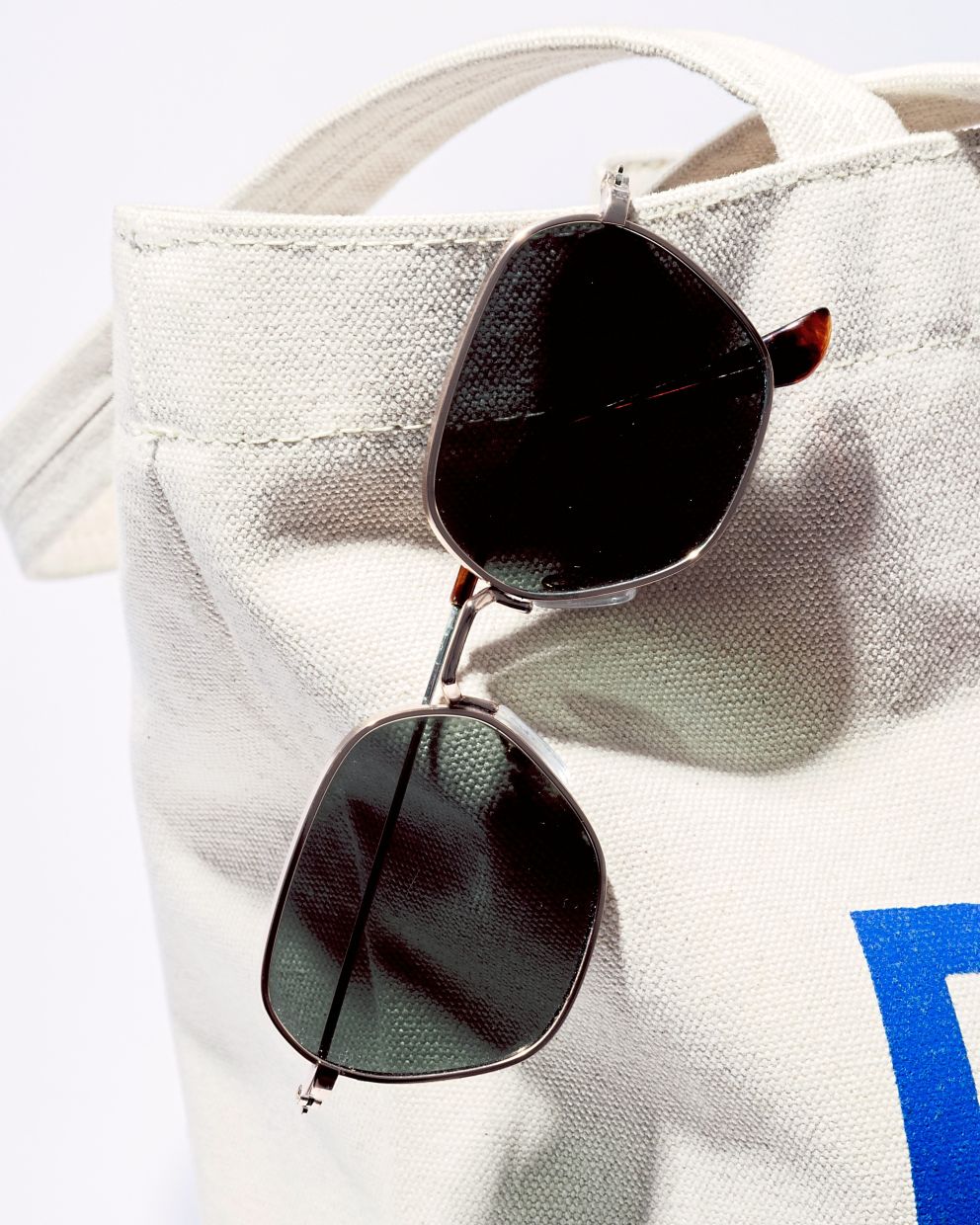
The question of whether sunglasses are necessary every single time you venture outdoors may seem straightforward to some, but ophthalmologists have a consistent message: protecting your eyes from solar ultraviolet radiation is not negotiable for long-term ocular health. For those living in Southeast Asia's intense tropical environment, where the sun's intensity is particularly strong year-round, understanding when and how to shield your eyes becomes even more critical. Laura Di Meglio, an assistant professor of ophthalmology at the Wilmer Eye Institute at Johns Hopkins Medicine, frames the issue plainly: sunglasses function as sunscreen specifically designed for your eyes, safeguarding not only the delicate structures within the eye itself but also the surrounding eyelid skin and the eye's surface.
The sun emits three categories of ultraviolet radiation—UVA, UVB, and UVC—though only UVA and UVB penetrate Earth's atmosphere to reach our eyes. UVB radiation carries particular concern for ocular damage, though UVA exposure presents genuine risks as well. The crucial point that many people overlook is that both forms of ultraviolet light are present on overcast days and throughout the year, not merely during peak sunny hours. Cumulative exposure to these rays substantially increases the likelihood of developing several serious eye conditions that can compromise vision and quality of life over decades.
One of the most common consequences of prolonged UV exposure is the development of cataracts, a clouding of the eye's lens caused by protein accumulation. While cataracts naturally develop with age, ultraviolet radiation accelerates this process significantly, potentially robbing people of clear vision decades earlier than would otherwise occur. According to Bryce St Clair, an assistant professor at the Wilmer Eye Institute, UV damage can trigger cataract formation well before it would develop naturally. Beyond cataracts, the sun's rays can aggravate macular degeneration, a progressive disease affecting the central retina that leads to vision loss and can severely impact daily functioning and independence.
Two additional growths frequently triggered by UV exposure—pterygium and pinguecula—demonstrate the varied ways that sun damage manifests in the eye. Pinguecula appears as a small yellowish elevation on the white of the eye and, while typically benign, causes irritation and discomfort. Pterygium represents a more serious concern, as this tissue growth can extend into the cornea itself and, if severe enough, obstruct vision and necessitate surgical intervention. Di Meglio emphasizes that people often underestimate the seriousness of pterygium, viewing it merely as an aesthetic issue when it can actually compromise visual acuity.
The vulnerable skin surrounding the eyes also warrants protection. Between five and ten percent of all skin cancers in the United States develop on the eyelid—a statistic that underscores how often this delicate area is overlooked in sun protection routines. Dr. Dagny Zhu, a cornea and cataract surgeon based in California, notes that virtually every cell type present in and around the eye can potentially become cancerous when exposed to excessive UV radiation. This risk applies equally to Malaysia and the broader Southeast Asian region, where equatorial and near-equatorial sun exposure is constant throughout the year.
Beyond disease prevention, there are important cosmetic implications of inadequate eye protection. Even without considering UV radiation damage, excessive brightness causes squinting, which contributes to the formation of crow's-feet and premature wrinkles around the eyes. When your eyes encounter intense light, the squinting reflex is your body's involuntary mechanism for reducing discomfort. Sunglasses allow your eye muscles to relax, preventing the repeated facial contractions that lead to permanent creasing. For those concerned with maintaining youthful appearance, this represents an often-forgotten benefit of regular sunglasses use.
A common misconception among people who wear prescription eyeglasses is that they must additionally purchase prescription sunglasses. However, modern clear prescription lenses already provide substantial ultraviolet protection. St Clair explains that clear prescription frames can deliver equivalent protection to dark lenses. Most reputable optical retailers now include UV protection as standard in clear lenses, typically through polycarbonate material construction, which has inherent UV-blocking properties, or through specialized coatings applied to alternative lens materials. For Malaysians already investing in prescription eyeglasses, verifying that UV protection is included requires simply asking the optician or bringing existing frames to a local optical shop for testing.
When shopping for either sunglasses or prescription eyeglasses, consumers should specifically seek products labeled as "UV400" or "100% UVA/UVB protection"—terminology that is essentially interchangeable and indicates blockage of 99 to 100 percent of ultraviolet radiation. In the United States, sunglasses are regulated by the Food and Drug Administration, making it illegal for manufacturers to falsely claim UV400 protection. However, experts universally caution against purchasing extremely inexpensive sunglasses, particularly those costing only a few dollars. Counterintuitively, sunglasses lacking UV protection can actually cause greater eye damage than wearing no sunglasses at all. The dark tint causes pupils to dilate, allowing more light to enter the eye. If that light lacks UV filtration, the enlarged pupil permits direct ultraviolet exposure straight to the retina, magnifying the harm.
For those questioning whether daily sunglasses are truly necessary, Dr. Sheri Rowen, a board-certified ophthalmologist and cataract surgeon, provides a nuanced answer. If sunlight does not irritate your eyes, the absolute minimum requirement is avoiding situations where direct unobstructed sunlight reaches your retina. However, brightness alone, separate from UV radiation, can produce uncomfortable side effects including eye fatigue, dry eye, headaches, and general visual discomfort. Tinted lenses reduce visible light intensity and therefore alleviate these symptoms. The decision to wear sunglasses daily ultimately depends on personal comfort levels, environmental conditions, and individual sun sensitivity.
Regardless of whether you choose to wear dedicated sunglasses, Rowen recommends a comprehensive approach to eye protection. Since eyeglasses and sunglasses cover only a portion of the face, she advises combining them with a wide-brimmed hat and facial sunscreen for more complete ultraviolet defense, particularly on days involving extended outdoor time. This multi-layered protection strategy proves especially important in Malaysia and Southeast Asia, where intense year-round sunshine and the equatorial sun angle mean consistently high UV levels. The combination of physical barriers and chemical protection provides far superior defense than any single measure alone.
The fundamental principle underlying all expert recommendations remains consistent: while humans require sunlight and outdoor activity for physical and mental health, your eyes do not require unfiltered ultraviolet exposure. Rowen succinctly captures this perspective: we need light, we need sun, we need to be outside—but we decidedly do not need UV radiation striking our eyes. For Malaysian readers living under intense tropical sun, this message carries particular weight. The decision whether to wear sunglasses every single time you step outside depends on your specific circumstances, but the case for regular eye protection—through whatever combination of clear prescription lenses, sunglasses, hats, and sunscreen suits your lifestyle—remains scientifically unambiguous.

