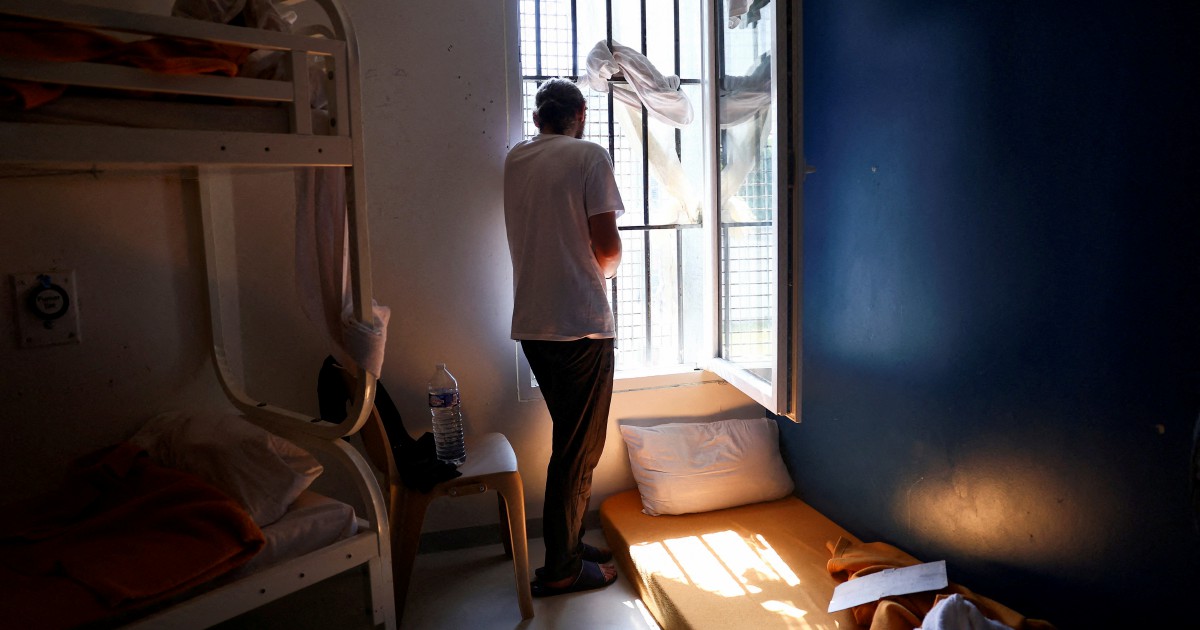
A prisoner draped wet towels across his cell window bars on a sweltering day when the mercury climbed beyond 37 degrees Celsius, a makeshift attempt to ward off the oppressive heat. When a visiting politician stopped by his cramped quarters in a French prison, the inmate seized the opportunity to convey the stark reality of incarceration during Europe's escalating heatwave crisis. His improvised cooling method—pitifully inadequate against the mounting temperatures—illustrated a larger systemic failure that has become impossible to ignore as climate conditions intensify across the continent.
Europe's prison infrastructure, much of it built decades ago when climatic extremes were less severe and less frequent, was never designed to cope with sustained extreme heat. Many facilities lack basic air conditioning or proper ventilation systems, leaving thousands of confined individuals vulnerable to dangerous thermal stress in their cells. The problem becomes acute during summer months, when temperatures regularly exceed levels considered safe for human habitation, yet inmates have nowhere to escape the punishing conditions. Older concrete structures, with minimal shade and poor airflow, become increasingly hazardous as global temperatures rise and heatwave events grow more frequent and intense.
The overcrowding that plagues European penal systems compounds these environmental dangers dramatically. Prisons operating far above their intended capacity mean cells designed for one or two occupants hold significantly more people, reducing already inadequate space and intensifying heat retention. In densely packed dormitories and cellblocks, the body heat of multiple inmates combined with stifling ambient temperatures creates dangerous conditions that can lead to heat exhaustion, dehydration, and potentially life-threatening complications. The concentration of human bodies in confined spaces without proper climate control transforms cells into what medical experts describe as dangerously unsanitary environments during peak summer heat.
France has become a focal point for this emerging crisis, with its prison system operating substantially above capacity. The visual of wet towels hung as a desperate cooling strategy gained attention when documented during an official visit, bringing unwanted scrutiny to conditions that have long troubled human rights advocates. However, France is far from alone. Prisons across Southern Europe, from Spain to Greece to Italy, report similar struggles as Mediterranean heat intensifies. Northern European nations too face unprecedented challenges as weather patterns shift and summer temperatures climb to historically unusual levels in regions unaccustomed to such extremes.
Malaysian observers of this European crisis may find uncomfortable parallels in regional prison systems that similarly operate under resource constraints. While tropical Southeast Asian nations have historically adapted to high temperatures, many correctional facilities in the region lack sufficient modern cooling infrastructure despite operating in climates that regularly exceed 30 degrees Celsius. The European experience demonstrates how even wealthy developed nations struggle to retrofit aging infrastructure for contemporary climate realities, suggesting that developing nations face even steeper challenges in managing prison conditions as global temperatures continue rising.
The health implications extend beyond immediate discomfort. Medical professionals warn that prolonged exposure to extreme heat in prison environments heightens risks of heat-related illnesses, psychiatric deterioration, and complications for inmates with existing medical conditions. Cardiovascular patients, those on certain medications, elderly prisoners, and individuals with mental health challenges face particularly acute risks. The combination of confinement, limited access to water and shade, poor sanitation, and psychological stress creates a perfect storm for medical emergencies in settings where access to emergency healthcare may be delayed or inadequate.
Beyond individual suffering, these conditions raise fundamental questions about the obligations states bear toward people in their custody. International human rights frameworks establish that prisoners retain basic protections regardless of their legal status. Subjecting inmates to temperatures that would be considered unacceptable in civilian workplaces or housing presents a legal and ethical liability. Several European nations face ongoing litigation from prisoners' rights organisations challenging conditions that violate standards set by the European Court of Human Rights and other regional human rights bodies. These legal challenges may set important precedents for defining what constitutes cruel and inhumane treatment in the context of climate-induced extremes.
The financial burden of retrofitting aging prisons with modern climate control systems is substantial, and many European nations struggle with budget constraints. Some facilities have implemented emergency measures such as increased water distribution, temporary cooling units, and modified schedules that allow prisoners extended time outside cells during peak heat hours. However, such temporary solutions address symptoms rather than root causes. Comprehensive solutions require investment in infrastructure upgrades, improved ventilation systems, and potentially significant facility modifications that demand political will and substantial capital expenditure from governments already stretched across competing priorities.
Prison overcrowding itself remains the fundamental challenge underlying these heat-related crises. European nations have pursued various approaches to address congestion, from early release programmes to sentencing reform to increased investment in alternative community-based interventions. Yet many countries have found reducing prison populations difficult politically, despite evidence that overcrowded conditions correlate with increased violence, security challenges, and costs. The heatwave crisis adds urgency to these ongoing debates by demonstrating that overcrowding affects not merely operational efficiency but poses genuine threats to human welfare and dignity.
As climate change advances, heatwaves are becoming more intense, more frequent, and more prolonged across Europe and globally. Prisons, with their inherently vulnerable populations held in controlled environments, represent particularly critical adaptation sites. Investment decisions made now about prison infrastructure will determine whether Europe's correctional systems can maintain humane standards as climate conditions intensify. Beyond Europe, the crisis signals that prison systems worldwide must urgently assess their capacity to protect confined populations from escalating thermal risks, a challenge that will require both immediate emergency interventions and long-term strategic planning.

