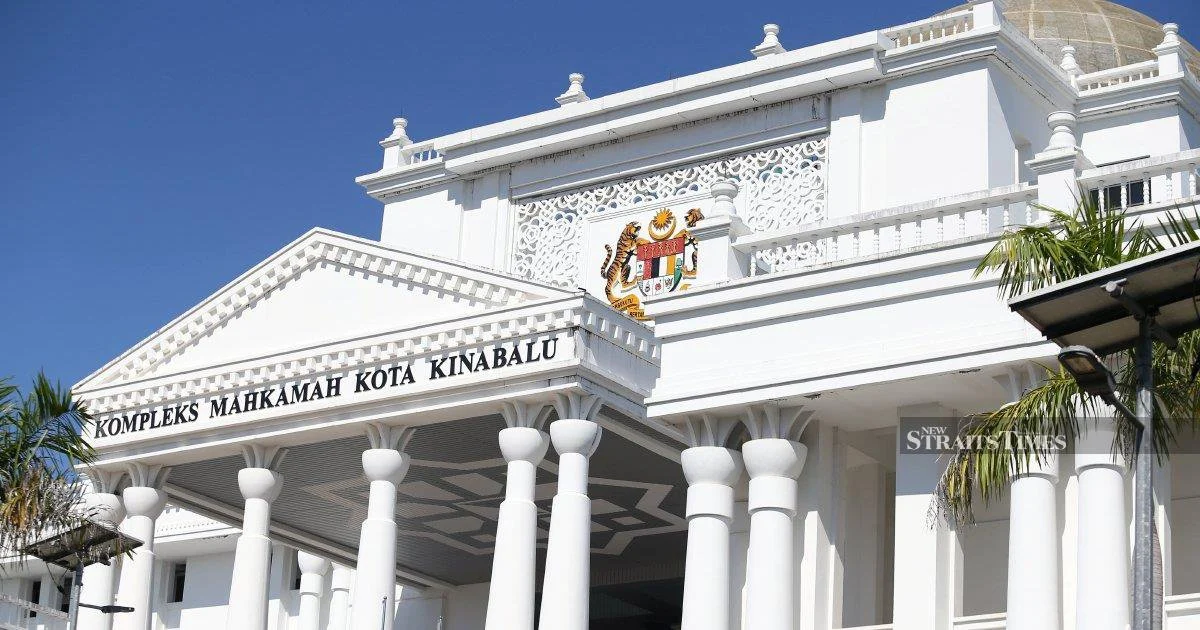
The inquest into the death of 13-year-old Zara Qairina Mahathir heard pivotal testimony in Kota Kinabalu as the 74th witness took the stand, revealing significant limitations in her capacity to contest conclusions reached by a fellow forensic document expert. The testimony underscores the complex interplay between expert witnesses in high-profile cases, where professional standards and the bounds of expertise create boundaries that can shape courtroom narratives.
Document examination is a specialized forensic discipline requiring years of training and practical experience to build credibility in legal proceedings. When multiple experts examine the same materials and reach different conclusions, courts must carefully weigh their qualifications, methodologies, and reasoning. The witness's acknowledgment that she could not contradict another expert's work reveals either the strength of that colleague's analysis, differences in their scope of review, or the fundamental challenge of interpreting physical evidence through separate lenses.
Inquests serve a distinct legal function in Malaysia's judicial system, particularly in cases involving unexplained or suspicious deaths. Unlike criminal trials where the burden of proof lies with the prosecution, inquests are fact-finding exercises designed to establish how a person died and the circumstances leading to their death. Evidence from multiple expert witnesses helps the coroner build a comprehensive understanding of all available documentation and physical materials relevant to the case.
The significance of the 74th witness appearing this late in proceedings suggests the inquest has already heard extensive testimony from various specialists, investigators, medical professionals, and potentially individuals with knowledge of events preceding Zara Qairina's death. Each witness contributes specific expertise or firsthand knowledge, and the coroner must synthesize these accounts into a coherent understanding of what occurred.
Forensic document examination can address numerous questions: authenticating signatures, detecting alterations, identifying paper sources, analyzing ink composition, and determining the sequence in which documents were created or modified. When contradictory expert opinions emerge, the witness's inability to challenge a colleague's findings may indicate that the other expert operated within parameters or possessed information that differed from her own analysis.
The professional integrity of forensic experts requires them to acknowledge the limits of their conclusions. An expert who cannot reasonably contradict another specialist's work demonstrates intellectual honesty rather than weakness, particularly if the two experts examined different aspects of the evidence or employed different but equally valid methodologies. Courts expect experts to be forthright about such limitations rather than engaging in speculation beyond their competence.
Zara Qairina Mahathir's case has attracted significant public attention in Malaysia, given the circumstances and the need for thorough investigation. The extended inquest process reflects the authorities' commitment to establishing a comprehensive factual record. Each witness testimony, whether directly supportive or seemingly tangential, contributes to the overall evidentiary landscape the coroner must evaluate.
The role of document experts in such inquests extends beyond simply identifying forgeries or alterations. They help establish timelines through documentation, identify inconsistencies in written records, and verify the authenticity of communications that may be central to understanding events. When one expert cannot dispute another's work, it may actually clarify the factual record rather than cloud it, as it suggests both experts recognized certain findings as sound.
For Malaysian legal professionals and observers following this inquest, the interplay between expert witnesses illustrates broader principles about evidence evaluation and the limits of expertise. No single expert can be expected to contradict findings outside their specialized purview or based on different source materials. The coroner's task involves weighing all such testimony comprehensively.
As the inquest continues with its extensive witness list, the cumulative weight of evidence will become increasingly apparent. The 74th witness's testimony, while seemingly incremental, contributes to the factual mosaic. Her professional acknowledgment that certain expert findings were not subject to contradiction by her own analysis demonstrates the standards of accountability that characterize rigorous forensic investigation.
The progression of this inquest reflects the Malaysian legal system's commitment to thorough investigation in cases involving young victims. Inquests can take considerable time when multiple experts, investigators, and other parties must present detailed testimony. The outcome, once the coroner delivers findings, will establish an official record of how Zara Qairina died and the circumstances surrounding her death, which carries legal and historical significance for her family and the broader community seeking answers.

