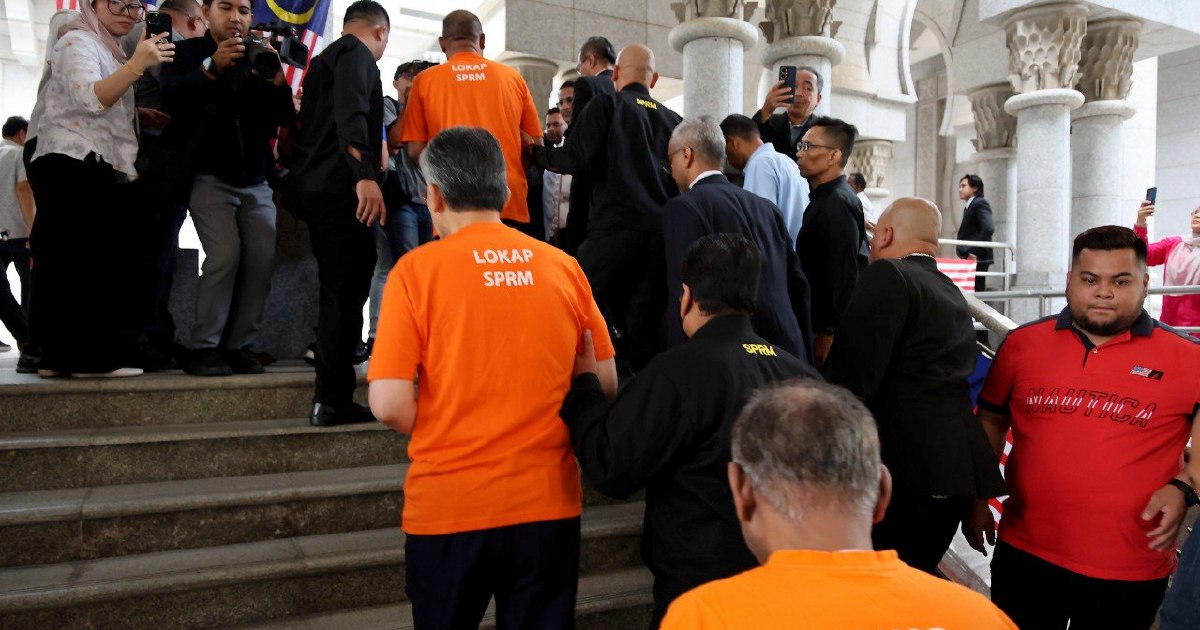
The Putrajaya magistrates' court became the focal point of public attention as two senior government figures arrived for remand hearings, signalling an escalation in a high-profile investigation that has drawn scrutiny from watchdog groups and the public alike. The appearance of a former Lembaga Tabung Haji chairman and a previous Treasury secretary-general underscores how investigations into governance and financial accountability have reached into the upper echelons of Malaysia's administrative structure.
Lembaga Tabung Haji, the Islamic pilgrimage savings fund, has faced intense scrutiny in recent years over its financial health and governance practices. The fund, which manages the savings of millions of Malaysian Muslims preparing for the hajj pilgrimage, holds significant cultural and economic importance within the Malaysian Muslim community. Any investigation into the management of TH reflects concerns about the stewardship of assets entrusted to government-linked entities and the mechanisms that ensure accountability at the highest levels of institutional leadership.
The involvement of a former Treasury secretary-general adds another dimension to the inquiry. The Treasury plays a pivotal role in Malaysia's financial architecture, overseeing government budgets, fiscal policy, and the oversight of government-linked companies and statutory bodies. The appearance of a retired Treasury official before the magistrate suggests that investigators are examining potential irregularities that may have involved high-level financial decision-making or oversight failures within the government's administrative machinery.
Remand hearings in Malaysia typically occur during the early stages of criminal investigations, allowing law enforcement authorities to seek extensions of custody for further questioning. The fact that these proceedings have reached court indicates that authorities have gathered sufficient preliminary evidence to justify custody extensions, a procedurally significant step in any criminal investigation. For figures of this stature, the remand process represents a notable shift from the investigative phase toward a more formal legal proceeding.
The public visibility of such proceedings carries important implications for Malaysia's evolving approach to governance accountability. In recent years, the country has witnessed increased legal action against high-ranking officials and corporate leaders for alleged financial misconduct and breach of fiduciary duties. These cases reflect broader institutional efforts to strengthen oversight mechanisms and demonstrate that senior officials are not beyond the reach of investigative authorities, regardless of their previous positions or status.
For Malaysian citizens and the international investment community, such developments carry implications regarding institutional trust and corporate governance standards. The treatment of high-profile suspects within Malaysia's justice system influences perceptions of whether the country's legal framework operates impartially and whether systems exist to hold powerful individuals accountable. The visibility of court proceedings involving former senior officials sends signals about the independence of enforcement agencies and the judiciary's willingness to process cases involving the politically and administratively prominent.
The appearance of these individuals also reflects ongoing concerns within Malaysia's civil service and government-linked entities about financial controls and governance practices. Over the past decade, numerous institutions have undergone restructuring or investigation following revelations about management inefficiencies, investment losses, or misaligned priorities. The scrutiny directed at senior figures demonstrates that accountability mechanisms are functioning, though debates continue about whether reforms have been sufficiently comprehensive or whether systemic issues persist elsewhere within the government apparatus.
The remand hearing process will likely involve arguments from both the prosecution and defence regarding the necessity of extended custody, the nature of evidence gathered, and the anticipated duration of investigation requirements. The magistrate's decision on whether to grant remand extension, deny it, or impose conditions will provide the first clear indication of judicial assessment regarding the investigative case's strength and the authorities' claims regarding custodial necessity.
Southeast Asian observers note that Malaysia's willingness to pursue investigations against high-ranking government figures through visible court proceedings distinguishes it from several regional peers with weaker accountability mechanisms. However, broader questions persist regarding whether investigations into financial governance reach deeply enough into systemic issues or whether they remain focused primarily on individual cases. The outcomes of these particular proceedings will likely influence public perceptions regarding whether Malaysia's anti-corruption and financial oversight frameworks are functioning effectively as institutional checks against mismanagement at the highest levels of government and quasi-governmental organisations.

