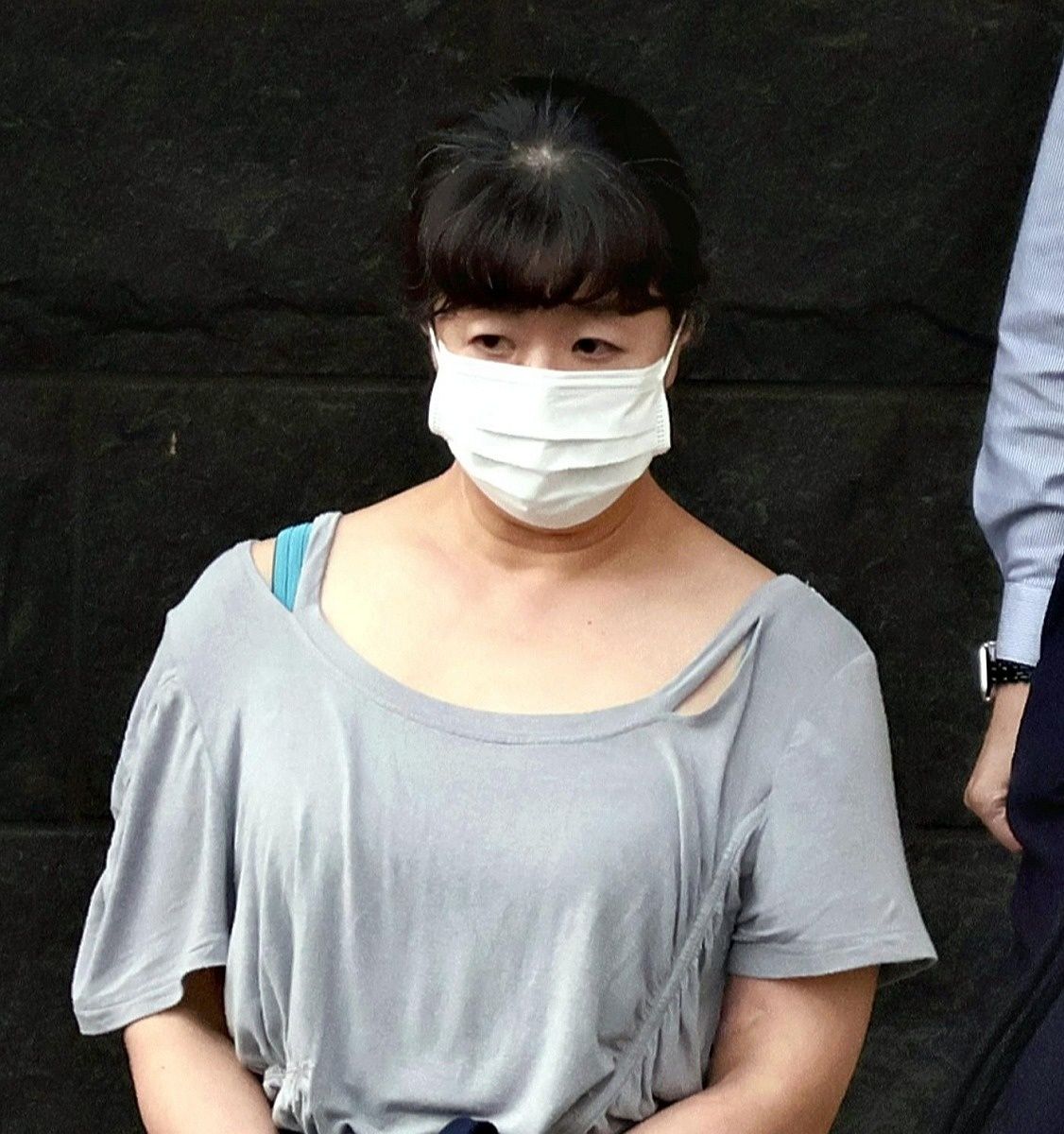
A 51-year-old former nurse in Chiba Prefecture, Japan, has been taken into custody following allegations that she deliberately introduced faecal matter into a patient's intravenous tube, resulting in the man's death from multiple organ failure. Miyuki Furukawa, a resident of Kashiwa, faces murder charges in connection with the death of 75-year-old Eiji Aida, who fell critically ill within hours of the suspected contamination at Kashiwa Tanaka Hospital on January 30. The case has reignited concerns about patient safety protocols in medical institutions across East Asia and the psychological screening of healthcare workers.
Police allege that Furukawa inserted faecal matter into the extension tube of Aida's intravenous drip at approximately 3.55am during her shift as head nurse on the night rotation. Within hours, Aida's condition deteriorated sharply, and he was pronounced dead just over 19 hours later, at 10.30pm on January 31. Medical examination determined that the primary cause of death was severe sepsis—a life-threatening immune response to infection—which cascaded into catastrophic failure of multiple vital organs. Subsequent tests identified bacteria characteristic of human faecal contamination present in Aida's bloodstream, providing forensic evidence supporting the investigation.
When questioned by authorities, Furukawa denied the allegations, asserting she had not interfered with the patient's medical equipment. This denial stands in stark contrast to physical evidence and digital records uncovered during the investigation. Hospital security camera footage documented Furukawa entering and exiting Aida's room during the critical period, while smartphone records revealed that she had conducted internet searches for the query "faeces injection — Will [he] die?" The combination of surveillance evidence, search history, and medical findings has created a formidable case against the accused.
The alert that triggered the formal investigation came from a fellow hospital employee who noticed the interior of the IV extension tube had turned brown in colour. This colleague reported her observations to Kashiwa Police on February 1, raising concerns about possible contamination. The alert represents an example of workplace vigilance, though it also underscores how critical such observations are in detecting deliberate tampering within healthcare environments. The subsequent police inquiry revealed that tensions had existed between Furukawa and the deceased patient prior to the incident, potentially providing investigative leads into motive.
Furukawa's employment status shifted notably after the incident came to light. She resigned from Kashiwa Tanaka Hospital at the end of February and has since secured work as a midwife at a Tokyo hospital. This transition—from a position where she was directly implicated in patient harm to a role in maternal healthcare—raises questions about employment screening procedures and how criminal investigations impact hiring decisions at medical facilities. Chiba prefectural police are continuing their examination of both her motive and the specific circumstances surrounding how and when she allegedly carried out the act.
The incident casts a troubling spotlight on the vulnerability of hospitalised patients and the critical importance of monitoring access to vulnerable points in medical care delivery. While healthcare-associated infections occur through various vectors, deliberate contamination represents a distinct category of harm that demands forensic investigation and criminal prosecution. The case also highlights the necessity of robust psychological and behavioural assessments during nursing recruitment and the ongoing monitoring of staff conduct during employment.
Aoikai, the healthcare organisation that operates Kashiwa Tanaka Hospital, issued a formal statement characterising the alleged actions as fundamentally incompatible with medical practice and human decency. The statement emphasised the institution's commitment to full cooperation with law enforcement and to uncovering the complete factual basis of the case. Such incidents inevitably damage institutional reputation and erode public confidence in healthcare systems, necessitating transparent investigation and remedial measures.
For Malaysian and Southeast Asian healthcare systems, this case serves as a cautionary reminder of the importance of stringent oversight mechanisms, security protocols, and staff vetting procedures. Hospitals in the region, which often operate with significant staff pressures and resource constraints, must balance operational efficiency with robust safeguarding measures. The integration of security camera systems in high-risk areas, regular audits of medication and IV administration practices, and clear reporting channels for suspicious observations are essential components of a comprehensive patient safety framework.
The psychological motivations behind such acts remain a subject of deep concern for law enforcement and medical institutions alike. Individuals who deliberately harm patients often harbour significant grievances, psychiatric conditions, or seek to exercise harmful control over vulnerable individuals. Furukawa's internet search regarding lethal outcomes linked to faecal contamination suggests premeditation rather than a momentary lapse in judgment, indicating this was not a spontaneous act but potentially a carefully considered decision. Understanding what drove her to contemplate and execute such an act will be crucial to preventing similar incidents in healthcare settings across the region.

