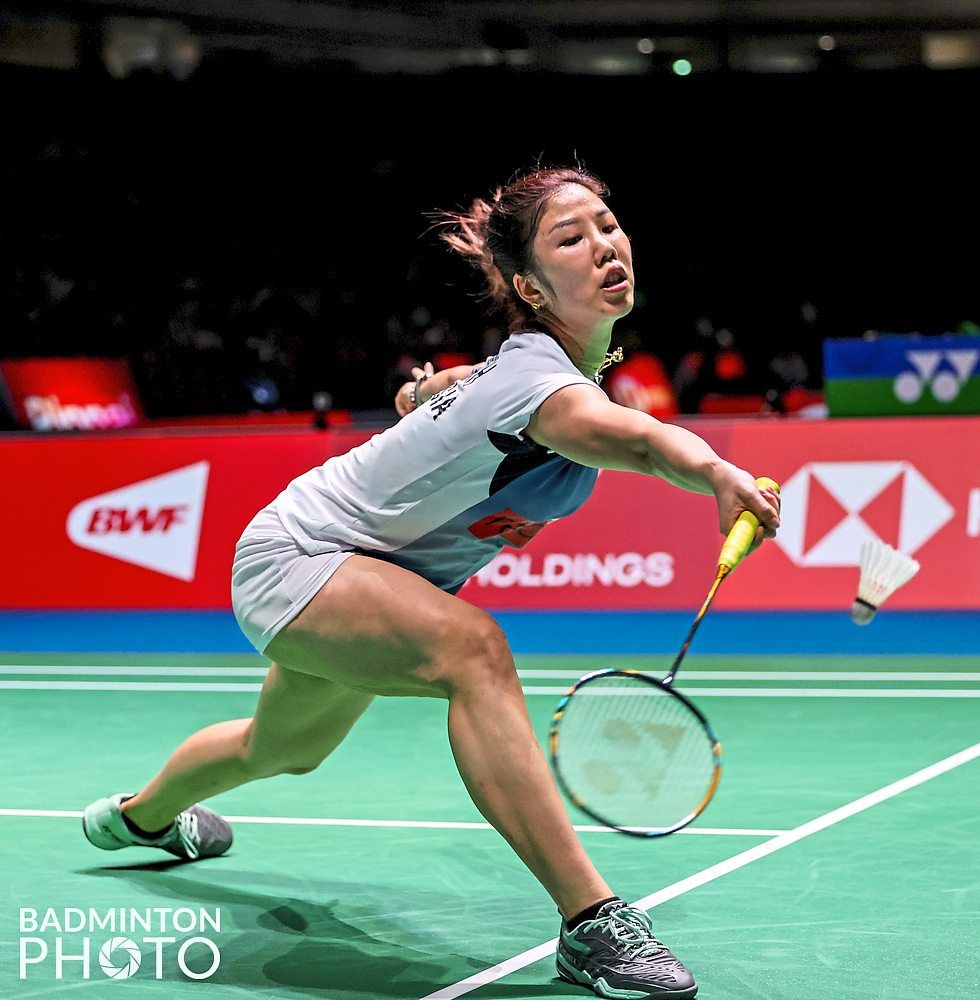
Soniia Cheah, the former national women's singles shuttler who represented Malaysia at the Tokyo Olympics, has stepped down from her role as sports director of the Kuala Lumpur Badminton Association (KLBA) effective Wednesday, ending a tenure that lasted barely four months. The 33-year-old had been appointed to the position in February under a one-year contract, but has now departed the association without completing her inaugural six-month probation period, signalling an unexpectedly troubled start to what was expected to be a sustained management role.
While Soniia declined to itemise the specific grievances that prompted her decision, she conveyed that the choice came after considerable reflection and represented a principled stand rather than an impulsive departure. In a statement to journalists, she acknowledged the weight of the decision and its implications for her early-stage tenure, framing her exit as a matter of personal integrity rather than interpersonal conflict with any individual member of the association. Her measured language suggested an effort to depart professionally while still flagging systemic concerns that she believed required institutional attention.
Soniia was explicit in articulating that her resignation reflected a divergence between her values as a former international athlete and the operational direction of the association. She stated that despite her passion for badminton, continuing in a role where she felt compelled to compromise on her principles would have been untenable. This framing suggests her concerns relate to governance, player development philosophy, resource allocation, or other strategic matters rather than personal disagreements. For a sports administrator to exit so rapidly on such grounds raises questions about the internal culture and decision-making structures within the KLBA, an organisation that oversees badminton development in Malaysia's capital region.
Notably, Soniia's final official responsibility with the organisation involved supervising the Kuala Lumpur squad at the Affin 100Plus Junior Elite Tour Finals held at Stadium Juara in Bukit Kiara the previous week. This scheduling meant her departure came immediately after concluding her last assigned competition, suggesting a clean break rather than a gradual transition. Her willingness to complete this final tournament commitment before announcing her resignation indicates professionalism towards the young athletes under her watch, even as she prepared to exit the administrative structure.
The early departure carries particular significance given Soniia's credentials and the expectations that likely accompanied her appointment. As Malaysia's top-ranked women's singles player during her competitive career, she brought valuable first-hand experience of elite badminton to the role. Her Olympic pedigree and understanding of international competition standards positioned her well to mentor emerging talent and strengthen the KLBA's performance trajectory. That such a qualified appointment unravelled within months suggests underlying organisational challenges that extended beyond simple management transition issues.
Soniia's retirement from competitive play in 2022 followed a prolonged struggle with an Achilles tendon injury that ultimately ended her playing days. The injury had repeatedly interrupted her career progression and limited her ability to compete at the highest levels despite her technical abilities. Her transition from athlete to administrator represented a natural career progression for former champions seeking to remain involved in their sport, yet the brevity of her KLBA tenure indicates that the administrative environment proved incompatible with her expectations or values, notwithstanding her desire to contribute to player development.
Her expressed hope that her resignation would catalyse internal review and reform suggests Soniia believes the association requires structural or cultural reassessment. By framing her departure as potentially catalytic rather than merely critical, she positioned her exit as a signal that deserves serious institutional response. This approach reflects both her concern for the players who will remain within KLBA's programmes and her belief that highlighting her concerns through resignation might achieve greater impact than remaining silent while serving.
For Malaysian badminton's governance landscape, Soniia's departure from a high-profile administrative role after such a short period raises broader questions about organisational stability and management practice. When recently appointed senior administrators resign citing principle-based objections, it often indicates either inadequate vetting during recruitment or emerging issues that stakeholders failed to anticipate during onboarding. The KLBA's response to this resignation—whether through substantive reforms or defensive positioning—will reveal how seriously it takes these concerns.
The timing of her exit also carries implications for the young players under KLBA's purview. Elite junior badminton development requires consistent mentorship and clear strategic direction, both of which may be disrupted by unexpected leadership transitions. The loss of an Olympic-level perspective and her specific expertise in women's singles training could affect the competitive development pathway for promising junior players in the Kuala Lumpur region, at least temporarily until replacement arrangements are finalised and new operational rhythms established under different management.
As the Malaysian badminton community absorbs this resignation, attention will likely turn toward understanding what prompted such a dramatic early exit from an organisation that presumably welcomed Soniia's appointment. The broader implications for governance practices within national sports associations, and whether similar tensions exist elsewhere, may also warrant scrutiny from sports administrators and analysts monitoring institutional health across Malaysia's Olympic and non-Olympic sporting federations.

