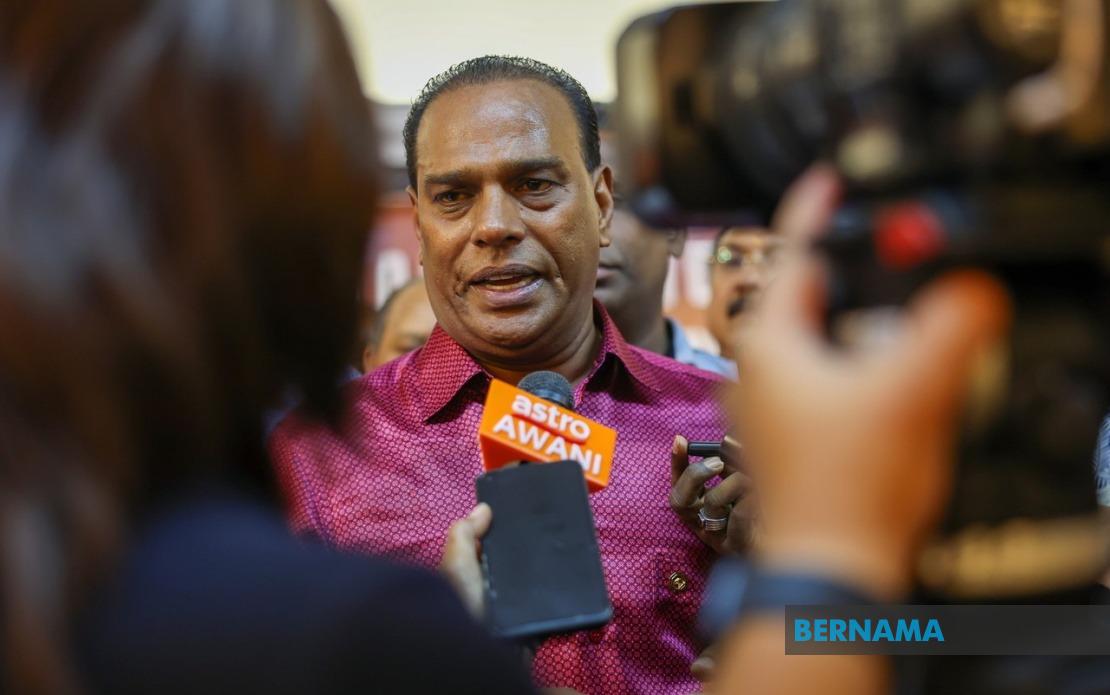
Former Human Resources Minister Datuk Seri M. Saravanan confirmed yesterday that he would appear before the Sessions Court today to face formal charges, marking a significant moment in a legal saga that has gripped Malaysian politics since allegations emerged over his alleged involvement in irregular foreign worker recruitment during the COVID-19 pandemic. The Tapah MP and MIC deputy president issued a video statement to journalists, asserting his readiness to contest the charges through the court system despite the unusual circumstances surrounding the case.
The allegations against Saravanan stem from third-party testimony linking him to irregularities in foreign worker hiring in 2022, a critical period when Malaysia's employment landscape was under intense scrutiny following pandemic disruptions. According to Saravanan's account, the original statement implicating him came from an individual who has since passed away approximately two months before the charges were filed, a timeline that has added complexity to the prosecution's position. The deceased witness had subsequently filed a Statutory Declaration withdrawing the allegations entirely, creating legal ambiguity about the foundation upon which current proceedings rest.
Saravanan has vigorously maintained his innocence throughout the ordeal, emphasizing that he never established direct contact with the individual making the original accusations, whether through telephone calls or text messages. His denial extends to any suggestion of improper coordination or influence that might have motivated the allegations. The former minister's insistence on this point suggests he believes the charges rest on a foundation that has been substantially undermined by the witness's withdrawal and subsequent death, raising questions about prosecutorial strategy and evidence sufficiency.
The Malaysian Anti-Corruption Commission (MACC) proceeded with charges under Section 16 of the MACC Act 2009, which pertains to soliciting, receiving, giving, promising or offering bribes. This specific legal provision indicates that authorities believe Saravanan engaged in some form of corrupt transaction or agreement, though the exact nature of the alleged arrangement has remained somewhat opaque in public disclosures. The charge carries serious reputational and legal consequences for any senior politician, particularly one who previously held the influential Human Resources portfolio.
Saravanan's legal strategy, as outlined in his public statement, involves requesting the court expedite trial proceedings without unnecessary delays. This approach suggests confidence in his defence and a desire to resolve the matter swiftly rather than protract legal uncertainty. By moving for accelerated proceedings, his legal team appears to be signalling that the case can be resolved efficiently once full evidence is presented before the judge, and that prolonged proceedings would only prolong damage to his reputation and political standing.
The case represents a notable development in Malaysia's ongoing anti-corruption enforcement landscape, demonstrating MACC's continued willingness to pursue high-profile political figures regardless of their current status. However, the reliance on testimony from a deceased witness who had retracted allegations raises fundamental questions about prosecutorial ethics and the strength of circumstantial evidence that may underpin the case. These legal questions will likely feature prominently in courtroom arguments and could influence the trial's trajectory.
Saravanan's previous role as Human Resources Minister carries particular significance given that the allegations concern foreign worker management, an area nominally within that ministry's purview. This connection has inevitably fed speculation about potential conflicts of interest or favoritism during his tenure, though no such broader investigation has been publicly announced. The timing of the allegations and their connection to pandemic-era policies has also invited scrutiny of decision-making processes during that uniquely challenging period when labour market disruptions created unusual pressures on policymakers.
The case also intersects with Malaysia's broader political dynamics, as Saravanan remains an influential figure within MIC, the Indian-majority component party of Barisan Nasional. His legal troubles could reverberate through coalition calculations and internal party politics as the political landscape evolves toward the next general election. The potential impact on MIC's political standing and its negotiating position within the ruling coalition adds a political dimension to the legal proceedings.
For Malaysian voters and observers monitoring anti-corruption efforts, the case exemplifies both the strengths and limitations of MACC's prosecutorial approach. The commission's independence and willingness to pursue cases against senior figures demonstrates institutional resilience, yet the evidentiary foundation based on recanted testimony from a deceased witness invites legitimate scrutiny about case selection and legal sufficiency. How the court ultimately adjudicates these questions will carry implications not only for Saravanan's personal fate but also for public confidence in the overall integrity of Malaysia's anti-corruption framework moving forward.

