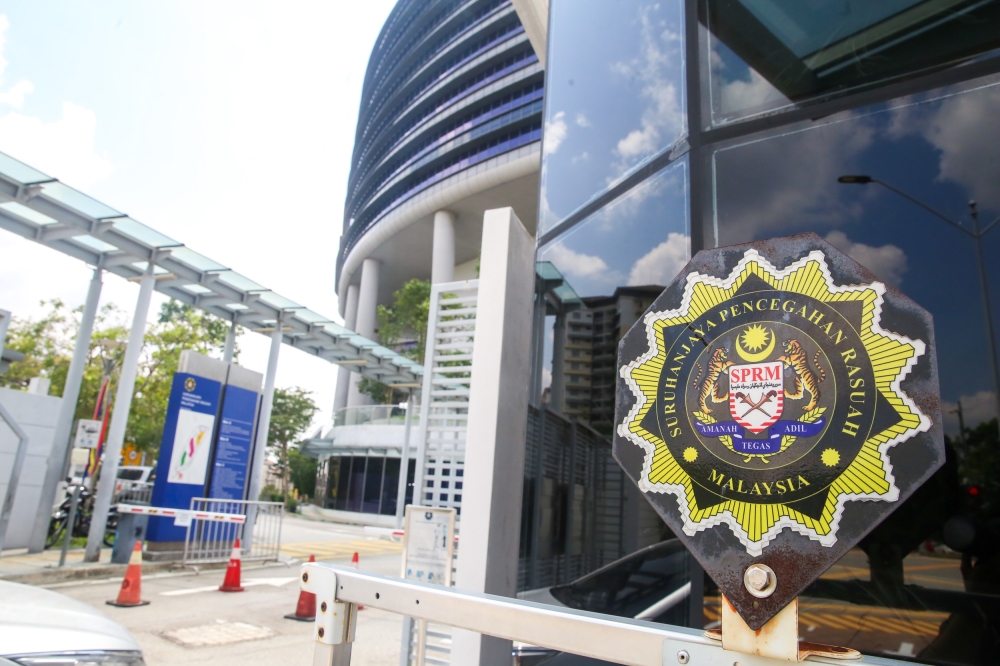
A former civil servant was detained yesterday by the Kuala Lumpur office of the Malaysian Anti-Corruption Commission for allegedly orchestrating an identity fraud scheme that netted RM300,000 in government aid payments. The suspect, whose identity remains undisclosed pending further investigation, is believed to have exploited the personal details of 11 individuals without their knowledge or consent to access welfare benefits that were intended for genuinely needy recipients. This latest case shines a spotlight on vulnerabilities within Malaysia's social assistance distribution system and the ease with which determined fraudsters can circumvent safeguards designed to protect public resources.
The MACC secured a four-day remand order to facilitate interrogation and evidence gathering, signalling that investigators believe additional details and accomplices may emerge as the probe deepens. The commission's decision to pursue an extended detention period suggests the scale and complexity of the alleged crime warrants thorough examination of the suspect's financial records, digital communications, and banking transactions. Given that the scheme involved more than a dozen fraudulent claims processed over an unspecified period, authorities are likely investigating whether the individual acted alone or as part of a larger syndicate targeting social welfare schemes.
Identity theft and benefit fraud have become increasingly sophisticated in Malaysia, with criminals leveraging both physical document forgery and digital manipulation to access government payments. The case underscores how personal identification numbers, a cornerstone of Malaysia's administrative systems, can be weaponised by insiders with knowledge of procedural gaps. A former civil servant would possess intimate familiarity with application processes, approval workflows, and the documentation required to process claims—advantages that ordinary criminals typically lack. This insider knowledge arguably made the accused an especially effective perpetrator and raises questions about whether proper supervision and audit trails existed within the relevant government department.
The RM300,000 sum involved represents a substantial misappropriation of taxpayer funds meant for vulnerable Malaysians. Each fraudulent claim diverted resources away from individuals genuinely struggling with poverty, unemployment, or medical hardship. Beyond the immediate financial loss, such schemes erode public confidence in the integrity of social welfare systems and can fuel unhelpful narratives that undermine legitimate beneficiaries' dignity. When high-profile fraud cases surface, they sometimes provoke disproportionate scepticism about all welfare recipients, even though verified fraud cases remain statistically rare compared to genuine need.
The use of 11 different identities suggests the accused deliberately diversified the scheme to reduce detection risk. By spreading fraudulent claims across multiple individuals rather than concentrating them under one or two names, the perpetrator attempted to evade automated red flags that might otherwise trigger scrutiny of duplicate submissions or unusual payment patterns. This methodical approach indicates premeditation and reveals awareness of anti-fraud mechanisms. Investigators will likely focus on understanding how the accused obtained and verified these individuals' personal information—whether through workplace access, public records, or networks of complicit associates willing to loan their identities for profit-sharing arrangements.
The MACC's swift action reflects heightened enforcement against corruption and financial crimes, particularly those involving misuse of government assistance. The commission has intensified operations against benefit fraud following public outcry over cases where scarce resources allegedly ended up with ineligible recipients. This case also demonstrates how anti-corruption agencies are increasingly pursuing civil servants who breach public trust, signalling zero tolerance for dishonesty within government ranks. Former employees retain institutional knowledge and often maintain unofficial networks that facilitate continued access to systems or information, making them particularly dangerous when they turn to criminal activity.
The investigation will likely extend beyond the individual remanded to examine whether departmental controls were inadequate. Questions will arise about verification procedures, supervisory oversight, and whether safeguards existed to detect multiple benefit applications using the same applicant's banking details or residential address. Departmental audits may reveal whether the scheme was possible only due to systemic weaknesses or whether the accused simply exploited temporary loopholes with particular cunning. The findings could lead to procedural reforms across government benefit-dispensing agencies to tighten access controls and enhance real-time fraud detection capabilities.
For Malaysian citizens, this case carries important implications regarding personal data security and the risks of identity theft. Individuals whose details were misused in this scheme face potential credit damage and complications if fraudulent claims appear on their records. The incident highlights why Malaysians should remain vigilant about who accesses their personal information and why regular monitoring of government benefit accounts, even if they don't expect payments, represents prudent self-protection. Public awareness campaigns emphasising the importance of reporting suspicious applications made in one's name could help catch similar schemes earlier.
The broader regional context sees identity fraud and benefit scams escalating across Southeast Asia as digitalisation accelerates without commensurate investment in robust verification infrastructure. Malaysia's experience echoes problems encountered in neighbouring countries where criminal networks exploit cross-border vulnerabilities and exploit government systems designed decades ago, before digital fraud became commonplace. Regional cooperation on data security standards and shared intelligence about fraud networks could help neighbouring nations strengthen defences against organised schemes that increasingly operate across multiple jurisdictions.
As the MACC investigation progresses, the case will likely clarify whether this was isolated misconduct by one dishonest employee or evidence of broader systemic failure. Either outcome demands attention: individual cases suggest the need for better personnel vetting and monitoring, while systemic failures point toward the necessity of substantial infrastructure upgrades. The eventual court proceedings will provide valuable precedent regarding sentencing expectations for benefit fraud, potentially deterring would-be perpetrators while reinforcing public message that misappropriation of welfare funds carries serious legal consequences.

