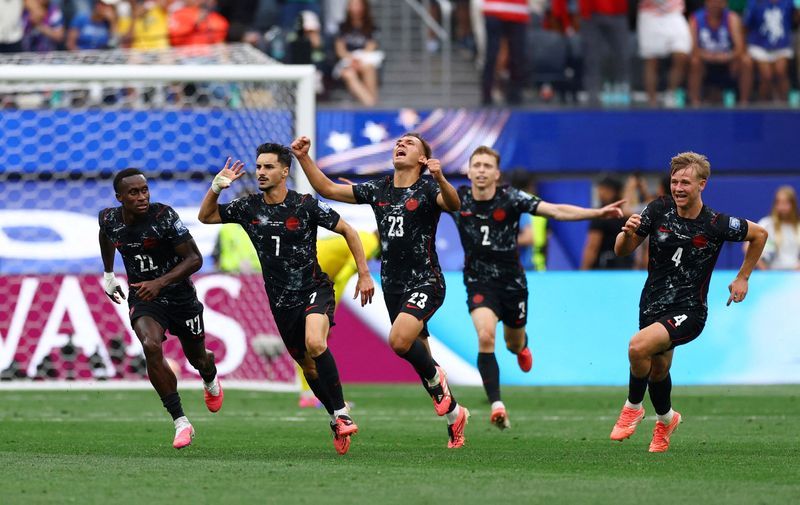
Canada has achieved a watershed moment in its football history by reaching the World Cup last 16 for the first time, courtesy of Stephen Eustaquio's stunning strike in the dying moments of their round-of-16 clash against South Africa at Los Angeles Stadium. The midfielder produced a composed finish from the edge of the penalty area in the 92nd minute, sending a rasping drive past diving goalkeeper Ronwen Williams to seal a 1-0 victory on Sunday. The breakthrough came just as South Africa appeared resigned to forcing the contest into extra time, with the hosts seemingly content to take their chances in a penalty shootout had the match remained level.
For a Canadian team that had arrived in Los Angeles with just three days of recovery following a disappointing 2-1 group-stage defeat to Switzerland, the victory represents an extraordinary turnaround. This was also Canada's first knockout-round fixture of the tournament, and notably their opening match played outside their home nation. The narrow victory exemplifies the resilience and character that has defined Canada's campaign, qualities evident in their ability to maintain pressure even when South Africa adopted a defensive posture throughout the second half. The win propels Canada into uncharted territory, with the co-hosts now guaranteed a quarter-final berth against either the Netherlands or Morocco on July 4 in Houston.
The match itself evolved into a battle of tactical patience and precision in front of goal. Canada enjoyed the better of the opening period, with a corner-kick scramble near the South Africa box providing genuine opportunity before the interval. A close-range header from Tajon Buchanan forced goalkeeper Williams into an excellent save, while Moise Bombito's earlier attempt was cleared off the line by Aubrey Modiba. The first half also witnessed controversy when Canadian pressure resulted in what appeared to be a penalty appeal after Richie Laryea went down in the area, but the referee and subsequent VAR review both rejected the claim, triggering audible frustration among the predominantly Canadian supporters who filled the stadium.
Coach Jesse Marsch's frustration was evident as his team departed the field at halftime, visibly questioning the decision with match officials. South Africa's response in the second period suggested they had adopted a containment strategy, avoiding the necessity to commit numbers forward and instead relying on the possibility of breaking the deadlock in extended play. This cautious approach, while offering defensive security, ultimately proved insufficient against a Canadian side growing increasingly determined as the match progressed. Another promising opportunity arrived when Tani Oluwaseyi's strike required Williams to make a save, though Jonathan David's follow-up header was expertly cleared by Mbekezeli Mbokazi.
The pivotal moment arrived deep in stoppage time when Eustaquio received possession on the edge of the South Africa penalty area and unleashed a powerful, accurate finish that left Williams with no chance. The goal sparked euphoria among Canada's travelling support, validating the team's commitment and intensity throughout a tightly contested encounter. In his post-match comments, Eustaquio expressed the collective emotion of the squad, stating that when he struck the ball, it felt as though his teammates had invested their own power into the shot. This sentiment encapsulates the unity and shared determination that has carried Canada through a tournament that many analysts had viewed as potentially prohibitive for a nation making only their fourth World Cup appearance.
Marsch's assessment of the performance highlighted both the positive elements and areas requiring improvement. While acknowledging that Canada had created numerous chances throughout the match, he admitted the team had not been clinical enough in capitalising on their opportunities until Eustaquio's decisive moment. The coach praised his players' resilience and character, declaring them Canadian heroes for achieving something the nation's football community has long pursued. His evident satisfaction extended beyond tactical performance to recognise the broader cultural significance of advancing to the knockout stage, understanding that this achievement transcends sport and carries genuine meaning for the Canadian public.
South Africa's journey to the last 16 represented their own notable accomplishment, as they reached the knockout rounds for the first time in their fourth World Cup appearance. However, their exit was rendered particularly frustrating by the manner of the defeat, having held their own defensively but failed to generate sufficient attacking threat when opportunities presented themselves. The South Africans' willingness to absorb Canadian pressure and potentially force a penalty shootout reflected pragmatism, though it ultimately proved to be a miscalculation in a competition where creativity and incisive finishing frequently determine outcomes.
The future direction of South African football became an immediate question following the defeat, particularly regarding the future involvement of Hugo Broos, the 74-year-old coach who has steered the team through this tournament. Broos indicated that his time in World Cup management has concluded, suggesting that post-tournament discussions will determine his next move. His leadership of South Africa to the knockout stage represented a solid achievement given the squad's composition and regional competition, yet the team's lack of attacking ambition in crucial moments suggests that strategic recalibration may be necessary for future campaigns.
Canada's advancement carries significant implications for Southeast Asian football observers and commentators, as it demonstrates that emerging football nations can break through established barriers with sustained investment, tactical discipline, and psychological resilience. The co-hosts' path through the tournament has shown that continental success and competitive infrastructure can translate into meaningful World Cup performances, even against traditional powerhouses. Canada's remaining fixtures will test whether this breakthrough represents a genuine watershed in their football development or a singular achievement, but the psychological barrier of reaching the knockout stage has now been permanently shattered, creating a foundation for continued growth.

