The European Union has moved swiftly to provide humanitarian assistance to Colombia in the aftermath of a devastating earthquake that struck the South American nation, mobilising €2.1 million (approximately US$2.4 million) in support as rescue efforts continue to intensify across affected regions. The disaster, which occurred earlier this week with a magnitude of 7.4, has resulted in the deaths of at least 181 people, with hundreds more feared missing or injured beneath collapsed structures and debris.
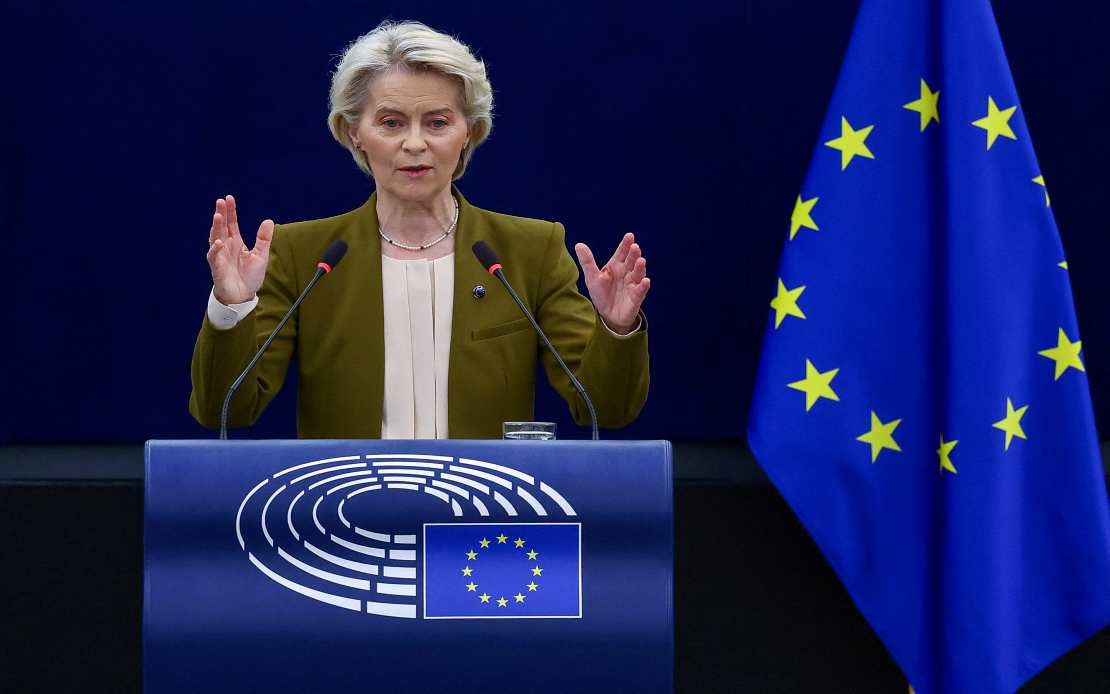
European Commission President Ursula von der Leyen announced the assistance on Wednesday, emphasising the bloc's commitment to standing alongside Colombia during this critical period of emergency response. The statement underscored that the European Union remains prepared to deploy resources wherever necessary as Colombian authorities grapple with the immediate aftermath of the earthquake and the complex logistical challenges of coordinating large-scale relief operations across multiple disaster zones.
The funding package is designed to address the most pressing humanitarian needs identified in Colombian regions affected by the tremor. The assistance will support the procurement and distribution of essential health supplies, clean water provisions, sanitation infrastructure and hygiene materials critical for preventing disease outbreaks in crowded emergency shelters. Beyond these immediate survival necessities, the funds will also facilitate the provision of temporary shelter for displaced families, emergency food supplies and targeted cash assistance programmes to help vulnerable populations cope with sudden loss of income and livelihoods.
In a demonstrable sign of immediate engagement, the European Commission had already transferred €100,000 to the German Red Cross on Tuesday specifically for deployment in the severely impacted regions of Chocó and Valle del Cauca. This preliminary allocation is intended to meet the urgent requirements of approximately 2,500 families currently displaced and facing severe hardship in these areas. The German Red Cross, which maintains established operations in these Colombian provinces, was selected as the implementing partner due to its existing presence and established relationships with local communities and authorities.
Beyond financial contributions, the European Union is leveraging its technological infrastructure to support emergency operations on the ground. The bloc's satellite mapping services have been made available to Colombian rescue authorities and international partners coordinating relief efforts. These high-resolution earth observation capabilities can provide critical real-time imagery of affected areas, helping rescue teams identify accessible routes through debris fields, locate potential survivors, and coordinate the distribution of aid across difficult-to-reach communities in mountainous and remote districts.
For Malaysian observers and regional policymakers, the EU's rapid response demonstrates the institutional capacity of multilateral organisations to mobilise resources during international disasters. Southeast Asian nations, which themselves face significant earthquake and natural disaster risks—particularly Indonesia, the Philippines, and other zones along the Pacific Ring of Fire—can draw lessons from how the EU coordinates emergency assistance across borders. The emphasis on combining direct financial aid with technical expertise and supply chain support offers a model worth studying as ASEAN nations develop protocols for intra-regional disaster relief and international cooperation frameworks.
The European Commission has indicated that it remains actively engaged with Colombian authorities to monitor the evolving situation and coordinate assistance as new needs emerge in the coming days and weeks. This ongoing dialogue is crucial, as earthquake disaster management typically unfolds in phases, with immediate life-saving operations giving way to medium-term reconstruction support and longer-term development assistance. The commission's commitment to flexible coordination suggests European policymakers recognise that initial assessments of damage and needs will be refined as the full scope of the disaster becomes clearer.
Colombia's geographical position on the Pacific Ring of Fire exposes it to regular seismic activity, and the country has developed institutional mechanisms for disaster response and reconstruction. The international nature of the EU response, involving both Brussels-based coordination and deployment of established on-ground partners like the German Red Cross, reflects how contemporary disaster response requires seamless integration between global institutions, regional organisations, bilateral partnerships and established humanitarian networks capable of rapid activation and scaling.
The earthquake's impact on Colombia comes amid broader regional challenges in South America and underscores the interconnected nature of modern geopolitical crises. For Southeast Asian governments and organisations monitoring international disaster response frameworks, the EU's approach demonstrates how developed economies can rapidly mobilise not just funds but also technological and logistical support. As climate change increases the frequency and severity of extreme weather events globally, the mechanisms for international cooperation exemplified by the EU-Colombia response may serve as templates for regional mutual assistance in the Indo-Pacific.
Looking forward, the scale and composition of the EU's assistance—combining emergency healthcare, water security, food assistance and cash support—reflects lessons learned from decades of humanitarian interventions worldwide. The emphasis on shelter and protection suggests recognition that earthquake survivors face not only immediate physical trauma but also vulnerability to secondary risks including disease, malnutrition and exploitation during displacement. For Malaysian humanitarian organisations and government agencies involved in disaster response planning, the specificity of the EU's assistance categories provides useful benchmarks for comprehensive emergency aid planning.

