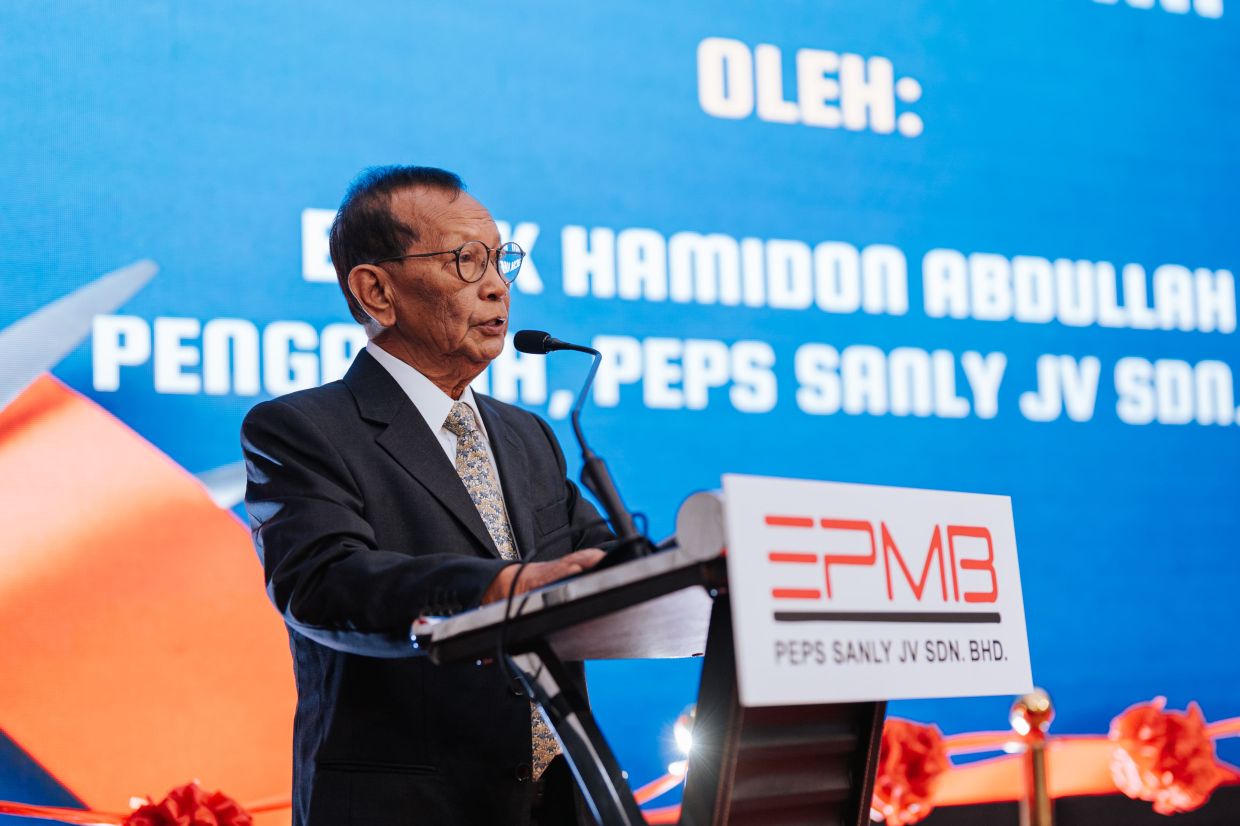
EPMB has commenced operations at a newly established manufacturing facility in Tanjong Malim, marking a significant expansion of the supplier's involvement in Proton's component ecosystem. The plant, which operates under Peps Sanly JV Sdn Bhd—a partnership between EPMB and Sanly Auto Parts Co Ltd of China—began full production in October 2025 and is situated within the Automotive High Technology Valley (AHTV), a strategic location designed to support Malaysia's automotive manufacturing ambitions.
The 9,909 square-metre facility represents a considerable investment in domestic manufacturing capacity. With a monthly output capacity of 40,000 car sets, the plant is designed to produce 480,000 units annually, positioning EPMB to meet both current and future demand from Proton's expanding model lineup. This production scale underscores the confidence both partners have in Proton's continued growth trajectory across the region and the stability of Malaysia's automotive supply ecosystem.
The Tanjong Malim facility specialises in the manufacture of three critical chassis components: front corner modules, subframe modules, and rear axle module assemblies. These complex systems are currently supplied to Proton's existing models including the AMA01 (Saga), Persona, and Iriz, with production also planned for the anticipated AMA02 and AMA05 models. The modular component approach reflects modern automotive design philosophy, enabling manufacturers to achieve greater efficiency while maintaining quality standards across different vehicle platforms.
The joint venture between EPMB and Sanly China was formally established in February 2025, following a strategic decision to relocate and expand chassis component manufacturing within Malaysia. This partnership arrangement allows EPMB to harness expertise from Sanly, a supplier with established relationships spanning China's automotive ecosystem, including connections to Geely and other major Chinese original equipment manufacturers. The collaboration demonstrates how Malaysian suppliers are increasingly integrating global technical capabilities while maintaining local production operations.
According to Hamidon Abdullah, executive chairman of EPMB, the partnership delivers tangible advantages in cost structure and manufacturing quality. By accessing Sanly's metalworking, assembly, and automotive chassis systems expertise, EPMB gains exposure to the advanced manufacturing methodologies and competitive cost frameworks that characterise China's automotive supply sector. This technological transfer is particularly valuable for components requiring precision metalworking and complex assembly processes, areas where Chinese suppliers have developed considerable efficiency advantages over recent years.
The strategic advantage extends beyond immediate cost savings. By incorporating Sanly's technical standards and manufacturing processes, EPMB positions itself to support Proton with enhanced quality assurance measures while maintaining price competitiveness. This balance between cost efficiency and quality represents a critical competitive necessity in the region's automotive sector, where Malaysian manufacturers must compete with production facilities across ASEAN and increasingly with Chinese brands entering the regional market.
The Tanjong Malim facility further solidifies EPMB's enduring relationship with Proton, a partnership spanning nearly four decades. This longevity reflects EPMB's role as a trusted supplier through multiple vehicle generations and technological transitions. The new plant becomes particularly significant as Proton executes its regional expansion strategy and transitions toward its electric vehicle roadmap—both initiatives requiring reliable, cost-effective component supply chains that can scale flexibly across multiple platforms and powertrains.
Proton's regional growth ambitions have intensified over recent years, with the national carmaker establishing manufacturing footprints and distribution networks across Southeast Asia. A capable domestic supply ecosystem becomes essential to these expansion plans, as it enables Proton to achieve competitive pricing while maintaining consistent quality across regional markets. EPMB's new Tanjong Malim capacity directly supports this regional strategy by ensuring reliable local supply of critical chassis modules.
The facility also reflects broader structural shifts within Malaysia's automotive sector. Rather than competing primarily as a final vehicle assembler, Malaysia is repositioning itself as a regional hub for automotive component manufacturing and design engineering. EPMB's expansion demonstrates how local suppliers are establishing scale-appropriate manufacturing facilities that attract regional customers while maintaining integration with global supply chains. The Automotive High Technology Valley designation signals government commitment to clustering these capabilities geographically, creating spillover benefits for the broader supply ecosystem.
Looking ahead, the Tanjong Malim facility positions EPMB to participate in Proton's electrification transition. While chassis components appear less vulnerable to powertrain disruption than engine-related parts, the modular design approach employed at the facility provides flexibility to adapt products for electric vehicle platforms. As Proton rolls out its EV roadmap, suppliers controlling sophisticated manufacturing capabilities for complex assemblies will find themselves in stronger competitive positions than those focused on traditional internal combustion engine components.
The joint venture structure itself warrants attention, as it reflects an emerging pattern within Malaysian industrial development. Rather than compete directly against Chinese suppliers, established Malaysian manufacturers are increasingly partnering with Chinese technical expertise while maintaining local ownership and operational control. This approach leverages cost and technical advantages from China's manufacturing ecosystem while preserving Malaysian employment and supply chain integration—a pragmatic response to regional competitive dynamics that other Malaysian industrial sectors may gradually adopt.

