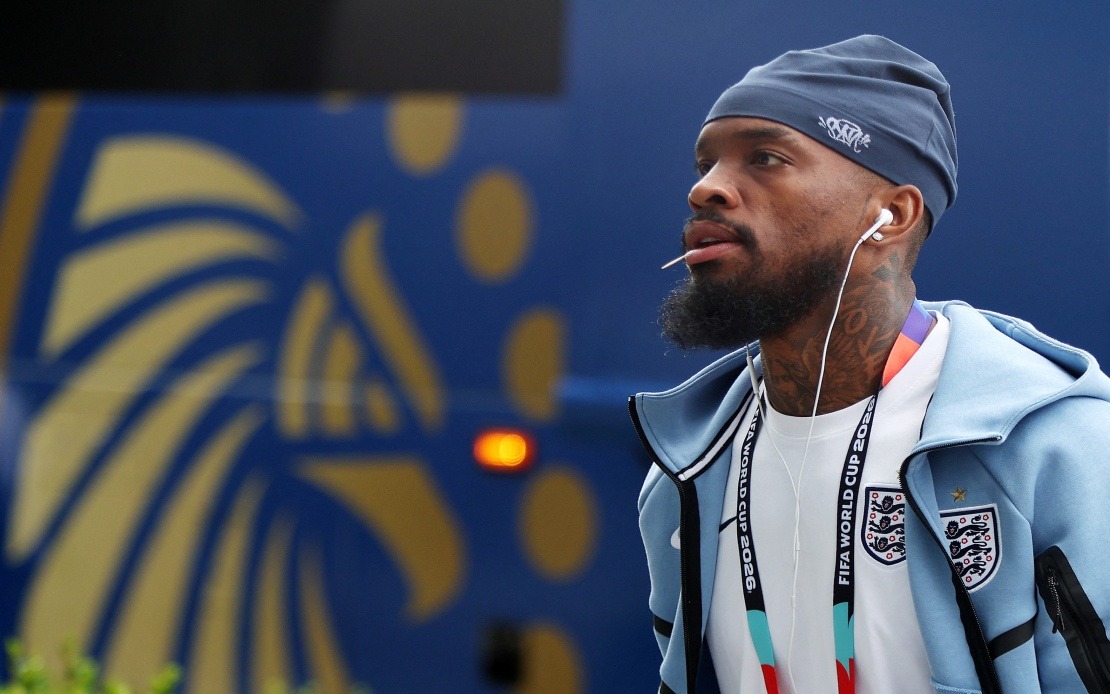
England international Ivan Toney faces assault charges stemming from an alleged incident at a Soho nightclub, marking a significant development in a case that has attracted considerable attention given the player's profile in English football. The 30-year-old striker from Northampton was formally charged on July 31 with assault causing actual bodily harm, according to the Metropolitan Police, and is scheduled to appear before Westminster Magistrates' Court on September 24.
The charges relate to an incident alleged to have occurred on December 6 last year at a venue on Wardour Street in central London's entertainment district. Wardour Street is one of Soho's principal thoroughfares, lined with bars, nightclubs and restaurants that draw crowds throughout the week. The specificity of the location and date suggests a detailed investigation by police into the circumstances surrounding the alleged assault.
Toney currently plays for Al-Ahli in Saudi Arabia's elite professional league, having transferred to the Gulf state in recent years. His move represented one of several high-profile shifts of English footballers to the Saudi Pro League, reflecting the substantial financial investments being made by clubs in the kingdom as they develop their domestic football infrastructure and international profile. The charge carries potential implications for his footballing career and international prospects.
In a statement released through his representatives, Toney acknowledged the formal charge while maintaining his resolve to contest the allegations through the legal process. "Ivan acknowledges the charge and although he is naturally shocked, he looks forward to being given the opportunity to clear his name in court," the spokesperson said. This measured response suggests a strategy focused on demonstrating innocence through judicial proceedings rather than making public statements that could complicate his legal position.
The case unfolds against a broader context of high-profile athletes facing legal scrutiny, an increasingly common occurrence in an age of enhanced accountability and public awareness. Such incidents involving professional sportspeople often generate significant media coverage and public discussion, particularly when they involve assault charges that carry potential custodial sentences. The court process will now determine the merits of the prosecution's case against Toney.
For Malaysian and Southeast Asian observers, the case reflects patterns visible across Western professional sports where athletes of international standing regularly find themselves navigating serious legal matters. The incident also illustrates the complex intersection between celebrity status, entertainment venues, and personal conduct, a dynamic that transcends geographical boundaries and remains relevant to discussions about athlete accountability across different sporting cultures.
The September 24 court date provides a timeline for resolution of the initial hearing, though proceedings in assault cases can extend considerably depending on various factors including evidence complexity and plea decisions. The outcome will be closely monitored by football observers and sports commentators across Europe and internationally, given Toney's status as a player who has represented England at international level.
Toney's career trajectory prior to these charges had positioned him as a notable figure in English football, with selection for international competition reflecting his standing as a professional athlete of considerable ability. The current situation introduces uncertainty into his immediate playing prospects and personal reputation. How the legal process unfolds and concludes will significantly shape the next chapter of his career and public standing.
The Metropolitan Police charge represents a formal conclusion to the investigation phase, moving the matter from investigation into the judicial system proper. This transition from police inquiry to court proceedings means the case will now be examined through established legal frameworks with the presumption of innocence and the requirement for evidence to meet the standards necessary for conviction. The September appearance will mark the first opportunity for detailed legal arguments to be presented in an official capacity.
For Al-Ahli and professional football more broadly, such situations raise questions about duty of care, athlete welfare during legal processes, and institutional responses to players facing serious allegations. While the football club has not made extensive public comment, such circumstances typically prompt internal discussions about support for affected players and appropriate protocols during ongoing legal matters. The club's position and Toney's continued involvement in team activities may evolve as the legal process progresses.
The incident and subsequent charges add another dimension to broader conversations about conduct standards for professional athletes, particularly those whose profiles extend beyond their immediate sport. Public figures operating in entertainment contexts, including nightclubs and hospitality venues, face heightened scrutiny regarding their behaviour and potential legal exposure. This reality reflects contemporary expectations around responsible conduct from individuals whose actions receive public attention and whose personal conduct intersects with their professional image.

