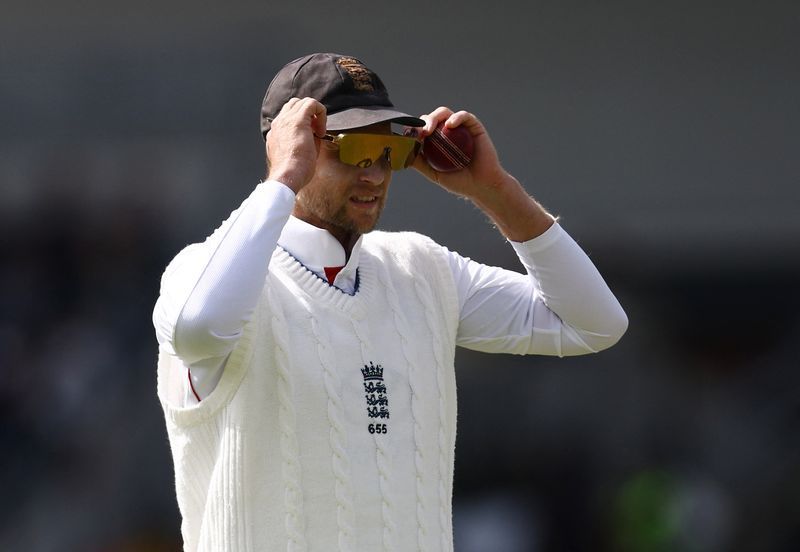
England cricket captain Joe Root has declared himself thoroughly frustrated by another off-field incident involving one of his players, signalling growing tension within the national squad as disciplinary concerns continue to overshadow on-field performances. Speaking to reporters on Tuesday, Root expressed his exasperation following the emergence of social media videos showing fast bowler Brydon Carse in handcuffs being questioned by police officers at a nightclub. The incident has prompted the England and Wales Cricket Board to remove the 31-year-old from the upcoming second Test against Pakistan, scheduled to commence on Thursday at Lord's, with young pace bowler Sonny Baker taking his place in the squad.
Carse's exclusion represents the latest in a troubling pattern of behavioural lapses that has drawn unwanted scrutiny to England's cricket culture. The bowler joins a growing list of international representatives whose conduct outside the match arena has attracted criticism, including batsmen Harry Brook and Ben Duckett, former captain Ben Stokes, and pace bowler Gus Atkinson. These recurring incidents have fuelled persistent suggestions that a problematic drinking culture has taken root within the team, casting doubt on the professionalism expected of cricketers representing the nation on the global stage.
Root's candid frustration went beyond the immediate incident involving Carse alone. Instead, the England skipper focused his criticism on the persistent pattern of poor decision-making that has become characteristic of the team's behaviour away from the field. "If I'm being brutally honest, I'm really hacked off. I'm really disappointed," he told gathered journalists. His remarks underscored not just disappointment in individual players but a broader concern that these lapses are undermining the squad's collective efforts and derailing focus from cricket itself, where the team has actually performed well.
The captain stressed that the accumulation of such incidents represents a fundamental problem requiring systematic change rather than isolated reprimands. Root highlighted that the recurring nature of the mistakes was proving detrimental to the positive momentum the team had built on the pitch. England had convincingly won the opening Test against Pakistan by an innings and 103 runs, demonstrating strong cricketing performances that should have dominated the narrative surrounding the tour. Instead, off-field scandals continue to dominate headlines and conversations, stealing attention from genuine sporting achievements.
Despite Root's evident frustration, he acknowledged that the squad has taken these matters seriously and engaged in serious conversations about standards and expectations. The captain outlined that team discussions have clearly articulated what it means to represent England and what behaviours align with playing at international level. Root expressed optimism that the culture within the squad could be reshaped, though he tempered expectations by noting that meaningful cultural transformation would require time and sustained commitment from all involved. "I think we've got an opportunity to build a culture that's very strong, something we can be proud of. Of course that's not going to happen overnight," he explained.
Root also spoke personally with Carse following the incident, gaining insight into the bowler's emotional response to his actions. The captain indicated that Carse has expressed genuine remorse and understands the severity of his conduct, though Root diplomatically suggested the player should elaborate on his perspective when opportunities arise. This personal engagement by the captain signals an attempt to balance accountability with understanding, acknowledging that even well-intentioned players occasionally make serious mistakes requiring consequences.
From a procedural standpoint, Carse's situation remains fluid pending further investigation. Although he was briefly arrested and subsequently released without charges being filed, the England and Wales Cricket Board has initiated an independent inquiry through the Cricket Regulator to determine whether his actions constitute a breach of the ECB's code of conduct. This parallel investigation process represents a significant step beyond simple match selection decisions, potentially resulting in longer-term disciplinary measures that extend beyond squad exclusions.
The timing of this incident carries particular significance for England's tour trajectory and the broader international cricket calendar. Following the second Test at Lord's, the team will proceed to Birmingham for the third and final Test of the series against Pakistan next month. Pakistan has travelled to England seeking to salvage the series after a heavy defeat in the opening encounter, meaning the competitive stakes remain substantial. Yet the distraction created by repeated disciplinary issues threatens to undermine England's ability to maintain the concentration and cohesion necessary for sustained success in demanding Test cricket.
For Malaysian and regional cricket enthusiasts, these developments provide instructive lessons about the challenges facing established cricket nations in maintaining professional standards across all aspects of player conduct. England's difficulties reflect broader questions about how modern cricket teams balance the pressures of contemporary professional sport with the traditional expectations of national representation. The situation also underscores how digital connectivity and social media have intensified scrutiny of athlete behaviour beyond the playing field, meaning reputation management now extends far beyond cricket-specific concerns into broader public conduct standards.

