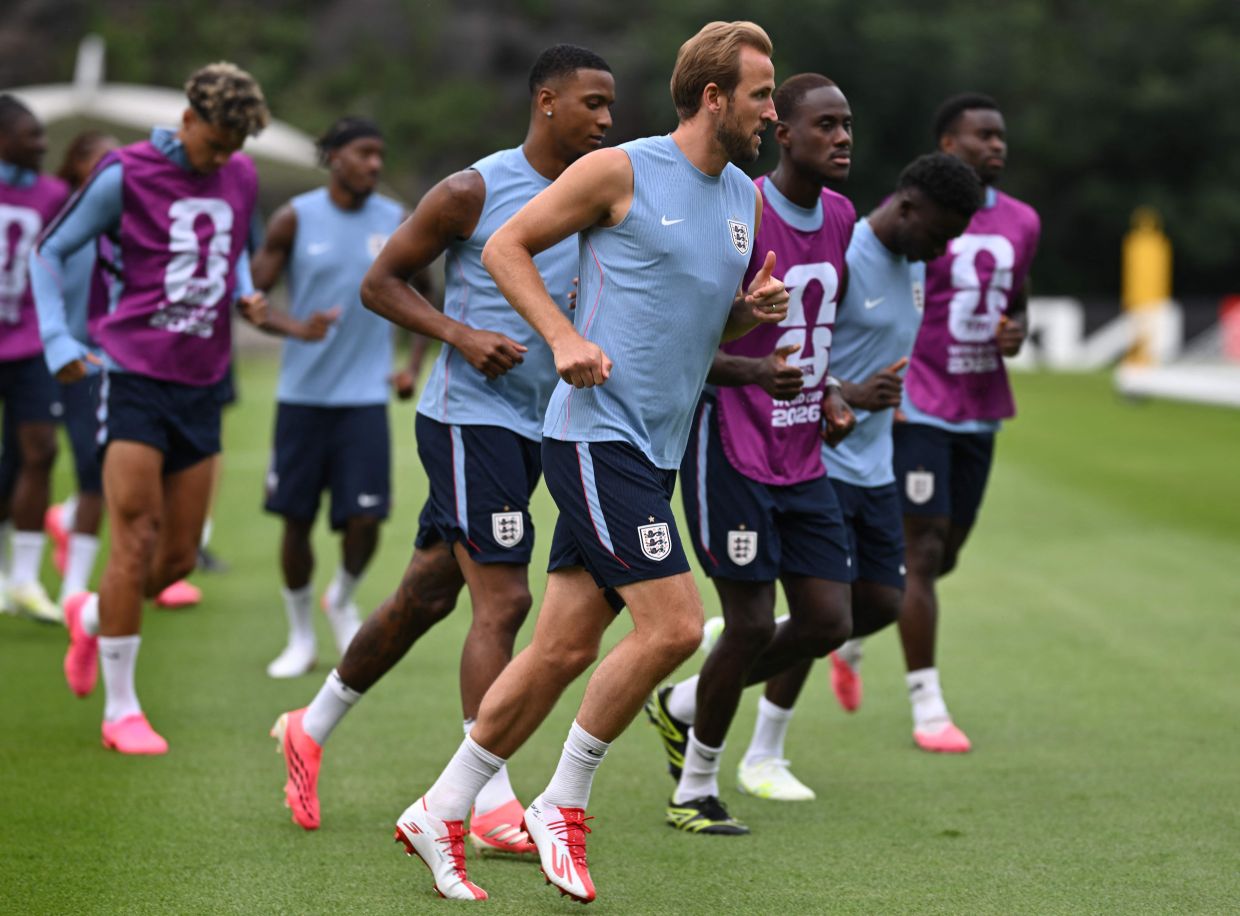
England's World Cup campaign reaches a defining moment on Sunday as the Three Lions take on Mexico in one of the tournament's marquee encounters, contested at the storied Estadio Azteca in Mexico City. The winner advances to a Miami quarter-final while the loser's campaign ends abruptly. Simultaneously, Norway's potent attacking force, led by Manchester City sensation Erling Haaland, will attempt to upset Brazil at New Jersey's MetLife Stadium, with the victor earning a last-eight berth against the England-Mexico winner. These two round-of-16 showdowns represent the next phase in a tournament already shaped by France and Morocco's advancement a day earlier.
Thomas Tuchel's England side arrives in Mexico having navigated a troubling path through the group stage, their status as pre-tournament favourites severely tested. The Three Lions managed only a narrow 2-1 victory over the Democratic Republic of Congo to reach the knockout rounds, with captain Harry Kane's crucial late double rescuing what had threatened to become an embarrassing campaign. England entered this World Cup carrying the weight of a 60-year title drought, with genuine expectations that this squad possessed the quality to finally end that curse. Instead, they have struggled tactically and visibly lacked the cohesion and attacking verve anticipated from a squad ranked fourth in FIFA's standings. Their defensive vulnerabilities, particularly along the right flank, have exposed fundamental weaknesses that Tuchel must address before facing an increasingly dangerous Mexican side.
The Azteca presents an additional tactical challenge beyond Mexico's obvious quality. Situated 2,240 metres above sea level, the stadium's extreme altitude fundamentally alters the nature of football, reducing oxygen availability and affecting players' stamina and explosive power. Tuchel has acknowledged this imposing physical obstacle, stating bluntly that no team can adequately acclimatize in the four-day window available before kickoff. The altitude becomes a genuine factor that may determine possession patterns, pressing intensity, and the game's tempo. This geographical disadvantage, combined with Mexico's demonstrable form on home soil, creates a genuinely formidable test for England's hopes.
Mexico, conversely, arrives riding remarkable momentum. El Tri have secured four consecutive victories on Mexican territory without conceding a single goal, demonstrating both attacking prowess and defensive solidity. Their 2-0 elimination of Ecuador in the previous round represented their first knockout-stage World Cup victory in four decades, and the prospect of eliminating England before a fervent home crowd would represent a seismic achievement in Mexican football. Coach Javier Aguirre has been appropriately measured in his assessment, recognizing England's superior ranking and star-studded roster while insisting that ultimate victory will depend on executing a near-flawless tactical performance. At 67, Aguirre brings vast experience managing at this level, and his measured confidence reflects a team that has genuinely earned its position through consistent performances rather than good fortune.
Tuchel's pre-match visit to the Azteca revealed the intoxicating atmosphere surrounding this encounter. He described immediately feeling the emotional charge pervading the stadium, recognizing instinctively that this constitutes a genuine World Cup blockbuster rather than a routine knockout tie. For England, memories of 1986's infamous "Hand of God" match on this same pitch, when Diego Maradona's contentious goal eliminated the Three Lions, carry particular weight and poignancy. Returning to the Azteca four decades later carries historical significance beyond the immediate sporting stakes, adding narrative dimension to an already compelling matchup.
Weather conditions will prove another variable affecting Sunday's encounter. FIFA initially contemplated advancing the 6pm local kickoff time to avoid thunderstorms before ultimately confirming the scheduled start. Forecasts continued predicting electrical storms in Mexico City around match time, though temperatures of approximately 21°C will prove substantially more manageable than the near-record heat witnessed elsewhere during this tournament. The potential for deteriorating pitch conditions and reduced visibility could significantly impact play, particularly affecting crossing patterns and set-piece execution.
Simultaneously in New Jersey, Norway presents Brazil with an unexpectedly formidable obstacle despite the South Americans' superior ranking and World Cup pedigree. Haaland has emerged as this tournament's most lethal attacking threat, accumulating five goals across just three appearances. The Manchester City striker's pace, strength, and ruthless finishing have dismantled defences with alarming regularity, yet he will confront defenders intimately familiar with his tendencies. Gabriel Magalhaes, Brazil's central defender, and Marquinhos both compete regularly against Haaland in the English Premier League and European club football respectively, affording them invaluable knowledge of his movement patterns and preferences.
Brazil coach Carlo Ancelotti has adopted a philosophical approach regarding the Haaland threat, suggesting that his defenders require no special tactical instruction given their extensive experience opposing the Norwegian. This confidence reflects both the quality of Brazil's defensive personnel and Ancelotti's managerial composure. Nevertheless, facing Haaland in a World Cup knockout represents a genuine challenge; tournament football amplifies individual brilliance in ways that regular club competition cannot replicate. Norway coach Stale Solbakken has emphasized the necessity of maintaining focus on tactical execution rather than becoming overwhelmed by the magnitude of facing five-time world champions. His pragmatic assertion that Brazil no longer commands the overwhelming favouritism they possessed in previous World Cups acknowledges realistic shifts in global football's competitive balance.
The MetLife Stadium will host its own meteorological complications, with severe thunderstorms forecasted and the National Weather Service issuing regional flood warnings for the area. These conditions could prove equally consequential as the Mexico City weather, potentially limiting attacking adventurism and encouraging more cautious, possession-based approaches. For Norway, adverse conditions might actually prove beneficial, as they could dampen Brazil's trademark flowing attacking football.
These two consecutive matches represent genuine football spectacle, combining historical significance, atmospheric intrigue, and tactical complexity in ways that capture why the World Cup maintains unparalleled global appeal. England's recovery from group-stage disappointment, Mexico's indigenous resurrection, Norway's stunning emergence, and Brazil's attempt to reassert continental dominance create multiple compelling narratives. The outcomes will reshape expectations heading into the quarter-finals and determine which nations advance their World Cup journeys. For Malaysian viewers observing the Mexico-England clash at the ungodly hour of 4am Monday morning, the fixture offers a compelling reason to sacrifice sleep, representing football at its most compelling and consequential. Both matches carry equal significance in determining which teams ultimately contend for World Cup glory.

