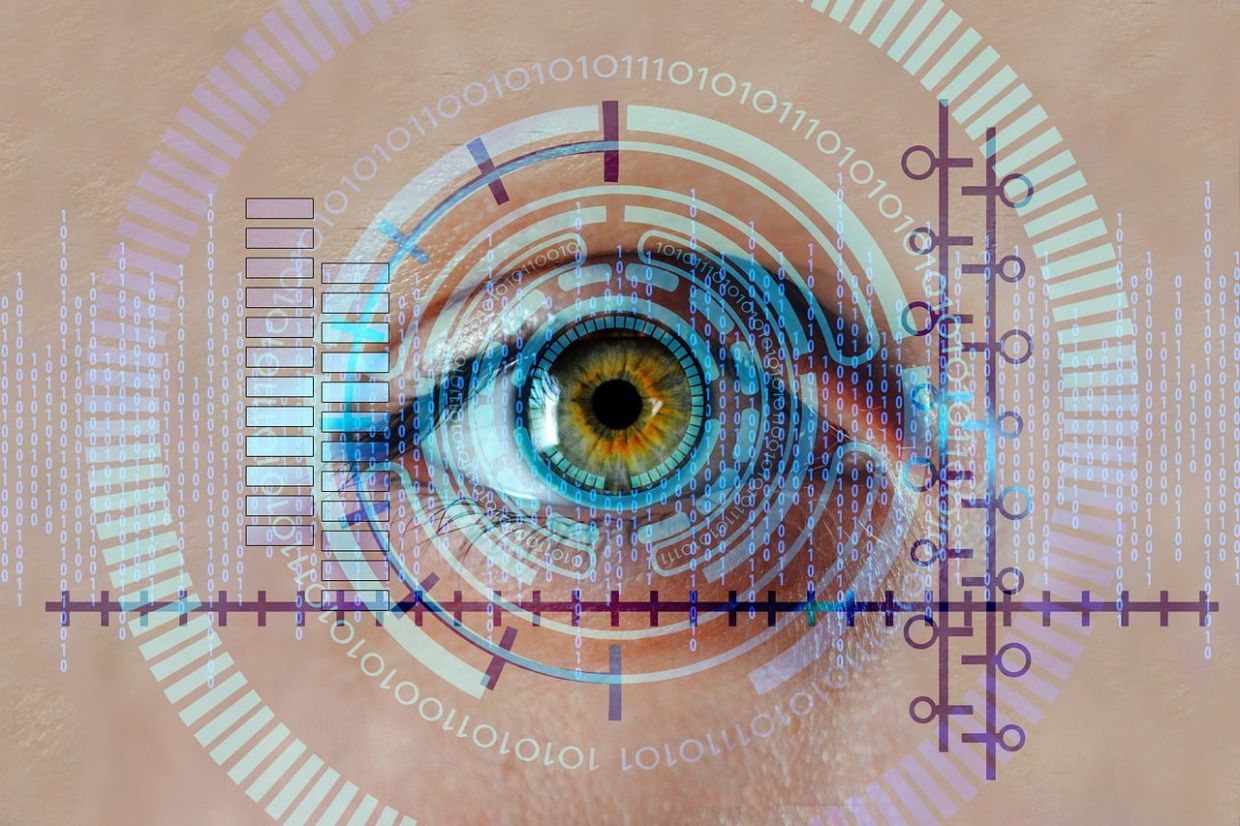
The recruitment landscape has undergone a dramatic transformation as organisations worldwide grapple with an unprecedented wave of fabricated applications and fraudulent candidates. Traditional resume screening has given way to a multi-layered authentication process that includes facial biometric scans, examination of email metadata, and even scrutiny of electrical outlets visible in Zoom interview backgrounds. This technological arms race reflects a genuine crisis threatening the integrity of hiring processes globally, with employers increasingly treating job application verification with the same rigour previously reserved for airport security and governmental access control.
The scale of the problem has prompted urgent action across the recruitment industry. Greenhouse, a major hiring software provider, surveyed approximately 1,230 recruiters and hiring managers and found that more than one-third now dedicate half their working week to filtering out "spam and junk" submissions—many created entirely by artificial intelligence systems. Hiring fraud has evolved from an occasional nuisance into a systemic threat, with companies now contending with sophisticated attempts involving stolen identities, deepfakes, and elaborate deceptions designed to secure employment positions.
The incidents documented by Gartner analysts paint a troubling picture of how far fraudsters will venture. In verified cases, recruiters have conducted entire video interviews only to have a completely different person arrive on the candidate's first day of work. Others have unknowingly hired remote workers they believed were based in North America, only to discover months later that the individual operated from an entirely different continent. These aren't isolated aberrations but patterns that prompted Gartner to project that one in four job applications received by companies will be fabricated by 2028—a sobering forecast that has spurred immediate investment in verification infrastructure.
The economic consequences of allowing fraudulent hires to slip through screening have become substantial enough to justify significant investment in new technologies. Background-check firm Checkr surveyed American companies and found that approximately 23% reported losing more than US$50,000 (RM204,260) annually to hiring fraud, with expenses mounting through delayed projects, compliance violations, and the costs associated with terminating employees and rehiring legitimate candidates. A smaller but still concerning 10% of surveyed companies experienced losses exceeding US$100,000 (RM408,520) in a single year. These figures explain why forward-thinking organisations now treat identity verification as a mission-critical function rather than an optional administrative step.
The technological solutions driving this verification revolution draw heavily from established cybersecurity methodologies long employed in high-security environments. Greenhouse's chief executive officer Daniel Chait notes that the same authentication principles underpinning airport security systems, voting infrastructure, and military installations are now being adapted for ordinary business hiring. What makes this shift particularly significant is that implementing these safeguards requires no complex infrastructure—the technology proves remarkably accessible, often as simple as capturing a selfie on a smartphone. This democratisation of security tools has enabled even small and medium-sized enterprises to adopt enterprise-grade verification protocols.
Identity verification companies have rapidly scaled their operations to capitalise on this demand surge. Clear, predominantly known for its airport fast-pass service, substantially expanded its digital verification platforms during the past year to serve both multinational corporations and smaller hiring teams. The company leverages government-issued photo identification combined with biometric facial scans to validate applicants, building on decades of experience authenticating travellers. Similarly, Persona—another identity-verification specialist—reports that vetting prospective employees now represents one of its fastest-expanding service lines, with chief executive officer Rick Song highlighting how the platform can detect suspicious patterns invisible to human screeners.
Persona's technology identifies risk indicators that traditional background checks simply cannot capture. The platform flags applications submitted from newly created email accounts, detects when a candidate's computer clock diverges from their supposed geographic location, and alerts hiring teams when someone accesses the application system through a virtual private network that obscures their actual location. The system also monitors whether IP addresses jump across the globe at speeds impossible for human travel. In one documented case, Persona identified a candidate claiming to be a Coinbase employee who had simply copied details from an actual employee's verified LinkedIn profile—a deception that would have passed conventional background checks.
Susan Dietrich, who operates Pittsburgh-based staffing firm Tops Staffing, exemplifies how mid-market recruitment operations now integrate these verification tools into daily practice. Her firm combines artificial intelligence screening with comprehensive phone interviews to confirm candidate identities and validate claimed qualifications. Dietrich has encountered candidates who listed years of supposedly accumulated work experience accumulated across just months since their previous application, and others who claimed proficiency with technical skills they demonstrably could not explain during subsequent conversations. The additional verification layer consumes substantially more time and resources, yet Dietrich considers the investment essential to protecting client interests and her firm's reputation.
The verification procedures now deployed throughout the recruitment sector would appear extraordinary outside the hiring context. At a recent Society for Human Resource Management conference attended by senior recruitment professionals, practitioners openly discussed "stalking" candidates with biometric tools during virtual interviews and tracking IP addresses long before conducting traditional background checks. Stephen Dwyer, president of the American Staffing Association, acknowledged the surveillance-like dimensions of these practices, describing them as resembling "something out of a spy novel." Nevertheless, his organisation actively trains recruiters at member firms to implement increasingly sophisticated verification protocols, including one particularly notable tactic: asking interview participants to angle their webcams toward nearby electrical outlets to confirm they are physically located in the United States.
The fraudulent applications themselves reflect changing labour market dynamics that have made deceptive practices more attractive to desperate job seekers. As hiring has contracted and job searches have lengthened—with median unemployment duration rising to 11 weeks from 10 weeks a year ago, according to US Labor Department statistics—some candidates have embraced extreme measures including impersonation and using artificial intelligence chatbots to cheat through interview processes. Simultaneously, employers face threats extending far beyond individual fraudsters. The Justice Department revealed that North Korean operatives infiltrated over 100 American companies by securing employment in remote information technology positions, with NBCUniversal, Nike, and Boeing all unknowingly hiring North Korean nationals using fabricated identification documents and falsified resumes.
Equifax research indicates that nearly three-quarters of surveyed human resources officials now encounter "challenges with fabricated or misleading candidate information" in their recruitment pipelines. This widespread problem has transformed identity verification from a specialised security function into a routine hiring requirement. More than 40% of employers recruiting temporary workers now deploy some form of identity-verification software according to Staffing Industry Analysts' initial survey of this trend, representing rapid normalisation of what would have seemed intrusive verification practices just years earlier. Financial services company Kiavi Inc, for instance, now requires candidates to complete "biometric and device validation to confirm identity and liveness," while data centre operator Equinix mandates government-issued photo identification at the start of video interviews and prohibits virtual backgrounds.
Place, a real estate company, began requiring identity verification through Clear seven months ago, requesting that candidates validate their identities using government-issued identification and a photograph. The platform now flags hundreds of potentially suspicious applications daily, allowing the company to address fraud threats at scale. Place's chief people officer Holly Priestner candidly acknowledged that the company "learned some things the hard way" before implementing these protective measures. This shift across diverse industries—from financial services to real estate to technology—indicates that identity verification has transitioned from edge-case precaution to standard industry practice, fundamentally reshaping how organisations approach recruitment in an era of sophisticated fraud and artificial intelligence-enabled deception.

