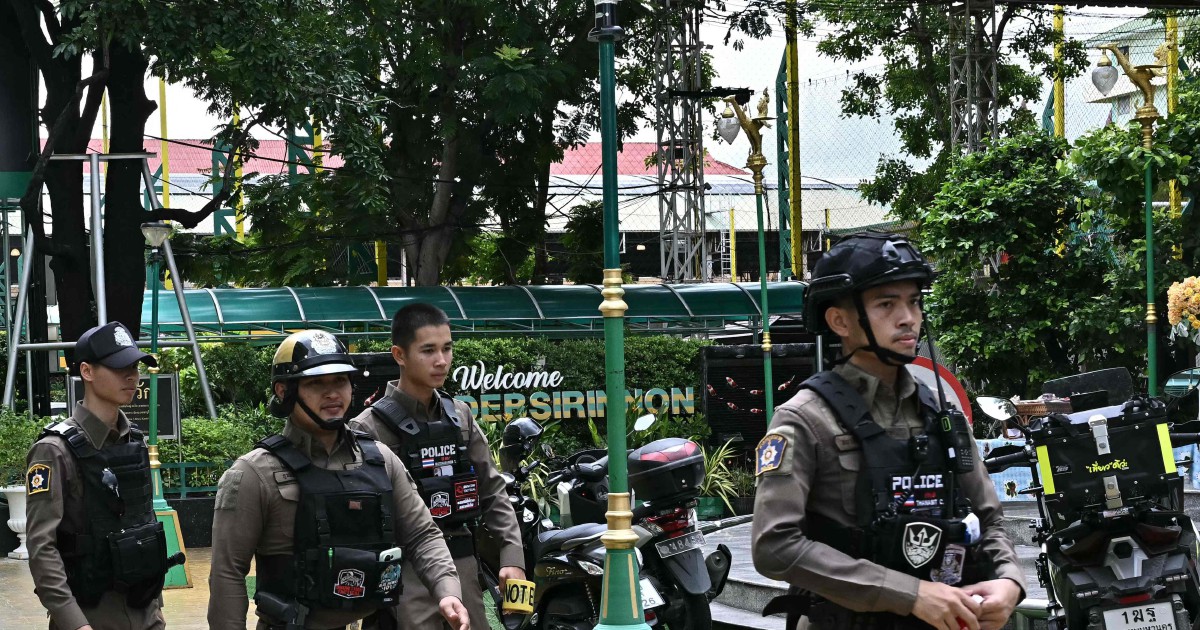
Thai law enforcement has detained a significant group of eleven French citizens since the beginning of the summer season, all arrested after authorities discovered several kilograms of cannabis concealed in their luggage. The revelation emerged this week when a police source confirmed the ongoing detentions to international news agencies, drawing attention to what officials suspect may be an elaborate international drug trafficking operation targeting unsuspecting holiday travellers.
The timing of these arrests—occurring during the peak European summer travel period—suggests a coordinated recruitment effort that exploits the seasonal pattern of holiday bookings and travel. French nationals have become the focus of the Thai drug enforcement operation, with investigators exploring whether the detainees were genuine participants in a criminal enterprise or unwitting couriers lured through deceptive offers of complimentary vacations. The distinction carries significant weight in the subsequent legal proceedings these individuals will face under Thai drug laws.
The nature of the alleged "free holiday" recruitment scheme warrants closer examination. Drug trafficking networks operating in Southeast Asia have increasingly adapted sophisticated recruitment tactics, often targeting financially vulnerable or job-seeking individuals across Europe. These schemes typically promise all-expense-paid trips as cover for transporting contraband across international borders, with couriers often unaware of the precise contents of their luggage or the severe legal consequences they face in destination countries.
Thailand has maintained stringent anti-narcotics policies for decades, with drug trafficking convictions resulting in substantial prison sentences and considerable fines. The Thai government regularly publicizes major drug seizures and arrests as evidence of its commitment to combating the trade, particularly at international borders and ports of entry. For French nationals caught within this framework, the situation represents a severe departure from anticipated holiday experiences, with legal ramifications extending far beyond Thailand's borders.
The involvement of French citizens is particularly noteworthy given France's ongoing concerns about drug trafficking from Southeast Asia. French law enforcement agencies have documented increasing seizures of cannabis and synthetic drugs originating from or transiting through Thailand and neighbouring countries. The detention of eleven nationals simultaneously suggests authorities may have uncovered a single organized operation rather than isolated incidents, potentially indicating a larger supply chain targeting European markets.
The circumstances surrounding these arrests highlight vulnerability patterns that organised crime networks systematically exploit. Young French travellers, students, or economically disadvantaged individuals seeking employment opportunities may be particularly susceptible to offers of sponsored trips. Criminal organisations banking on desperation and limited awareness of foreign legal systems use such recruitment methods to establish reliable drug courier networks across multiple nationalities and origin points.
From a regional perspective, these detentions underscore Thailand's strategic position within Asian drug trafficking networks. The country serves simultaneously as a destination for Western tourists seeking affordable beach holidays and as a crucial transshipment hub for narcotics moving toward Australian, European, and American markets. This dual function creates complex law enforcement challenges and explains why Thai authorities maintain intensive scrutiny of international travellers crossing its borders.
The legal pathway for these French nationals will involve Thai courts, where drug trafficking charges carry mandatory minimum sentences and limited mitigation options compared to European jurisdictions. French consular officials will provide assistance, but defendants must navigate a fundamentally different legal system with distinct procedures, standards of evidence, and sentencing frameworks. Families of the detained individuals now face the prospect of engaging international legal representation and potentially lengthy court proceedings conducted partly in Thai.
This case carries implications for broader Southeast Asian security and criminal justice cooperation. Law enforcement agencies across the region are increasingly sharing information about trafficking networks, recruitment methods, and source countries to disrupt organized operations before they fully mature. The Thai authorities' cooperation with international police agencies in documenting this network demonstrates the growing recognition that drug trafficking represents a transnational challenge requiring coordinated responses.
For Malaysian readers, this situation resonates deeply given Malaysia's own position as a regional transport corridor where drug trafficking concerns remain significant. The methods employed to recruit European couriers—false promises, financial incentives, and exploitation of information asymmetries—mirror tactics observed within Southeast Asia targeting local residents and migrant workers. Understanding how international criminal networks operate across the region provides valuable context for comprehending domestic and regional security challenges.
The broader implications extend to travel safety and consumer awareness. Travellers from all nations must exercise heightened caution regarding unsolicited travel offers, particularly when employment or financial gain appears disproportionately generous relative to proposed services or work. Educational campaigns warning about such schemes remain underdeveloped across many source countries, leaving potential victims vulnerable to sophisticated criminal recruitment despite the serious legal consequences.
As Thai authorities complete their investigations and court proceedings commence, the detained French nationals face an uncertain future determined largely by the intersection of Thai law, evidence presentation, and diplomatic negotiations between French and Thai governments. This case will likely influence future international anti-trafficking cooperation frameworks and may prompt enhanced consular warnings and public awareness initiatives targeting citizens planning travel to Southeast Asian destinations.

