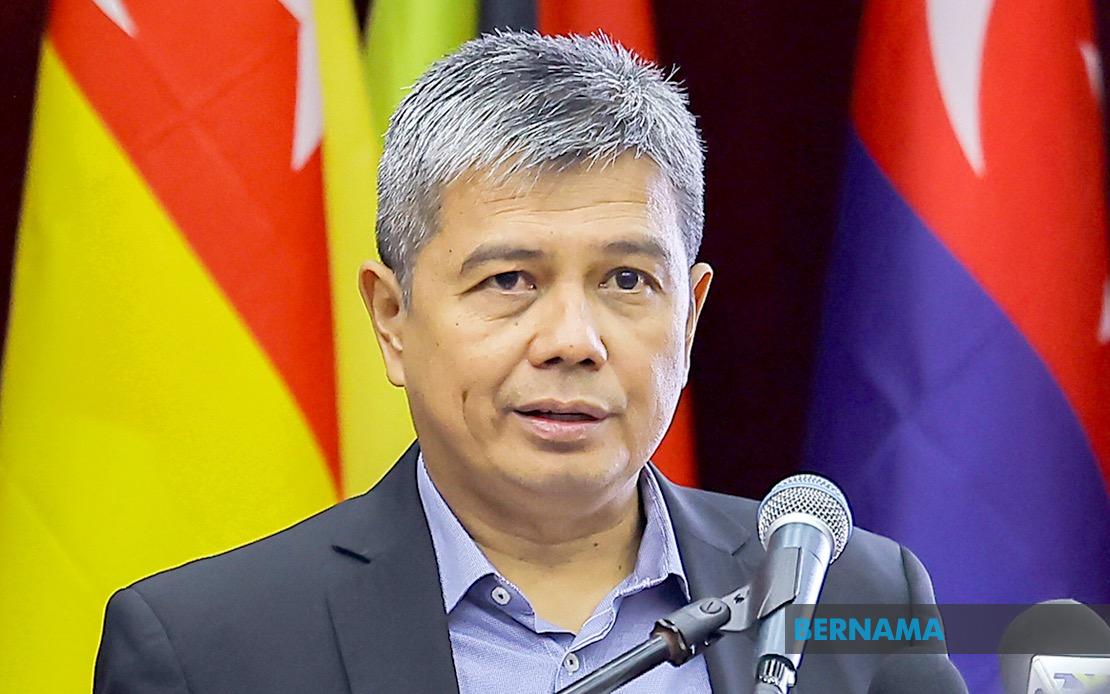
As the 16th Johor State Election moves into its final stretch, the Election Commission has issued a firm directive to all participating political parties to halt their campaign machinery at precisely 11.59 pm tonight. The enforcement of this hard deadline marks a critical juncture in the electoral process, signalling the transition from the heated battle for voter support to the formal machinery of polling day itself. Datuk Khairul Shahril Idrus, the EC's secretary, delivered the notice in Johor Bahru, emphasising that once the official campaign period concludes, there will be no further opportunity for parties to solicit votes or promote their candidates.
The scope of the campaigning ban extends comprehensively across traditional and digital platforms alike. Political parties must terminate all canvassing activities at polling centres, withdraw their physical presence from communities, and cease disseminating campaign messages across the social media ecosystem, which the EC specifically identified as encompassing Facebook, X, Instagram, TikTok, Threads, and equivalent platforms. This multi-channel prohibition reflects the modern nature of electoral communication, where digital outreach has become as consequential as street-level campaigning. The breadth of this restriction demonstrates the EC's determination to create a level playing field as voting begins, preventing last-minute persuasion tactics that could potentially influence undecided voters.
Beyond the cessation of campaign activities, the EC has also reminded all contesting parties and their candidates of a complementary prohibition: the establishment or maintenance of campaign booths—known locally as barung—on polling day itself constitutes a breach of the Election Offences Act 1954. This legislative provision underscores the importance the Malaysian electoral framework places on separating the campaign phase from the voting phase. The restriction seeks to prevent parties from maintaining an intimidating or persuasive presence at voting locations, which could inadvertently pressure voters or compromise the confidentiality of the ballot. By removing visible party infrastructure from polling stations, the EC aims to preserve the sanctity of the voting environment.
Among the practical measures the EC has implemented to ensure smooth polling procedures, restrictions on mobile phone usage within polling streams feature prominently. Voters who arrive at polling stations with cellular devices must deposit them in designated collection areas after receiving their ballot papers, retrieving them only upon completion of voting. This measure aims to prevent the covert recording of ballots or voting processes, which could undermine electoral integrity and voter privacy. The EC will display prominent notices and signage both outside and inside polling stations to communicate this requirement clearly, ensuring voters are not caught unaware by the restriction.
To facilitate orderly and efficient voting, the Election Commission has encouraged voters to cast their ballots at times recommended through the MySPR Semak application, which provides personalised voting time windows based on individual registration data. However, the EC has simultaneously emphasised voter flexibility, clarifying that registered voters may cast their ballots at any point between 8 am and 6 pm, or according to the specific operating hours gazetted for their respective polling centres. This balance between recommendation and flexibility acknowledges the diverse commitments and circumstances of voters while promoting crowd management at polling stations. By staggering voting across the day rather than concentrating it at peak hours, the approach aims to reduce queues and minimise administrative burden.
Voter identification requirements remain fundamental to the electoral process, and the EC has reiterated that voters must bring their identity cards for verification purposes before receiving ballots. Critically, the Commission has warned voters against surrendering their identity documents to anyone other than authorised election officials—a safeguard against potential impersonation or identity fraud. The EC has also advised voters to review their voting information in advance through available digital platforms, including the MySPR Semak system, enabling them to arrive at polling stations fully informed about their designated location and procedures. This preparatory step can significantly streamline the voting process and reduce processing times at individual polling streams.
The responsibility for accommodating voter participation extends beyond election officials to employers across Johor. The EC has reminded all employers that they are legally obligated under the Election Offences Act 1954 to grant employees who are eligible registered voters a reasonable opportunity to cast their ballots during the election. This employer obligation recognises that workforce participation in democratic processes requires practical support, and failure to facilitate voting could expose companies to legal consequences. For many working Malaysians, particularly those in hourly-wage or shift-based employment, employer cooperation is essential to exercising their electoral rights.
Behind the scenes, the Election Commission has undertaken rigorous pre-election preparations to ensure the machinery of democracy functions smoothly. On Thursday and Friday preceding polling day, EC officials conducted comprehensive checks on all polling equipment destined for deployment at polling streams across Johor. These inspections encompassed ballot boxes, indelible ink supplies, printed ballot papers, and voting booths—the fundamental hardware upon which the integrity of the election depends. Each piece of equipment underwent verification to confirm completeness and operational condition before distribution to Presiding Officers at individual polling streams. These meticulous preparations reflect the EC's commitment to preventing technical failures or logistical oversights that could compromise the voting experience or results.
For Malaysian voters and observers, the Johor State Election represents an important sub-national contest within the broader democratic framework. State elections such as this one serve as barometers of political sentiment between federal elections and provide opportunities for voters to assess the performance of state governments on issues of local concern. The enforcement of campaign cessation and voting procedures outlined by the Election Commission exemplifies the institutional mechanisms through which Malaysia seeks to conduct orderly, transparent, and credible elections. As voters prepare to cast their ballots tomorrow, the comprehensive guidance issued by the EC aims to ensure that each vote is recorded accurately and that the process reflects the genuine preferences of Johor's electorate.

