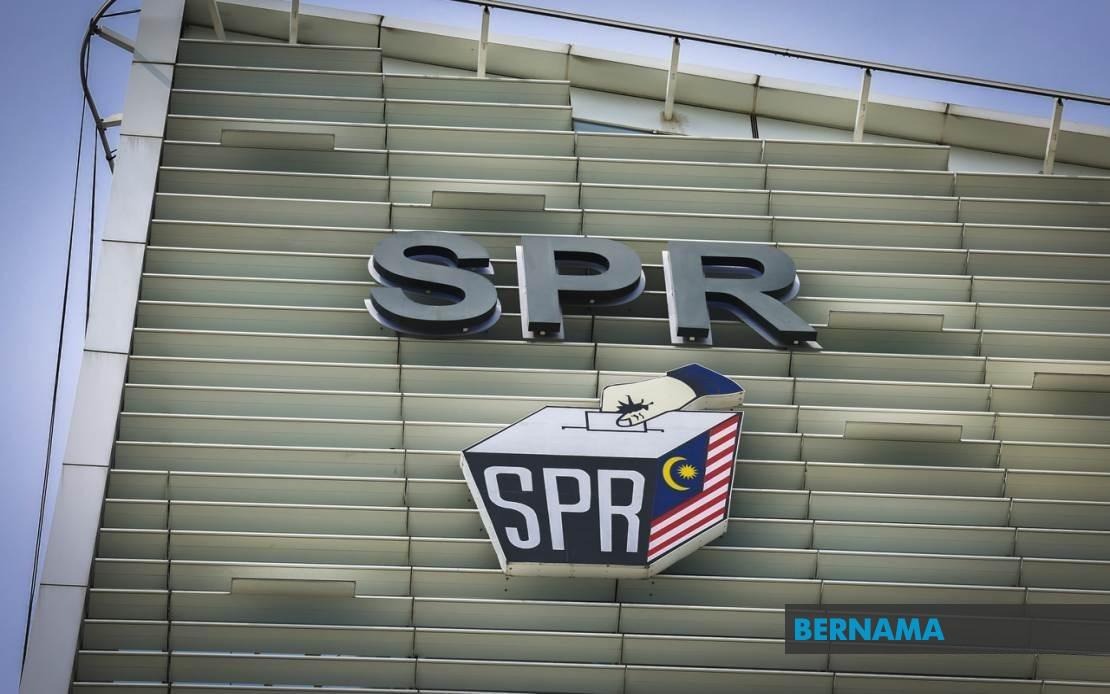
The Election Commission has completed distribution of postal ballot papers ahead of the 16th Negeri Sembilan state election, with 13,263 voting documents handed to eligible individuals across multiple categories. The rollout, conducted in Seremban on July 20, follows established postal voting procedures under the Elections (Postal Voting) Regulations 2003, ensuring that voters unable to cast their ballots on election day can participate in the democratic process.
The largest portion of distributed ballots—12,669 papers—went to election officials, members and staff of the Election Commission itself, police personnel, military members, and media practitioners working under Form 1A regulations. This category reflects the reality that those involved in managing the election logistics often cannot be present at polling stations during voting hours. The commission's decision to prioritize these groups aligns with international best practices that recognize the operational necessity of enabling election workers and security personnel to vote remotely.
A further 343 postal ballots were issued to Malaysian citizens residing overseas under Form 1B provisions, allowing diaspora communities to participate despite geographical distance from polling centres. This category has grown in significance as more Malaysians work, study, or live permanently abroad. The relatively modest number suggests that overseas voter registration remains low, though it represents a crucial democratic principle of inclusion for citizens unable to return home during election periods.
Another 251 ballots were distributed under Form 1C to officers from eleven agencies specializing in security and health sectors. This category reflects the government's recognition that frontline health and security personnel—including those in emergency response roles—must sometimes remain at their posts during elections. The precision in identifying specific agencies demonstrates the Election Commission's detailed planning to minimize service disruption while maintaining democratic participation.
Datuk Khairul Shahril Idrus, the EC secretary, emphasized that the entire distribution process operated transparently, with representatives from all 103 candidates contesting the 36 state seats present to observe proceedings. This multiparty oversight mechanism serves as a safeguard against irregularities and builds public confidence in the voting process. The involvement of independent candidate representatives further ensures that smaller political voices receive equal scrutiny rights.
Voters receiving postal ballots face specific responsibilities and timelines. The Election Commission has instructed all recipients to complete their ballot papers meticulously and fill out the accompanying Identity Declaration Form (Form 2) with full accuracy. These requirements exist to prevent disputes during vote counting and to ensure the authenticity of each ballot. The commission stressed the importance of adhering to submission deadlines, requiring all completed postal ballots to reach returning officers before 5 pm on polling day, August 1. This cutoff prevents last-minute submissions that could overwhelm counting procedures and introduces verification challenges.
Maintaining ballot secrecy remains a paramount concern for the Election Commission, which has explicitly warned postal voters against photographing their completed ballots or sharing such images via social media platforms. This directive reflects contemporary electoral challenges where digital documentation of voting choices could facilitate coercion or vote-buying schemes. The emphasis on ballot secrecy protects voter autonomy and prevents the commodification of votes in the informal economy.
The Negeri Sembilan state election represents a significant electoral event with substantial participation potential. The state's electoral roll, updated to June 4, 2026, shows 889,490 registered voters eligible to participate. This electorate comprises 867,151 ordinary voters who will vote on August 1, supplemented by 16,884 military personnel and their spouses, and 5,455 police officers designated as early voters scheduled to cast ballots on July 28. The early voting opportunity for security personnel demonstrates logistical flexibility accommodating institutional requirements.
The contest itself features considerable competition across the 36 available seats, with 103 candidates from various political parties and independent candidates seeking election. This candidate-to-seat ratio of nearly three candidates per seat suggests vigorous political competition and indicates strong interest in state-level politics among Negeri Sembilan constituencies. The diversity of candidates reflects Malaysia's evolving political landscape, where traditional party dominance increasingly encounters competitive pressure from alternative political movements.
Postal voting mechanisms have become integral to modern electoral administration worldwide, addressing the practical reality that rigid polling day voting excludes legitimate voters with unavoidable commitments or circumstances. For Malaysia's election system, the postal voting framework accommodates occupational necessities while preserving ballot integrity through multiple verification layers and transparent processes. The Election Commission's detailed regulations and public communications aim to maximize accessibility while minimizing vulnerability to fraud.
The distribution exercise also reveals the Election Commission's operational capacity to manage complex electoral logistics efficiently. Processing and issuing over thirteen thousand ballots within established timelines, while maintaining documentation, transparency measures, and security protocols, demonstrates institutional capability. This operational competence carries implications for Malaysia's ability to conduct credible elections and manage electoral processes that meet both domestic expectations and international standards.
For Malaysian voters and political observers, the postal ballot distribution signals that preparations for the Negeri Sembilan election have reached an advanced stage. With voting scheduled for August 1 and early voting beginning July 28, the election timeline is now firmly established. The Election Commission's detailed communications about postal voting procedures, submission requirements, and voter responsibilities suggest a commitment to ensuring that all eligible voters—regardless of circumstances—can participate meaningfully in determining their state's political future.

