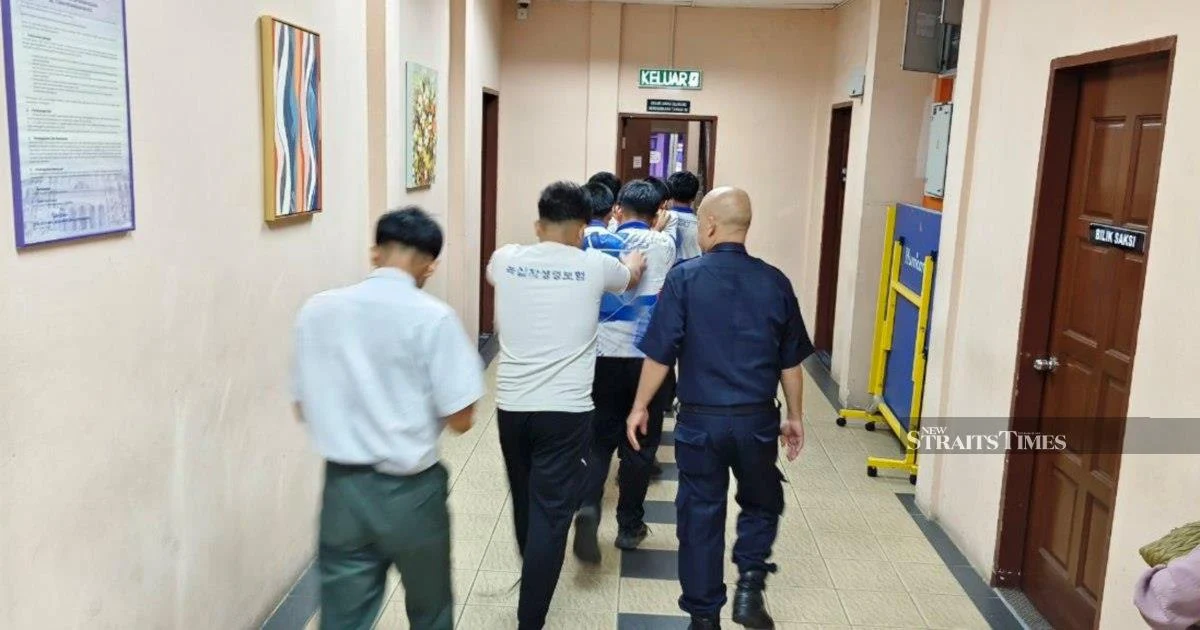
Eight secondary school students in Tawau have been arrested and detained by police following a violent confrontation allegedly rooted in the circulation of artificially generated sexual material. The incident represents an alarming intersection of technology misuse and youth violence that education and law enforcement authorities across Malaysia are increasingly grappling with as artificial intelligence tools become more accessible to teenagers.
The arrested youths, all secondary school boys, were remanded for two days to facilitate the police investigation. Authorities are examining the circumstances that led to the physical altercation and determining the extent of involvement each student had in both the creation and distribution of the explicit digital content. The case underscores how rapidly advancing AI capabilities are creating new pathways for the production and sharing of harmful material, particularly among youth who may not fully comprehend the legal and ethical implications of their actions.
The emergence of AI-generated sexual content targeting real individuals—particularly young people—has become a significant concern across Southeast Asia. Unlike traditional explicit material, these deepfake images and videos can be created without consent or knowledge of those depicted, fundamentally altering the nature of privacy violations and sexual harassment. In Malaysia, this development occurs within an existing legal framework that criminalizes the production and distribution of obscene material, yet law enforcement agencies are still adapting their investigative approaches to address AI-enabled offences effectively.
What makes this Tawau case particularly notable is that the alleged circulation of such material directly precipitated physical violence. This suggests that among the student cohort, there were serious grievances related to the creation or spread of these digital files—possibly involving unauthorized use of classmates' images or likenesses. The violence itself indicates how deeply these adolescents felt wronged, raising questions about whether existing school disciplinary and support systems adequately address digital harassment and exploitation.
Schools in Malaysia have traditionally focused on cyberbullying awareness campaigns, yet the sophistication of AI tools has outpaced many educational initiatives. Students can now generate explicit images with minimal technical skill, removing previous barriers to creating and distributing such material. This accessibility amplifies the risk of peer-to-peer harassment and the potential normalization of non-consensual sexual imagery among teenage populations. The Tawau incident demonstrates that the problem has moved beyond isolated cases into territory where it can trigger community-wide conflict.
The police investigation will likely examine multiple dimensions: whether the material was created specifically to humiliate or harass identified individuals, the methods and platforms used for distribution, and whether any adult grooming or exploitation was involved. Malaysian law enforcement agencies have been strengthening their digital forensics capabilities, particularly in relation to sexual offences involving minors. However, each new technology presents fresh investigative challenges, from preserving digital evidence to establishing the chain of custody for AI-generated files.
Parental awareness remains critically low across Malaysia regarding AI-generated content risks. Many parents are unfamiliar with the tools their children can access and the ease with which explicit material can be fabricated. Unlike traditional pornography, which requires deliberate seeking out, AI generators can be accessed through mainstream technology platforms and social media. Education campaigns need to reach both teenagers and their families, explaining not only the legal consequences but also the psychological harm inflicted on victims of non-consensual deepfake material.
The incident in Tawau also raises questions about peer culture and social dynamics within schools. When disputes over digital content escalate to physical violence, it reflects broader tensions that school administrations must address. Were there existing tensions between friend groups that the content dispute exacerbated? Did students feel they lacked appropriate channels to report their concerns about harassment? Understanding these contextual factors is essential for preventing similar incidents at other schools.
From a regulatory perspective, this case highlights gaps in Malaysia's current legal framework. While existing laws address obscene materials, the specific question of AI-generated sexual content—particularly involving realistic depictions of identifiable people or minors—requires clearer statutory guidance. Other jurisdictions are beginning to implement dedicated legislation; Malaysia's lawmakers may soon need to consider similar measures. The communications and multimedia content regulator has authority over online platforms, yet the rapid proliferation of AI tools creates enforcement challenges that require coordination between multiple agencies.
The detention and investigation of these eight students will likely result in important precedent regarding how such cases are handled within the Malaysian justice system. While accountability is necessary, the response must also consider that these are minors who may themselves require intervention regarding their understanding of consent, digital ethics, and the impact of their actions. Rehabilitation alongside accountability should be the overarching approach.
Educators and child protection advocates across Southeast Asia are watching the Tawau case closely, as similar incidents are expected to emerge as AI accessibility increases. Schools must move quickly to integrate digital literacy and ethics education that specifically addresses AI-generated content. Parents, meanwhile, need practical guidance on monitoring their children's technology use without invading privacy. Ultimately, addressing this issue requires coordination between education institutions, law enforcement, technology companies, and families to establish norms that protect young people from both creating and becoming victims of AI-generated sexual material.
The investigation outcomes will provide valuable insights into how Malaysia's legal and educational systems respond to this emerging threat, potentially informing best practices across the region as other countries confront similar challenges with their own student populations.

