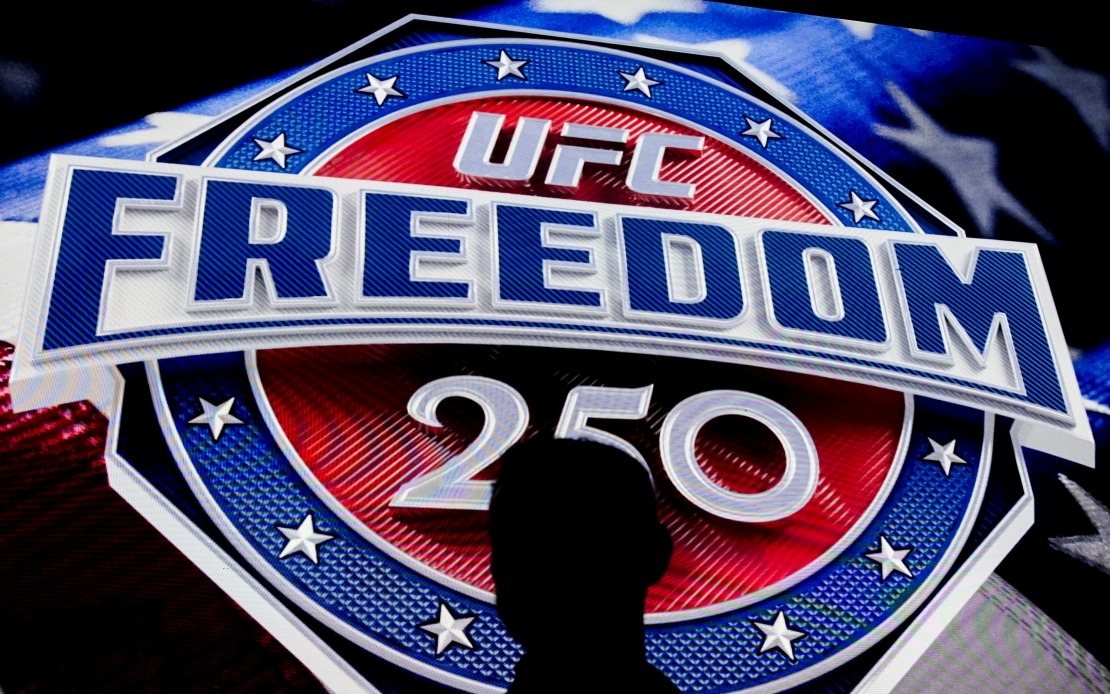
Eight individuals have been charged with serious federal offences related to an alleged conspiracy to attack a mixed martial arts event hosted at the White House during celebrations of US President Donald Trump's 80th birthday, the Department of Justice announced this week. The suspects face charges including conspiracy to provide material support to terrorists, conspiracy to commit murder on federal government property, and conspiracy to assassinate a federal government official. If convicted on all counts, they could receive life sentences, underscoring the severity with which authorities regard the alleged plot.
The scheme, according to prosecutors, involved a multifaceted attack strategy that would have targeted attendees at the Ultimate Fighting Championship's "UFC Freedom 250" event. Federal investigators determined that the conspirators intended to deploy explosive-laden drones around the venue to force an evacuation, creating chaos and panic among those fleeing the location. Once the crowd dispersed, the plotters allegedly planned to position snipers at strategic positions to eliminate what they characterised as "high-value targets"—terminology typically referring to government officials and other dignitaries of significant importance.
The UFC event in question took place on June 14 in a specially constructed arena positioned outside the South Lawn of the White House. The high-profile gathering attracted Trump himself, multiple members of his immediate family, and several senior cabinet officials, making it an extraordinarily sensitive security environment. The event's location at one of the world's most heavily protected facilities and its timing coinciding with the US President's presence underscored both the ambition and the audacity of the alleged plot.
While the event was timed to coincide with Trump's birthday milestone, organisers officially framed "UFC Freedom 250" as part of broader celebrations commemorating the 250th anniversary of American independence. This dual narrative created an unusual backdrop for what would have been a major national security incident had the alleged plot succeeded. The distinction between the birthday celebration and the independence anniversary demonstrates how high-profile events in the United States are often layered with multiple political and cultural significance.
Authorities have made arrests in phases throughout the investigation. Law enforcement previously announced the apprehension of seven suspects connected to the conspiracy. However, a critical eighth suspect—a 21-year-old individual prosecutors identified as someone intended to serve as a sniper in the attack—was arrested more recently in West Virginia. This individual's late capture suggests that the investigation continued to unfold and develop even after the initial wave of arrests, indicating the complexity of tracking and apprehending all participants in such networks.
The arrests were coordinated through a federal grand jury based in Columbus, suggesting that the investigation and prosecution fall under the jurisdiction of Ohio-based federal courts. The use of federal grand jury proceedings indicates that investigators believed sufficient evidence existed to move forward with serious felony charges. The conspiracy charge structure—bringing charges for conspiracy alongside substantive offence charges—is a common prosecutorial strategy that allows authorities to demonstrate coordination and shared intent among multiple actors.
The alleged employment of drone technology in the plot reflects contemporary security threats that have emerged in recent years. The use of unmanned aerial vehicles laden with explosives represents a terrorism methodology that has been employed in conflict zones globally and represents a clear concern for US homeland security officials. The integration of both technological and human elements—drones combined with sniper positions—demonstrates alleged planning that incorporated both innovation and traditional attack methods.
From a Southeast Asian perspective, the incident highlights the persistent vulnerability of major political and security events, even those occurring in heavily fortified locations such as the White House. Nations across the region hosting significant international sporting events, state occasions, or high-level political gatherings face similar security challenges and threats. The sophistication and coordination demonstrated in the alleged plot serves as a reminder that security threats have evolved substantially and now incorporate multiple methodological approaches.
The revelation of such a conspiracy underscores the ongoing responsibility of law enforcement and intelligence agencies to identify and neutralise threats before they materialise into attacks. The fact that authorities apprehended all suspected participants before any attack occurred demonstrates effective intelligence gathering and investigative work. However, the very existence of such a plot raises broader questions about recruitment into extremist networks and the radicalisation pathways that lead individuals to pursue violence against political figures and government officials.
The legal proceedings ahead will likely provide significant detail about the planning, coordination, and motivation behind the alleged conspiracy. Discovery processes and court filings will inevitably reveal more information about how the suspects communicated, sourced materials, and developed their operational plans. These details will contribute to broader understanding of contemporary domestic security threats facing the United States and may inform security protocols at similar high-profile events internationally. For regional observers, the case demonstrates both the seriousness with which American authorities treat such threats and the complexity of modern terrorism investigations.

