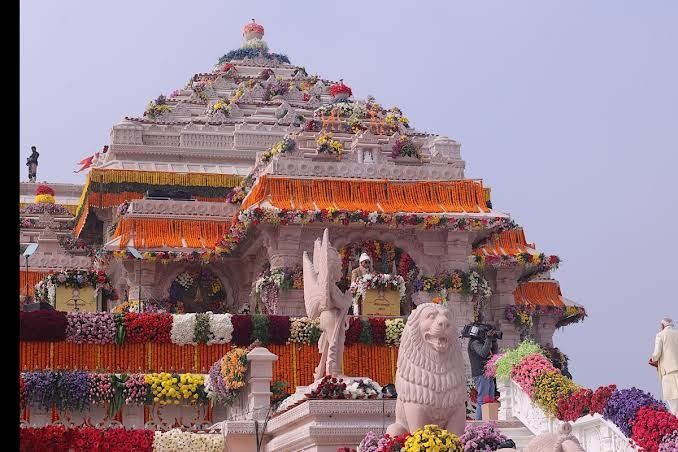
Eight individuals have been taken into custody by authorities in Uttar Pradesh following allegations of widespread theft and improper handling of donations at the Ram Mandir, one of India's most prominent religious sites. The arrests, announced Thursday following the registration of a criminal case, mark a significant embarrassment for the temple that was inaugurated with considerable ceremony earlier this year by Prime Minister Narendra Modi. The development has cast a shadow over what was intended to be a defining achievement of his administration's Hindu-nationalist agenda.
The Ram Mandir occupies deeply symbolic ground in the northern state. The structure now standing there was completed on land where the Babri Mosque had stood for centuries until its demolition in 1992 by Hindu activists. That demolition proved transformative for Modi's Bharatiya Janata Party, then operating from the opposition benches, which capitalized on the event to mobilize electoral support across Hindu-majority constituencies. The temple's eventual construction and inauguration represented the culmination of a political project that propelled the BJP to sustained dominance, displacing the secularist Congress party that had stewarded India's governance since independence.
The eight individuals arrested held positions involving direct contact with the temple's financial operations. Their duties encompassed the collection, counting, and safekeeping of monetary donations alongside precious metals including gold and silver offered by devotees. Police have charged them with criminal breach of trust, theft, criminal conspiracy, and corruption offences. The actual scale of the alleged diversion of funds has not been officially confirmed, though opposition parties and media investigations suggest losses may total more than US$20 million—a figure that would represent a substantial proportion of the donations accumulated since the temple's opening.
This episode has triggered considerable distress among the temple's donor base, who believed their contributions were supporting a sacred institution. Viti Saxena, a 44-year-old homemaker who had made donations to the temple, expressed deep dismay at the allegations. She questioned whether her own contributions had reached the temple's coffers or been diverted, characterizing the scandal as bringing international disrepute to the faith. Her sentiments reflect broader concerns within India's Hindu community regarding the apparent breach of trust at an institution they regard with profound spiritual significance.
The financial dimensions of this incident warrant careful examination. The temple's original construction, completed at an estimated cost of US$240 million, was financed entirely through public donations collected by the managing trust over many years. That such a massive fundraising effort was vulnerable to internal theft raises questions about the oversight mechanisms governing major religious institutions in India. The authorities' failure to detect or prevent such alleged losses during the temple's operational period, particularly given the institution's profile and the scrutiny it receives, points to potential gaps in governance and accountability structures.
Uttar Pradesh Chief Minister Yogi Adityanath, whose state government established the Special Investigation Team examining the allegations, has publicly committed to ensuring thorough accountability. In a statement accompanying the arrests, Adityanath promised that every guilty individual would face the full force of the law. His public pronouncement reflects the political sensitivity surrounding the case, given his personal association with the temple project and the Hindu-nationalist ideology that the structure symbolizes within his administration's broader political framework.
The timing and nature of these arrests carry implications that extend beyond the immediate criminal investigation. For the ruling BJP and its supporters, the scandal threatens to undermine claims of effective governance and ethical stewardship of national institutions. Hindu devotional communities, who constitute a core electoral constituency for the party, face disillusionment at discovering that an institution they had supported with both financial contributions and spiritual devotion may have been compromised by internal malfeasance. The broader Hindu-nationalist movement, which had positioned the temple's construction as a triumph of cultural reclamation and religious assertion, must now contend with the uncomfortable reality that corruption and criminality operated within its most visible achievement.
For other religious and charitable institutions across India, the Ram Mandir case underscores ongoing challenges in implementing robust financial controls and transparency mechanisms. The ability of substantial sums to be allegedly diverted over what appears to be an extended period suggests that many temple trusts, charities, and religious organizations may operate with inadequate safeguards. The case will likely prompt calls for stronger regulatory frameworks governing the management of temple finances and donor contributions, particularly for large, high-profile institutions that attract considerable public support.
The investigation also raises questions about how such alleged irregularities remained undetected for a prolonged period. Temple management, donors, and audit oversight bodies all face implicit scrutiny regarding their respective responsibilities in catching financial misconduct. The Special Investigation Team's progress in apprehending suspects suggests that once irregularities were formally flagged, authorities moved expeditiously, indicating that systemic detection mechanisms rather than investigative capacity may have been the limiting factor.
This episode demonstrates how high-profile religious and political projects, regardless of their ideological significance or public support, remain vulnerable to the criminal conduct of individuals within their administrative structures. The Ram Mandir's prominence—both as a spiritual site and as a symbolic centerpiece of Modi's political agenda—makes the scandal particularly consequential for public discourse in India and among diaspora communities worldwide. The manner in which authorities handle the investigation and prosecution, and the temple management's subsequent reforms to prevent recurrence, will substantially influence public confidence in both the institution and the broader institutional governance standards within India's religious sector.

