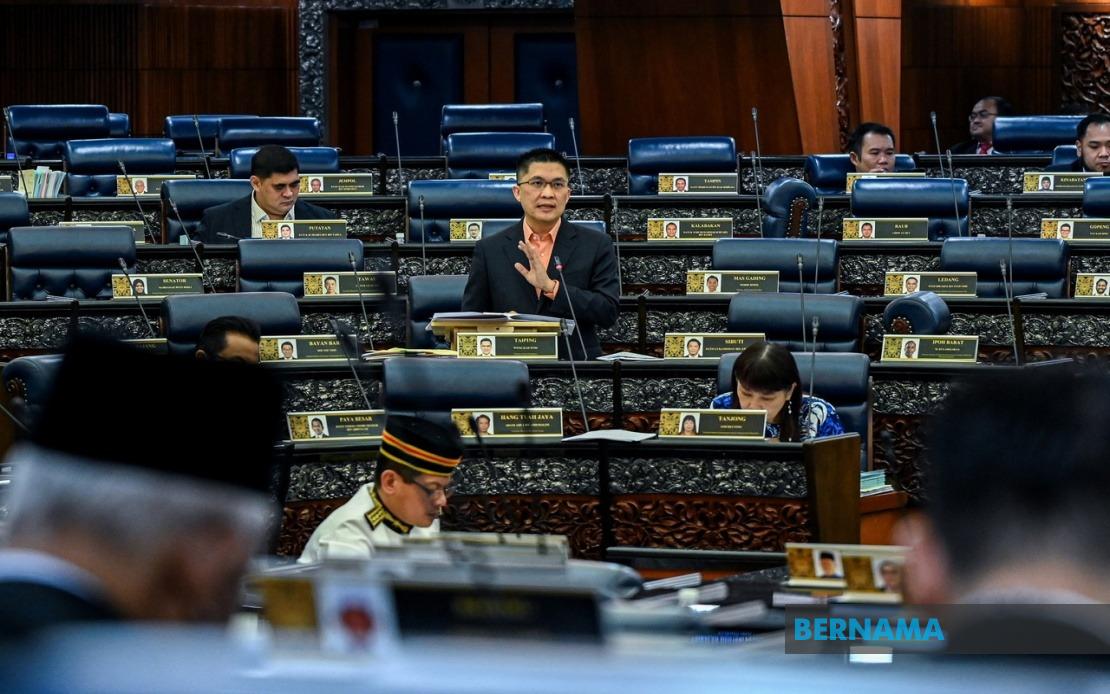
The Ministry of Education has renewed its commitment to closing the digital divide that continues to separate Malaysia's urban and rural students, pledging that the implementation of the Malaysia Education Blueprint 2026-2035 will include comprehensive infrastructure strengthening across the nation's educational institutions. Deputy Education Minister Wong Kah Woh outlined the strategic direction during parliamentary proceedings, emphasizing that geographic location will no longer determine whether students have meaningful access to digital learning tools and high-speed internet connectivity. This initiative recognizes that despite decades of development, significant disparities persist between schools in metropolitan areas and those serving remote communities, creating educational disadvantages that compound over time and limit opportunities for rural youth.
The ministry's approach centers on ensuring every school achieves baseline digital connectivity standards, with particular emphasis on providing students with opportunities to develop at least intermediate-level digital competency. The Digital Competency Score framework will serve as a measurable benchmark, allowing educators and policymakers to track progress and identify institutions that require additional support. This systematic approach represents a shift from piecemeal interventions toward a coordinated strategy that recognizes digital literacy as a fundamental educational requirement rather than an optional enhancement. Wong's statements indicate the ministry recognizes that students unable to develop digital skills in their formative years face significant disadvantages in higher education and the modern job market, where technological proficiency is increasingly non-negotiable.
Central to this strategy is the Digital Education Policy framework and the Digital Educational Learning Initiative Malaysia (DELIMa) platform, which functions as a comprehensive repository of teaching and learning materials accessible to educators and students nationwide. The platform represents an attempt to democratize educational content, enabling teachers in resource-constrained rural schools to deliver lessons with quality comparable to those in well-funded urban institutions. By uploading all relevant digital materials to DELIMa, the ministry aims to eliminate content disparity while reducing the burden on individual schools to source and develop their own educational resources. However, the platform's effectiveness depends entirely on reliable internet infrastructure, making simultaneous investment in connectivity essential to the overall digital transformation agenda.
To complement the DELIMa initiative, the ministry is implementing equitable distribution protocols for digital devices and educational resources across all schools. This fairness-focused approach acknowledges that historical investment patterns have favored urban and better-performing schools, creating cumulative advantages that persist across years. By systematically addressing allocation disparities, the ministry seeks to correct these imbalances and ensure rural schools receive their proportionate share of technology investments. The emphasis on equity reflects growing recognition that educational outcomes depend not merely on student effort or teaching quality, but also on the material conditions under which learning occurs. Schools lacking basic digital infrastructure cannot realistically compete with their urban counterparts in preparing students for contemporary educational and career pathways.
Evidence from the previous Malaysian Education Development Plan 2013-2025 demonstrates that targeted interventions can meaningfully reduce long-standing achievement gaps. The performance differential between urban and rural students on the 2024 Sijil Pelajaran Malaysia examination narrowed by 26.23 percent compared to baseline measurements, suggesting that policy-driven investments can overcome geographic disadvantages. Perhaps more encouragingly, gender-based achievement gaps contracted by 52.78 percent during the same period, while disparities tied to socioeconomic status declined by 57.75 percent. These improvements, though modest in percentage terms, represent thousands of additional students gaining access to quality education and achieving credentials that open pathways to higher learning and skilled employment. The RPM 2026-2035 framework appears designed to accelerate this progress by prioritizing infrastructure as the foundation upon which other educational improvements can build.
The ministry's commitment extends beyond connectivity to encompass physical infrastructure rehabilitation, particularly focusing on schools in deteriorating condition that frequently serve disadvantaged communities. Dilapidated facilities not only constrain academic performance but also communicate lower expectations to students and can contribute to higher dropout rates. By prioritizing school upgrades based on needs assessments rather than politically-driven considerations, the ministry signals that educational quality is a universal entitlement rather than a privilege reserved for affluent areas. Infrastructure development also addresses teacher morale and retention, as educators working in adequately resourced schools report higher job satisfaction and lower attrition rates, which directly benefits student learning outcomes.
Wong emphasized that teacher well-being constitutes an integral component of the broader education transformation strategy, noting that seven initiatives introduced since 2023 continue to reduce excessive workload pressures. The elimination of redundant record-keeping procedures and overlapping administrative requirements represents recognition that teachers' time is finite and that paperwork burdens directly reduce instructional quality. When educators spend evenings completing compliance forms rather than preparing engaging lessons or providing individualized student support, the entire education system suffers. By streamlining administrative obligations, the ministry acknowledges that classroom teaching effectiveness depends on creating professional conditions that attract and retain talented educators committed to serving students equitably.
For Malaysia's regional context, the RPM 2026-2035 digital equity initiative carries implications extending beyond national borders. Southeast Asian nations grapple collectively with rural-urban educational disparities, and Malaysia's approach to systematically bridging the digital divide may offer lessons applicable across the region. Countries with similar geographic challenges and development patterns could potentially adapt aspects of the DELIMa model or draw insights from Malaysia's experiences implementing comprehensive digital infrastructure programs. The initiative also reflects broader regional trends toward recognizing that education quality depends fundamentally on equitable resource distribution and that technology, when deployed strategically, can help overcome geographic constraints that historically limited opportunity.
Successful implementation will require sustained political commitment and adequate budgetary allocation across electoral cycles, challenges that have derailed previous ambitious education transformation initiatives. The ministry must navigate competing pressures to show visible progress in urban schools while maintaining focus on rural development, avoiding the temptation to concentrate resources where results appear more readily measurable. Coordination across multiple government agencies responsible for telecommunications infrastructure, school construction, and teacher development will prove essential, as silos between these functions have historically hindered coherent implementation. Additionally, ensuring that DELIMa content remains current, culturally relevant, and pedagogically sound demands ongoing investment in content development and teacher training, not merely platform maintenance.
The stated ambition to achieve intermediate digital competency for all students represents an achievable benchmark if the ministry commits resources proportionate to the challenge. Rural schools will require more intensive support to establish basic infrastructure, suggesting that equitable distribution cannot mean identical allocation but rather allocation calibrated to need. Teachers in schools with limited prior exposure to educational technology will need comprehensive professional development to effectively leverage new platforms and devices, adding to implementation costs. Success metrics should track not merely device distribution or internet connectivity achievement, but actual student digital skill development and how effectively teachers employ technology to enhance pedagogical practice rather than simply automating traditional approaches.
The RPM 2026-2035 represents Malaysia's most comprehensive attempt to date to systematically address the technological dimensions of educational inequality. Previous approaches often treated digital access as a supplementary addition to existing educational delivery rather than as foundational infrastructure. By positioning digital equity as central to the new blueprint, the ministry signals that bridging the divide constitutes a fundamental strategic priority rather than an aspirational add-on. Achieving this vision will require transformative investment, sustained implementation discipline, and willingness to redirect resources from established programs toward underserved communities, challenging decisions that test government commitment to equity principles when confronted with practical trade-offs. The outcomes over the next decade will significantly influence whether Malaysian students, regardless of whether they study in metropolitan schools or remote rural institutions, develop comparable technological competencies and educational opportunities.

