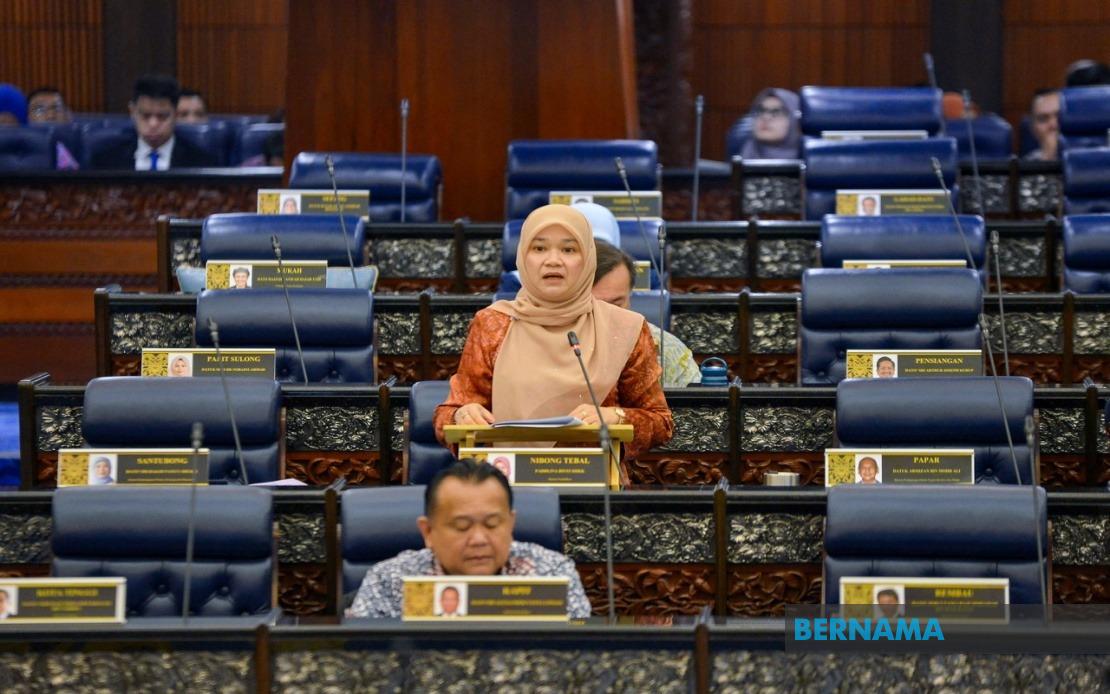
The Ministry of Education has announced a comprehensive overhaul of school safety frameworks, signalling a decisive shift towards proactive risk management across the nation's educational institutions. Minister Fadhlina Sidek outlined the initiative during parliamentary questioning, emphasising that the ministry recognises student protection as a multifaceted challenge demanding individualised assessment rather than blanket solutions. This approach reflects growing acknowledgement that school safety encompasses far more than physical infrastructure—psychological resilience, emotional wellbeing, and mental health support are now integral to the safety conversation.
Central to the ministry's reinvigorated strategy is the establishment of a dedicated inter-agency committee drawing expertise from diverse sectors and organisations. This collaborative model signals recognition that educational institutions cannot operate in isolation when addressing complex safety matters. By convening specialists from health, occupational safety, law enforcement, and community sectors, the ministry aims to create a holistic ecosystem where threats to student security are identified and neutralised through coordinated response. The formation of this committee represents a structural acknowledgement that sustainable school safety requires institutional alignment across government agencies and civil society partners.
The Safe School Management Guidelines and School Student Protection Policy, which debuted on 11 June, now serve as the foundational reference document for every educational establishment nationwide. These guidelines establish standardised protocols governing five critical intervention stages: prevention, monitoring, reporting, intervention, and enforcement. By embedding these pillars throughout the education system, the ministry seeks to ensure consistent application of safety measures regardless of school location, size, or demographic profile. This standardisation addresses a persistent weakness in Malaysian education—the variable implementation of safety protocols across diverse institutional contexts.
Technical infrastructure improvements underscore the ministry's commitment to tangible, measurable progress. The planned expansion of closed-circuit television installation to 333 schools in the current year—a substantial increase from 200 schools in 2025—represents a significant investment in surveillance capability. While CCTV expansion carries important privacy considerations that Malaysian schools must carefully navigate, the ministry's rationale centres on deterring misconduct and providing evidence for investigating incidents. Strategic placement and clear policies regarding footage access will be essential to balancing security benefits against privacy protections that young people deserve.
Staffing enhancements complement technological investments. The appointment of 300 hostel wardens commencing 1 April addresses a critical gap in overnight supervision of residential students. Hostels have historically represented vulnerability points where bullying, harassment, and safety incidents occur beyond regular school hours and administrative oversight. These additional personnel are intended to create sustained presence, establish trusting relationships with students, and respond promptly to emerging problems. The wardens' effectiveness will depend substantially on their training, cultural competency, and genuine commitment to student welfare rather than purely disciplinary functions.
The Anti-Bullying Act 2026, which commenced on 16 June, provides fresh legislative scaffolding for addressing one of Malaysia's most persistent school safety challenges. The ministry is simultaneously updating its bullying case-handling guidelines to align with this new legal framework, ensuring that institutional protocols reflect current legislation. Bullying remains a significant concern for Malaysian parents and educators, with research consistently identifying it as correlated with academic disengagement, psychological distress, and in severe cases, self-harm. By updating guidelines in tandem with legislative change, the ministry signals that bullying interventions will carry enhanced legal weight and clearer procedural pathways.
Comprehensive case assessment represents another philosophical shift evident in the ministry's approach. Rather than applying standardised punitive responses, the ministry commits to evaluating each bullying incident through a nuanced lens considering the circumstances, characteristics of those involved, and underlying causal factors. This approach incorporates input from certified counsellors whose psychological expertise can illuminate motivations and inform interventions addressing root causes rather than merely symptoms. Such individualised assessment requires investment in counselling capacity—an area where Malaysian schools have historically struggled with inadequate staffing ratios.
Parental engagement mechanisms have been explicitly strengthened through multiple channels. The Parent-Teacher Association, Parent, Community and Private Sector Involvement initiative, and relevant external agencies now constitute formal components of bullying response protocols. Parents increasingly demand visibility into school safety processes and desire partnership in addressing threats to their children's wellbeing. By institutionalising parental involvement, the ministry acknowledges that effective safety culture emerges through genuine collaboration rather than top-down implementation. This represents a departure from traditional hierarchical models where schools made unilateral decisions regarding student discipline and protection.
The National Institute of Occupational Safety and Health's involvement provides technical expertise in physical infrastructure assessment. By securing this institution's support, the ministry gains access to rigorous evaluation of building integrity, drainage systems, and fire safety protocols. These technical dimensions matter considerably—school building collapses, flooding incidents, and fire hazards represent genuine threats that institutional responses must address. However, occupational safety standards developed primarily for workplace environments may require adaptation for educational settings where young people's developmental needs and vulnerability create distinct risk profiles.
Contextualising this initiative within the broader Southeast Asian education landscape reveals Malaysia's positioning as a safety-conscious regional actor. Neighbouring countries have experienced tragic incidents involving school infrastructure failures and safety lapses, making the region acutely alert to these risks. Malaysia's comprehensive framework development demonstrates proactive governance capable of learning from regional experiences without awaiting local tragedies to catalyse reform. This approach potentially positions Malaysian schools as regional exemplars of integrated safety management.
Implementation success hinges on several critical factors often overlooked in policy announcements. Training quality for hostel wardens, CCTV installation prioritisation criteria, counsellor recruitment and retention, inter-agency coordination mechanisms, and resource allocation to schools lacking capacity will determine whether announced measures translate into genuine improvement. Historically, Malaysian education policy announcements have occasionally suffered from implementation gaps where decentralised schools lack resources or commitment to fulfil centralised directives.
The ministry's framework implicitly recognises that school safety culture cannot be imposed through guidelines alone—it must be cultivated through sustained institutional commitment, adequate resourcing, and genuine prioritisation by school leadership. The coming months will reveal whether this initiative represents transformative commitment or another policy layer added to already-stressed educational institutions. For Malaysian parents and students, tangible manifestations of safer schools—reduced bullying, quicker incident response, visible protective infrastructure—will ultimately determine whether the ministry's comprehensive framework achieves its protective objectives.

