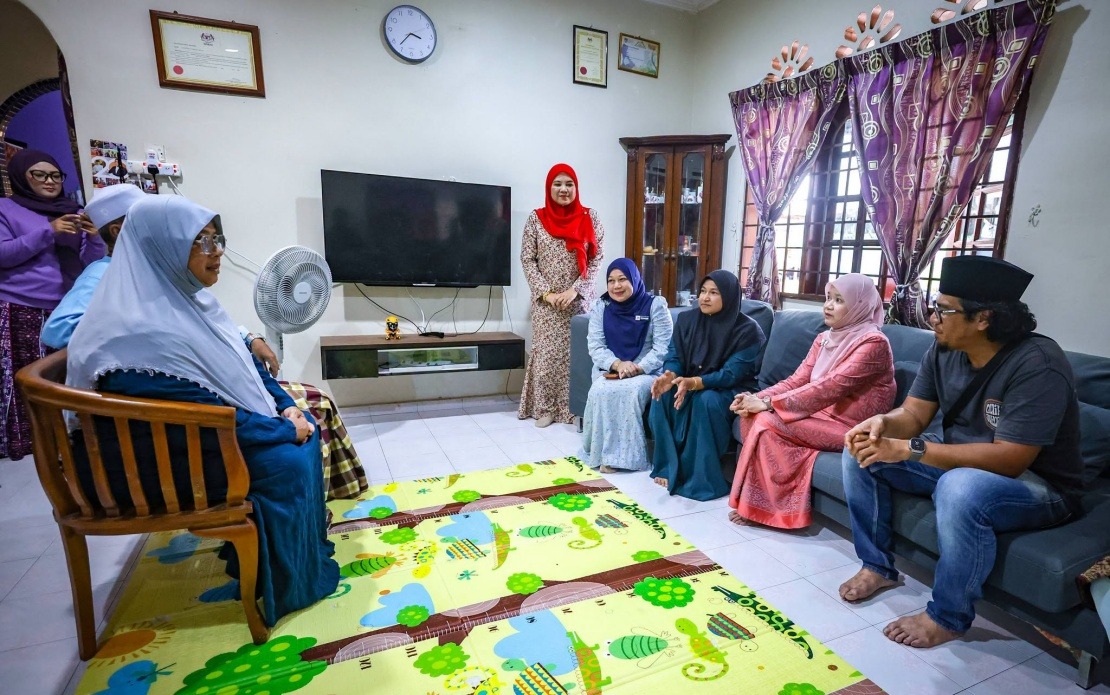
Education Minister Fadhlina Sidek travelled to Melaka on Wednesday to personally convey the Ministry of Education's sympathies to the family of Muhammad Raiyan Nufael, a Form Two student whose sudden death during rugby training has raised renewed concerns about student safety in school sports programmes across Malaysia.
The tragic incident occurred at a school in Telok Mas, with the teenager collapsing around 6 pm on Wednesday afternoon. The circumstances surrounding his death have prompted immediate scrutiny of training protocols, medical oversight, and the physical demands placed on young athletes in competitive school environments. Sidek's visit underscores the gravity with which the ministry is treating the incident, signalling both institutional responsibility and acknowledgment of the profound loss experienced by the bereaved family.
According to available accounts, the student had engaged in only approximately 15 minutes of active rugby training before the collapse occurred. What makes this timeline particularly significant is that the incident happened not during intense physical exertion itself, but rather during a subsequent briefing session delivered by the coach following a training break. The teenager reportedly experienced acute respiratory distress whilst listening to instructions, suggesting the possibility of an underlying health condition exacerbated by physical activity, or alternatively, a sudden medical emergency unrelated to training intensity.
Through a Facebook statement, Sidek expressed formal condolences on behalf of the ministry's personnel, invoking religious sentiment appropriate to the Muslim family. Her message called for the student's soul to be granted peace and asked that the family receive divine strength and patience during their period of mourning. Such public statements from senior government officials serve multiple purposes: they acknowledge official accountability, demonstrate institutional empathy, and signal to the broader education community that student welfare remains a paramount concern.
This death brings into sharp focus an ongoing debate within Malaysian educational circles regarding the balance between promoting athletic excellence and safeguarding vulnerable young participants. School rugby programmes, whilst valuable for developing teamwork, discipline, and physical fitness, require robust medical screening protocols, adequate coaching certification standards, and clear emergency response procedures. The fact that a 14-year-old could collapse with limited intervention raises questions about whether first aid responders were present, whether defibrillators were accessible, and whether coaches had received appropriate training in recognising medical distress.
The Melaka incident is not isolated within the Southeast Asian context. Previous cases of student deaths during school sports have prompted policy reviews in neighbouring countries, yet implementation gaps frequently persist. Medical clearance forms often remain perfunctory rather than comprehensive, parental consent procedures may lack informed decision-making about genuine risks, and school sports infrastructure—particularly in smaller or rural institutions—sometimes lacks emergency medical equipment and trained personnel.
From a epidemiological perspective, sudden cardiac death remains a leading cause of non-traumatic death in young athletes globally, though the actual incidence in Malaysian schools has not been systematically documented. Conditions such as undiagnosed hypertrophic cardiomyopathy, arrhythmogenic right ventricular cardiomyopathy, and long QT syndrome can remain asymptomatic until triggered by exertion. The training context—a break followed by a briefing rather than peak exertion—makes such cardiac involvement a plausible consideration, though autopsy findings would be necessary for definitive diagnosis.
The ministry's response will likely extend beyond condolence visits to encompass a broader review of school sports governance. Potential administrative actions might include mandating pre-participation cardiovascular screening for students engaging in contact sports, establishing clear protocols for emergency medical response at training venues, requiring coaching staff certification in basic life support, and reviewing liability frameworks that govern school-organised athletic activities. Such measures, whilst increasing administrative burden and potential costs, represent the contemporary standard for duty of care in developed educational systems.
For Malaysian parents, this incident presents a sobering reminder of risks inherent in youth sports participation, regardless of perceived safety standards. Those with children engaged in rugby, football, or other intensive physical activities should initiate conversations with schools about available medical oversight, emergency response capabilities, and whether their children have undergone appropriate pre-participation health screening. Parents with family histories of cardiac conditions, unexplained fainting episodes, or chest pain should particularly ensure these details are disclosed to school medical personnel.
The broader implications extend to policy coherence across Malaysia's states and federal territories. Educational governance in Malaysia is partially devolved, meaning standards can vary significantly between jurisdictions. A death in one state may trigger investigations and policy changes locally whilst remaining disconnected from improvements in neighbouring states. Establishing national standards for school sports safety—backed by legislation rather than mere guidelines—would provide consistent protection regardless of geographic location or institutional resources.
As investigations into Muhammad Raiyan Nufael's death proceed, the educational community and government ministries face an opportunity to examine systemic vulnerabilities in student athlete protection. The question is whether this incident catalyses meaningful, sustained reform or becomes another tragedy that generates temporary concern before institutional attention shifts elsewhere. The family's loss demands nothing less than a comprehensive commitment to preventing similar preventable deaths.

