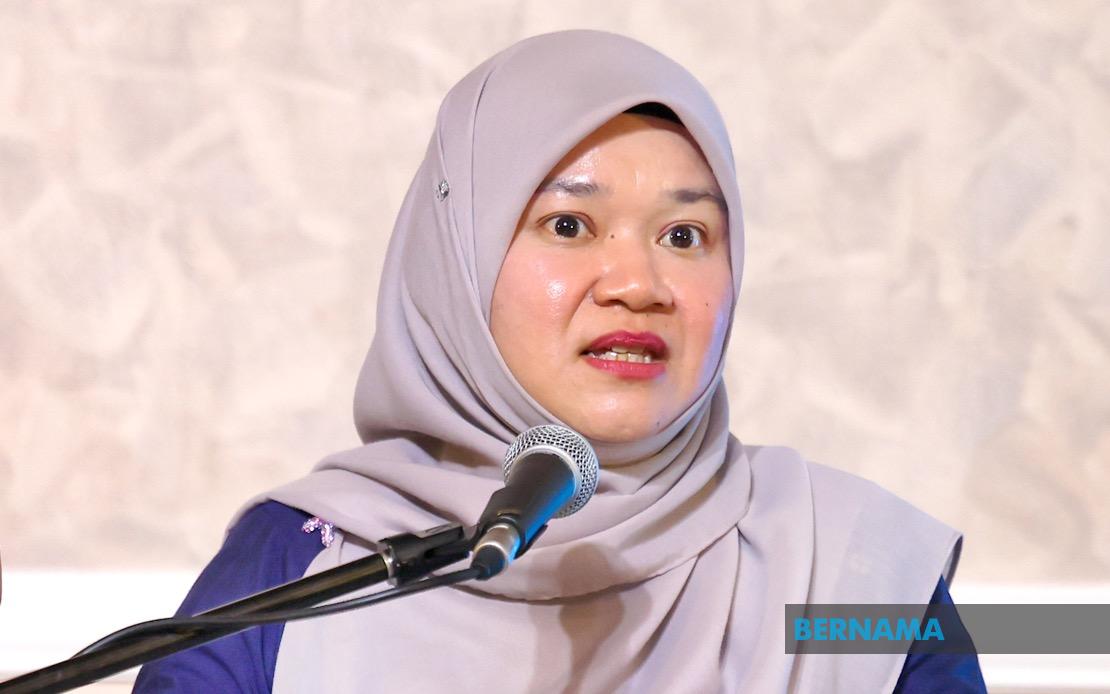
Education Minister Fadhlina Sidek, who also leads the PKR Wanita wing, has formally reported the matter to police following the spread of a fabricated video created using artificial intelligence technology. The incident marks a concerning intersection of rapidly evolving deepfake capabilities and targeted harassment in Malaysia's political sphere, raising fresh questions about how authorities and platforms will respond to this emerging threat.
Fadhlina's response reflects growing alarm among public figures over synthetic media that can convincingly depict individuals saying or doing things they never actually did. The video, described by the minister as containing malicious falsehoods, represents the kind of digital content that can spread rapidly across social media before fact-checkers or authorities can intervene. Her swift decision to escalate the matter to law enforcement signals that political leadership intends to challenge such tactics rather than dismiss them as inevitable nuisances of the digital age.
The Education Minister's statement made clear that the primary objective of circulating such material was reputational damage and character destruction. Rather than engaging with the false content directly, Fadhlina emphasised the deliberate malice behind its creation and distribution, framing this not merely as a personal affront but as part of a broader pattern of attacks targeting female politicians. This positioning reflects awareness that women in power face disproportionate levels of online harassment, a phenomenon extensively documented across democracies worldwide and increasingly visible in Southeast Asia.
Fadhlina's call for collective responsibility extends beyond her own case. By urging all stakeholders to take firm positions against slander and sexual harassment directed at women in politics, she is attempting to establish a standard of political conduct that transcends individual victims. This broader appeal suggests recognition that isolated police reports, while necessary, may prove insufficient without systemic shifts in how society and political discourse treat such matters. The implicit message is that tolerance for these tactics—whether digital or traditional—erodes public confidence in institutions and discourages women from participating fully in political life.
The emergence of AI-generated defamatory content presents law enforcement and prosecutors with novel challenges. Unlike traditional libel or slander cases built on demonstrable falsehoods spread through conventional media, deepfakes involve technological manipulation that requires specialist investigation and expert testimony. Malaysian authorities will need to establish chains of evidence regarding video creation and distribution while potentially consulting digital forensics specialists. The case may therefore set important precedents for how the country's legal framework addresses synthetic media weaponised for political purposes.
From a Southeast Asian perspective, Fadhlina's action arrives at a critical moment. The region has witnessed troubling patterns of online disinformation campaigns targeting elections, minorities, and individual political opponents. Thailand, the Philippines, and Indonesia have all grappled with deepfakes and AI-manipulated content designed to mislead voters or damage political careers. Malaysia's handling of this incident could influence how neighbouring countries approach similar challenges, particularly regarding whether authorities treat synthetic defamation as requiring specialised legal intervention or whether existing frameworks suffice.
The incident also underscores vulnerabilities in digital platforms' content moderation systems. While major social media companies have announced policies against non-consensual deepfake pornography and election-related synthetic media, enforcement remains inconsistent and reactive rather than proactive. Videos often achieve significant circulation before platform algorithms flag them for removal. Fadhlina's police report may prompt questions about whether platforms themselves should face liability for distributing such content, an issue that regulatory bodies across the region continue to debate.
Within Malaysia's political landscape, the timing and nature of this incident carry particular significance. Female politicians across party lines have become increasingly vocal about online harassment, with documentation of coordinated campaigns targeting specific women during elections and parliamentary debates. By treating the AI-generated video seriously rather than dismissively, the government signals that such attacks will not be tolerated as acceptable political discourse. This stance becomes especially important given Malaysia's history of intense political competition where reputational attacks have long been weaponised.
The broader cultural and legal implications merit consideration. Malaysia's defamation laws predate the digital age and synthetic media technology, meaning prosecutors may need to creatively apply existing statutes or argue for novel interpretations. The question of intent—essential in many defamation cases—becomes murkier when AI tools are involved. Did the creator intend malice or merely seek viral engagement? Did distributors understand the content was fabricated? These questions will likely occupy courts as cases involving synthetic media begin accumulating.
Fadhlina's stance also reflects the evolution of female political leadership in Malaysia. Rather than suffering in silence or treating digital harassment as an inevitable occupational hazard, she has chosen to mobilise institutional resources and establish public accountability. Her willingness to speak openly about being targeted, combined with her specific call for societal-level change, provides visible leadership on an issue that many women in politics face but few discuss publicly. This visibility can embolden other victims to report similar incidents rather than accepting harassment as normal.
Moving forward, the investigation will test Malaysian law enforcement's technical capabilities and legal acumen regarding AI-generated content. Success in prosecuting those responsible could establish important deterrents, while inadequate investigation might embolden future perpetrators. The case also invites broader reflection on whether Malaysia's regulatory framework, including the Personal Data Protection Act, the Communications and Multimedia Act, and the Penal Code, adequately addresses twenty-first-century threats to reputation and electoral integrity.
Ultimately, Fadhlina's police report represents one woman's response to a specific attack, but it signals institutional recognition that synthetic media weaponised against political figures constitutes a serious challenge requiring coordinated responses from law enforcement, platform operators, regulators, and civil society. As deepfake technology becomes increasingly accessible and sophisticated, how Malaysia handles this case will likely influence the country's preparedness for larger-scale disinformation campaigns and its commitment to protecting women's participation in democratic processes.