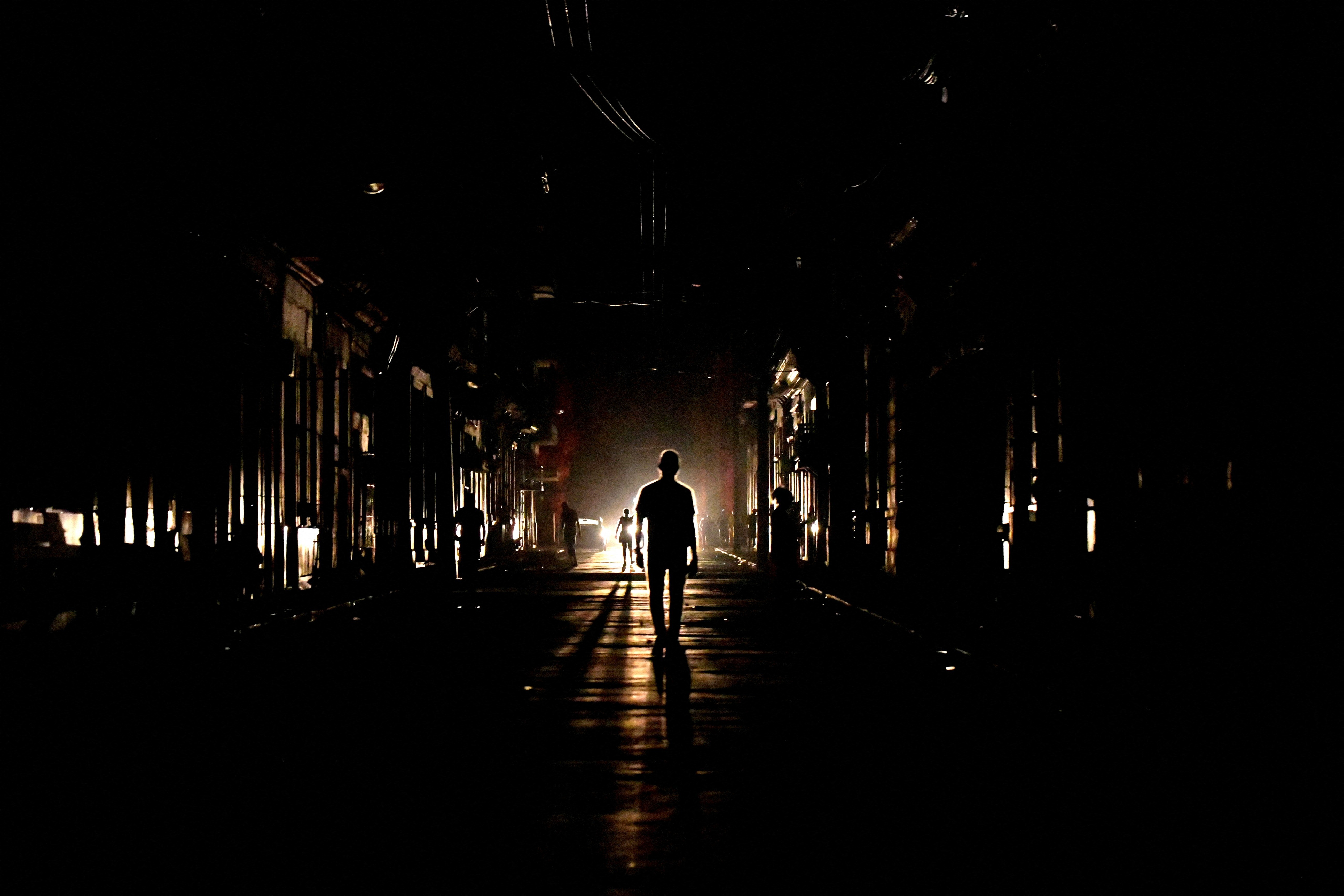
Eastern Libya experienced a severe power failure late Thursday that left cities and towns across the region darkened, with Benghazi among the hardest hit areas. The blackout, which struck without immediate warning, highlighted the fragility of the country's electricity infrastructure at a time when Libya faces mounting political division and security challenges. Footage from affected areas, particularly in Marj and central Benghazi, showed streets and neighbourhoods plunged into complete darkness, disrupting daily life for residents already accustomed to chronic power shortages.
The government's electricity ministry, operating under the eastern-based administration appointed by the House of Representatives, moved quickly to address the crisis by bringing several generation units back into operation. Within hours of the outage, officials reported that power restoration had begun on a gradual basis, prioritising critical facilities. The ministry successfully restored electricity to Benghazi's 1,200-bed hospital, ensuring that medical services could continue uninterrupted, while also reconnecting power to several neighbourhoods in the southern portions of the city.
Technicians across multiple sectors of the power system—including generation facilities, transmission infrastructure, and distribution networks—were deployed to systematically restore electricity to areas still without supply. The ministry's cautious approach to bringing loads back online reflected a broader concern about grid stability; rapid reconnections could destabilise the network and trigger further cascading failures. This measured pace, while necessary for system protection, meant that full restoration would take considerable time and left many residents without power through the night.
The immediate cause of Thursday's blackout remained under investigation by technical teams when officials first reported the incident. Determining what triggered the outage—whether equipment failure, a surge in demand, or sabotage—would be essential for preventing future incidents. Libya's power generation capacity has deteriorated significantly over recent years, with aging infrastructure and insufficient maintenance creating vulnerability to sudden failures across the system.
This latest blackout represents one of several indicators of Libya's accelerating infrastructure collapse. Beyond the electricity crisis, the country has endured intensifying security problems in recent weeks, including armed clashes in western cities such as Zawiya and Sorman. Drone attacks targeting oil facilities in the Zawiya area have compounded economic pressures, undermining the government's ability to fund essential services and infrastructure repairs. These overlapping crises suggest that Libya's challenges extend far beyond any single technical problem.
The political fragmentation underlying Libya's governance problems remains the fundamental obstacle to addressing the country's deterioration. For years, two rival administrations have claimed legitimate authority over Libyan territory and resources. Prime Minister Abdul Hamid Dbeibah's Government of National Unity, internationally recognised and based in Tripoli, controls western Libya and most major cities. However, a competing administration, appointed by the House of Representatives and headquartered in Benghazi under the leadership of Osama Hammad, exercises authority in the east. This duplication of government structures diverts resources, prevents coordinated national policy, and creates confusion about responsibility for essential services.
The United Nations Support Mission in Libya (UNSMIL) has been working to bridge the political divide that has blocked the holding of national elections. Libyans widely regard such elections as essential to ending the cycle of division and armed conflict that has persisted since the 2011 overthrow of former leader Muammar Gaddafi. Without a unified government emerging from credible elections, the fragmented state will struggle to implement coherent strategies for rebuilding infrastructure, allocating resources equitably, or investing in long-term development. The electricity crisis, therefore, serves as a microcosm of Libya's larger governance failure.
For Malaysian observers, Libya's electricity crisis offers sobering lessons about the consequences of prolonged political instability on public services. Malaysia's own experience with infrastructure development has benefited from periods of political stability that allowed governments to plan and execute long-term projects. Libya's inability to maintain even basic power supply despite possessing significant oil wealth demonstrates how political dysfunction can hollow out state capacity even in resource-rich nations. The parallel challenges facing Libya—managing dual governments, delayed elections, security fragmentation, and economic pressures—create a vicious cycle in which immediate security and political concerns overshadow investment in civilian infrastructure.
The timing of the blackout, occurring amid broader deterioration across multiple sectors, underscores the urgency of Libya's political transition. International stakeholders, including regional players and the UN, recognise that technical fixes alone cannot resolve electricity shortages when the underlying cause is governance failure. Until Libya's rival administrations either reconcile through political negotiation or Libyans are permitted to choose their representatives through elections, the country will struggle to mobilise resources for infrastructure renewal. The people of Benghazi and eastern Libya, left without power on Thursday night, suffered the immediate consequences of political fragmentation and delayed democratic reform.
Looking forward, Libya's electricity restoration efforts will remain precarious without sustained political progress. The ministry's gradual approach to rebuilding grid stability reflects technical expertise, but such expertise alone cannot address systematic underfunding and deferred maintenance across the power sector. Technicians can repair damaged equipment and stabilise networks temporarily, yet a genuinely functional electricity system requires stable governance, coherent policy, and sustained investment—all of which Libya currently lacks. The coming weeks will reveal whether the current restoration efforts achieve full recovery or represent merely a temporary reprieve before further outages plague the region.

